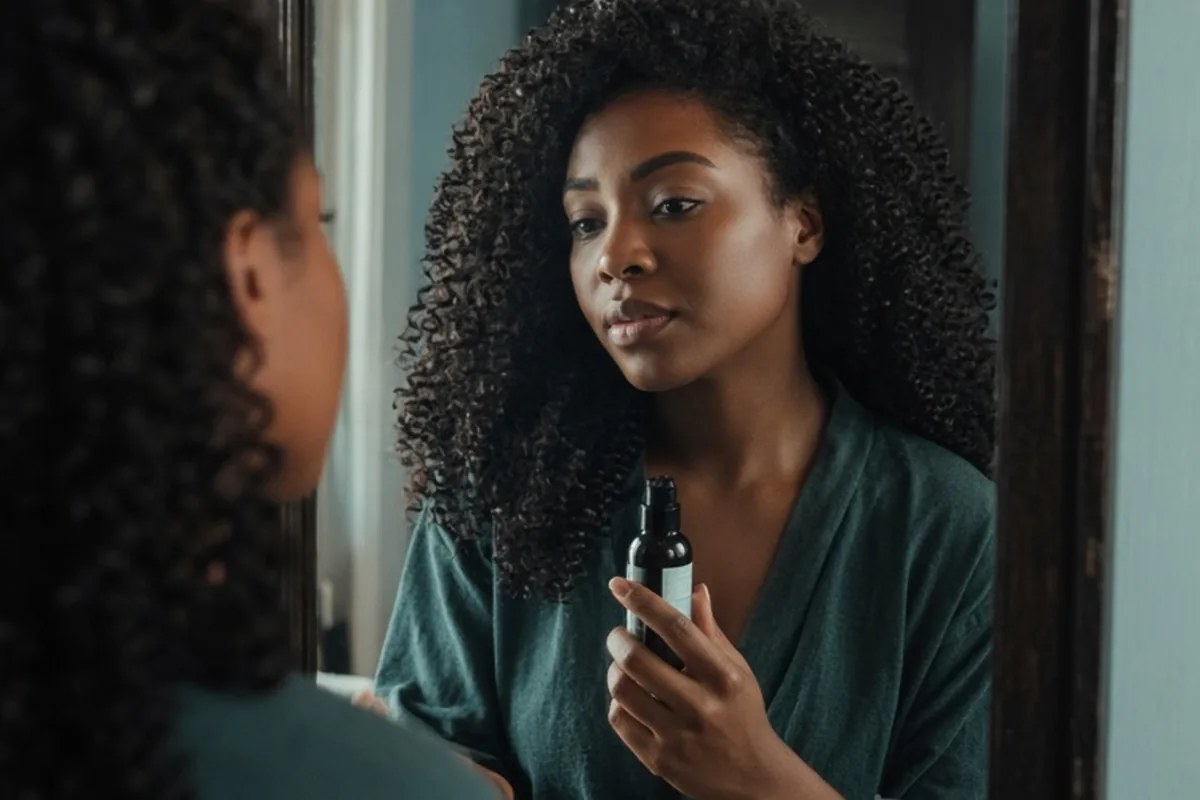
The most effective 4C hair care product ingredients focus on deep hydration, slip, and moisture retention. Prioritize film-forming humectants like aloe vera, flaxseed extract, and glycerin, paired with rich emollient butters such as raw shea and cupuacu. For sealing, look for dense plant oils like castor, jojoba, and avocado. Avoid drying short-chain alcohols, harsh clarifying sulfates in daily washes, and heavy non-soluble silicones if you do not use clarifying shampoos regularly.
Navigating product aisles for tightly coiled hair often means decoding complex ingredient lists where marketing claims on the front label do not match the botanical reality inside the bottle.
Evaluating Humectants and Water Attractors for 4C Strands
Hydration for tightly coiled 4C hair begins with water, but water evaporates rapidly without humectants that bind moisture directly to the hair shaft. Simple humectants like vegetable glycerin, propylene glycol, and sorbitol work by pulling ambient moisture from the surrounding environment into the strand. In moderate humidity, glycerin provides immediate softness and flexibility, allowing tight coils to expand without snapping under tension. However, in extremely dry climates or cold winter air, simple humectants can pull moisture out of the cortex if the air contains less water vapor than your hair, leading to unexpected dryness.
To prevent moisture loss regardless of climate, film-forming humectants offer a more stable alternative for dense 4C textures. Ingredients like aloe vera juice, flaxseed gel, marshmallow root extract, hydroxyethylcellulose, and slippery elm extract create a breathable, flexible barrier over the cuticle. These botanical extracts trap water molecules against the strand while providing natural lubricity, which drastically reduces friction during styling. When scanning a label, check whether film-forming botanicals appear in the first five ingredients, as this indicates a sufficiently high concentration to provide long-lasting hydration.
Selecting Plant Butters and Heavy Sealing Oils
Because the tight zig-zag or spiral pattern of 4C hair prevents natural scalp sebum from traveling down the length of the strand, external emollients and occlusive agents are necessary to prevent moisture from evaporating. Plant butters serve as foundational occlusives that coat the cuticle scales, smoothing their rough edges and locking in previously applied water-based leave-in conditioners. Raw shea butter remains a standard choice due to its high concentration of stearic and oleic fatty acids, which melt at body temperature and form a protective envelope around coarse strands.
For hair that feels weighed down or coated by unrefined shea, lighter yet deeply nourishing alternatives such as mango seed butter, murumuru butter, and cupuacu butter offer high water-absorption capacity without heavy residue. Pair these butters with penetrating and sealing plant oils. Pure castor oil, particularly black castor oil, contains ricinoleic acid and acts as a heavy barrier ideal for dry ends and protective styling. Meanwhile, avocado oil and extra virgin olive oil contain monounsaturated fatty acids capable of penetrating the outer layers of the hair fiber, providing internal pliability alongside external protection.
Conditioning Agents and Ingredients That Deliver High Slip
Mechanical manipulation during detangling is one of the leading causes of breakage in 4C hair. Tightly packed coils easily interlock, forming single-strand knots and fairy knots when moved dry or without adequate lubrication. Cationic surfactants and conditioning agents carry a positive electrical charge that binds directly to the negatively charged, damaged sites along the hair cuticle. Ingredients such as behentrimonium methosulfate, behentrimonium chloride, and cetrimonium chloride neutralize static friction, flatten raised cuticles, and allow wide-tooth combs or fingers to glide through dense tangles without ripping the hair fiber.
Fatty alcohols complement these cationic agents by providing rich, creamy viscosity and cosmetic slip. Look for cetyl alcohol, stearyl alcohol, cetearyl alcohol, and myristyl alcohol on deep conditioner and leave-in labels. Unlike drying short-chain alcohols, fatty alcohols are derived from natural oils and act as emollients that soften coarse strands. When combined with slippery botanical extracts like okra extract or pectin, high-slip formulations drastically shorten wash-day detangling sessions and preserve delicate ends from unnecessary shedding.
Balancing Protein and Hydrolyzed Keratin with Moisture
The fine structural diameter of many 4C strands makes them susceptible to structural weakness, particularly at the sharp bends of each coil. Protein treatments help reinforce these vulnerability points by temporarily filling in microscopic gaps along the cuticle layer. Hydrolyzed wheat protein, hydrolyzed silk, hydrolyzed baobab protein, and hydrolyzed keratin contain broken-down amino acid chains small enough to attach to the hair shaft. These proteins improve tensile strength, help the hair retain its natural curl pattern, and reduce breakage during washing and styling.
However, 4C hair requires careful calibration between protein and moisture to avoid protein overload. When hair receives excess protein without adequate softening emollients, the cuticle becomes excessively rigid, leading to a stiff, straw-like texture that snaps under slight tension. If your hair feels brittle, rough, or unyielding, pause all products containing keratin, collagen, or high concentrations of hydrolyzed amino acids, and focus exclusively on intensive, protein-free moisturizing masks until elasticity and softness return.
Gentle Surfactants vs Clarifying Scalp Cleansers for 4C Hair
Maintaining a clean scalp is critical for healthy hair growth, yet harsh cleansing agents can strip 4C coils of their delicate lipid barrier. Traditional clarifying shampoos frequently utilize harsh surfactants like sodium lauryl sulfate or ammonium lauryl sulfate, which completely degrease the strand and leave the cuticle rough and parched. For weekly or bi-weekly maintenance washes, gentler primary surfactants like cocamidopropyl betaine, sodium cocoyl isethionate, decyl glucoside, and disodium laureth sulfosuccinate remove surface dirt, sweat, and excess sebum without depleting internal moisture.
Despite the benefits of gentle cleansers, relying entirely on co-washing or sulfate-free formulas can lead to product buildup, especially when using heavy butters and dense oils. Over time, buildup coats the hair shaft and scalp, blocking hydration from penetrating. Incorporate a chelating or gentle clarifying wash containing sodium C14-16 olefin sulfonate once every three to four weeks. This removes stubborn mineral deposits and polymer buildup while leaving the hair receptive to fresh deep conditioning treatments.
Ingredients to Avoid or Use with Caution on 4C Textures
Certain cosmetic formulation ingredients create short-term cosmetic appeal while causing long-term dehydration and breakage on tightly coiled hair. Short-chain, volatile alcohols such as isopropyl alcohol, alcohol denat, ethanol, and propanol are commonly used in fast-drying sprays, gels, and foams. These agents evaporate rapidly and strip moisture directly from the hair cortex, leaving tight coils brittle and prone to split ends. Always check the first six ingredients of styling gels and setting lotions to confirm that any listed alcohol is a fatty, moisturizing alcohol rather than an evaporating solvent.
Non-water-soluble silicones, including dimethicone, amodimethicone, and cyclopentasiloxane, present another trade-off for 4C hair. While they provide exceptional heat protection and instant surface gloss, non-soluble silicones create a hydrophobic film that repels water. If you do not use an effective clarifying cleanser regularly, this coating prevents moisturizing leave-ins from reaching the inner strand, resulting in chronic dryness beneath a shiny exterior. If you prefer silicone-free routines or mild cleansing regimens, look for water-soluble alternatives like dimethicone copolyol or PEG-modified silicones that rinse clean with gentle surfactants.
How to Read 4C Product Labels and Layer Formulations
Cosmetic labeling laws require manufacturers to list ingredients in descending order of concentration until reaching the one percent threshold, after which ingredients can be listed in any order. For 4C hair, the first five ingredients on a moisturizing product should ideally consist of water (or aloe vera juice), fatty alcohols, humectants, and natural plant oils. If high-performing botanical extracts, butters, or hydrolyzed proteins appear after synthetic fragrances, preservatives, or colorants, their concentration is generally minimal and unlikely to deliver significant structural benefits.
Applying your products in the correct physical sequence ensures that each ingredient fulfills its intended function. The Liquid-Oil-Cream (LOC) or Liquid-Cream-Oil (LCO) layering methods remain practical frameworks for 4C strands. Start with a water-based liquid leave-in containing film-forming humectants to saturate the inner cortex. Follow with a rich emollient cream formulated with fatty alcohols and butters to soften the cuticle, and finish with a pure plant oil to seal the moisture inside. Pay close attention to your hair porosity: low-porosity coils typically respond best to the lighter LCO method to avoid greasy buildup, while high-porosity strands benefit from the heavier sealing power of the LOC sequence.
Frequently asked questions
What is the best daily moisturizer ingredient for 4C hair?
Water or aloe vera juice paired with vegetable glycerin or marshmallow root extract provides the most effective base for daily hydration. These ingredients supply essential moisture that penetrates the strand without creating heavy, greasy residue on your scalp or coils.
Can 4C hair use products containing silicones safely?
Yes, provided you use water-soluble silicones or wash periodically with a clarifying shampoo containing sulfates or olefin sulfonates. Non-soluble silicones can seal moisture in during heat styling, but they will eventually block hydration if allowed to build up without proper cleansing.
How do I know if my 4C hair needs protein or moisture?
Hair that feels mushy, overly soft, or stretches excessively without springing back typically needs a hydrolyzed protein treatment to restore tensile strength. In contrast, hair that feels rough, brittle, stiff, and snaps easily when bent requires deep moisturizing treatments packed with fatty alcohols and emollients.
Are sulfates always bad for 4C hair products?
Sulfates are not inherently harmful, but they should be used strategically rather than daily. A sulfate-based or clarifying shampoo is valuable once a month to remove stubborn butter, oil, and mineral buildup, while gentle sulfate-free cleansers work best for regular weekly maintenance.
Your next step
Audit your current leave-in conditioner and deep treatment labels today, checking the top five ingredients to verify that water, film-forming humectants, and fatty alcohols appear before heavy silicones and drying alcohols.