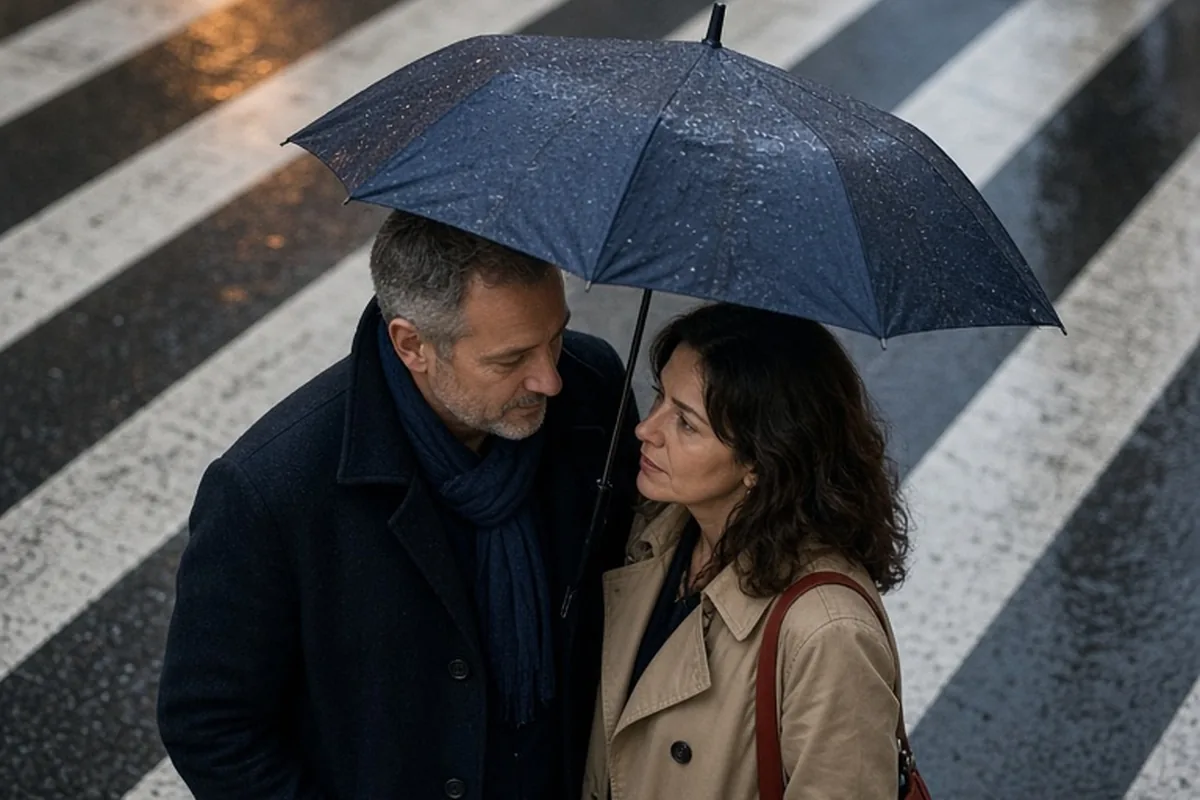
A widower is serious about your relationship when he actively integrates you into his daily life, introduces you openly to his family and friends, discusses his late spouse without drawing comparisons, and includes you in concrete plans for the future. True commitment shows when he treats your emotional well-being as a priority alongside his grief, rather than keeping your bond hidden.
Dating someone who has experienced the loss of a spouse brings unique dynamics to romance. While grief does not simply disappear, a partner who is genuinely ready for a long-term commitment will make deliberate room in his life and heart for a new connection to flourish.
He Clears Physical and Emotional Space for You
A clear indicator of a widower's long-term intentions is how he arranges his physical living environment and manages his personal routines. When someone is casual or still overwhelmed by unresolved grief, their home often remains an untouched shrine where a new partner feels like an intruder. In contrast, a man who is ready for a serious partnership willingly makes tangible room for your presence. This might look like clearing closet space, reorganizing shared living areas, or placing recent photos of the two of you alongside existing family memories. These actions demonstrate that he sees your presence not as a temporary visit, but as an enduring part of his life.
Emotional availability operates in much the same way. A serious partner maintains reliable communication, checks in consistently, and avoids pulling away without explanation when difficult emotions arise. For instance, rather than abruptly canceling plans near a difficult anniversary, he will communicate openly by saying that the day is challenging for him while reassuring you of his feelings. A natural limitation to remember is that adjusting physical spaces can take time and thoughtful conversation. Expecting an immediate overhaul of his household can create unnecessary friction, whereas steady, collaborative changes reflect healthy, lasting commitment.
He Integrates You into His Core Social Circle and Family
When a widower views a relationship as private or temporary, he tends to compartmentalize his life, keeping his dating partner separate from his lifelong friends, adult children, or former in-laws. A man who envisions a lasting future with you will do the opposite: he will proudly introduce you to the people who matter most to him. He makes it evident to his social network that you are his partner and that your presence is a meaningful, permanent chapter in his life rather than a brief diversion.
This social integration requires thoughtful pacing, particularly when children or extended family members are still processing their own grief. A serious widower will not rush introductions recklessly, but he will establish a clear, supportive framework for them. For example, he might organize a relaxed dinner with close friends or plan an informal afternoon outing with his family. The key balance here involves understanding that his loved ones may need time to adapt. A committed partner will stand by your side, protect your dignity during awkward moments, and make sure you never feel sidelined.
He Discusses His Past Without Comparing You to His Late Spouse
A healthy romantic connection with a widower does not require total silence about his past marriage. Loving someone who passed away is a natural part of his story, not an act of disloyalty toward you. The critical distinction lies in how he speaks about his history. A serious partner shares his memories with warmth and honesty, but he never uses his late wife as a standard of perfection against which your appearance, habits, or accomplishments are measured.
Instead, he celebrates your unique individuality, values, and perspectives. If a topic related to his past comes up naturally, he acknowledges your separate identity with respect. For example, he might say that while his late wife loved gardening, he genuinely enjoys learning about your passion for cooking. If subtle comparisons do occur, raising the issue gently allows a dedicated partner to listen with empathy, apologize, and adjust his behavior so that you always feel appreciated for who you are.
He Actively Plans for a Shared Future Together
Genuine commitment is defined by forward momentum and shared goals. When a widower is uncertain about where a relationship is heading, his plans remain vague, spontaneous, or strictly short-term. When he is serious, he talks comfortably about the months and years ahead. He regularly uses inclusive language when discussing upcoming holidays, career moves, travel destinations, and domestic arrangements, signaling that he views you as an essential part of his future.
His willingness to follow through with tangible actions reinforces these conversations. For instance, he will happily book a vacation several months in advance, coordinate major holiday schedules with your family, or initiate practical discussions about cohabitation or financial goals. While discussing the long-term future can occasionally stir up quiet reminders of past loss, a committed partner faces those feelings honestly rather than letting them stall your mutual progress.
He Protects Your Emotional Security and Holds Clear Boundaries
Dating a widower can occasionally bring up feelings of vulnerability or hesitation about where you stand. A partner who is deeply invested in your relationship understands these dynamics and takes active steps to reassure you. He does not dismiss your concerns as irrational or petty; instead, he offers clarity and sets healthy boundaries with outside voices, including extended family or friends who might struggle to see him moving forward.
For example, if an acquaintance makes an insensitive comment suggesting that no one could ever replace his late spouse, a serious partner will gently but firmly clarify that he is not replacing anyone, but rather building a new, dedicated love with you. Balancing this boundary-setting requires mutual patience. While you deserve full protection and respect as his partner, recognizing that friends and family may need time to adjust helps prevent unnecessary tension.
How to Foster Mutual Trust and Move Forward Together
Building a lasting partnership with a widower requires open dialogue, mutual respect, and clarity around personal needs. Taking regular moments to check in on how both of you are feeling about the relationship's pace keeps assumptions from turning into misunderstandings. Expressing your desires for security, shared traditions, and clear commitments is a healthy sign of self-respect, not pressure.
Avoid falling into the trap of competing with a memory or walking on eggshells around his past. Be direct about what helps you feel valued, whether that means creating brand-new routines for the holidays or agreeing on how personal spaces are decorated. When both people approach the bond with emotional honesty and realistic expectations, a rich, enduring partnership can thrive that honors the past while fully embracing the future.
Illustrative Scenarios
Navigating Milestone Dates with Direct Communication
Mark had been dating Elena for almost a year when the anniversary of his late wife's passing approached. Elena noticed Mark becoming quiet and withdrawn, leading her to worry that he was having second thoughts about their relationship. Instead of pulling away or letting resentment build, Elena asked him directly how he preferred to handle difficult calendar dates and explained that she wanted to support him without overstepping. Relieved by her openness, Mark explained his tradition of visiting a memorial park with his brother and invited Elena to join him for dinner afterward, reaffirming his deep commitment to their shared bond.
Key point: Addressing sensitive milestones with open curiosity prevents misunderstandings and creates deeper emotional trust.
Redefining a Shared Living Space with Mutual Respect
When Julian invited David to move into his home, David felt uncomfortable with the large number of untouched personal belongings from Julian's late husband throughout the house. David worried that speaking up would make him seem demanding or cold. After recognizing that silence was creating unnecessary tension, David gently shared that he needed their home to reflect their current life together. Julian appreciated the clarity, admitted he had not realized the impact, and suggested they spend a weekend choosing new decor for the common rooms while respectfully storing older mementos.
Key point: Expressing your practical needs clearly gives a committed partner the opportunity to actively make room for your shared life.
Frequently asked questions
How long should you date a widower before expecting serious commitment?
Emotional readiness depends on individual healing rather than a fixed calendar timeline. However, clear behavioral signs such as open communication, introducing you to family, and long-term planning generally emerge within six to twelve months of steady dating. If years pass without forward momentum or integration into his life, a direct conversation about your future is essential.
What should you do if a widower still keeps photos of his late wife in the home?
Keeping selected photos of a deceased spouse is a normal way to honor personal history. A partner who is serious about you will balance those mementos by displaying photos of you and your shared experiences together. If the volume of keepsakes feels overwhelming, discuss finding a thoughtful balance that honors his memories while ensuring the home feels welcoming to you.
How can you tell if a widower is truly ready for a relationship or just lonely?
A man seeking a distraction from loneliness often rushes physical intimacy, relies heavily on you for emotional caretaking, and avoids discussing the future. A widower who is genuinely ready takes time to understand your unique personality, respects your boundaries, and consistently invests in building an equitable, mutual partnership.
Is it normal to feel insecure when dating a widower?
Yes, feeling occasional uncertainty is very common when entering a relationship where the past ended through loss rather than incompatibility. Sharing these feelings openly allows your partner to provide reassurance. A serious widower will validate your feelings rather than dismissing them as jealousy.
Your next step
Choose one specific aspect of your relationship, such as holiday plans or personal space, and initiate a calm, honest conversation this week to ensure your long-term goals remain fully aligned.