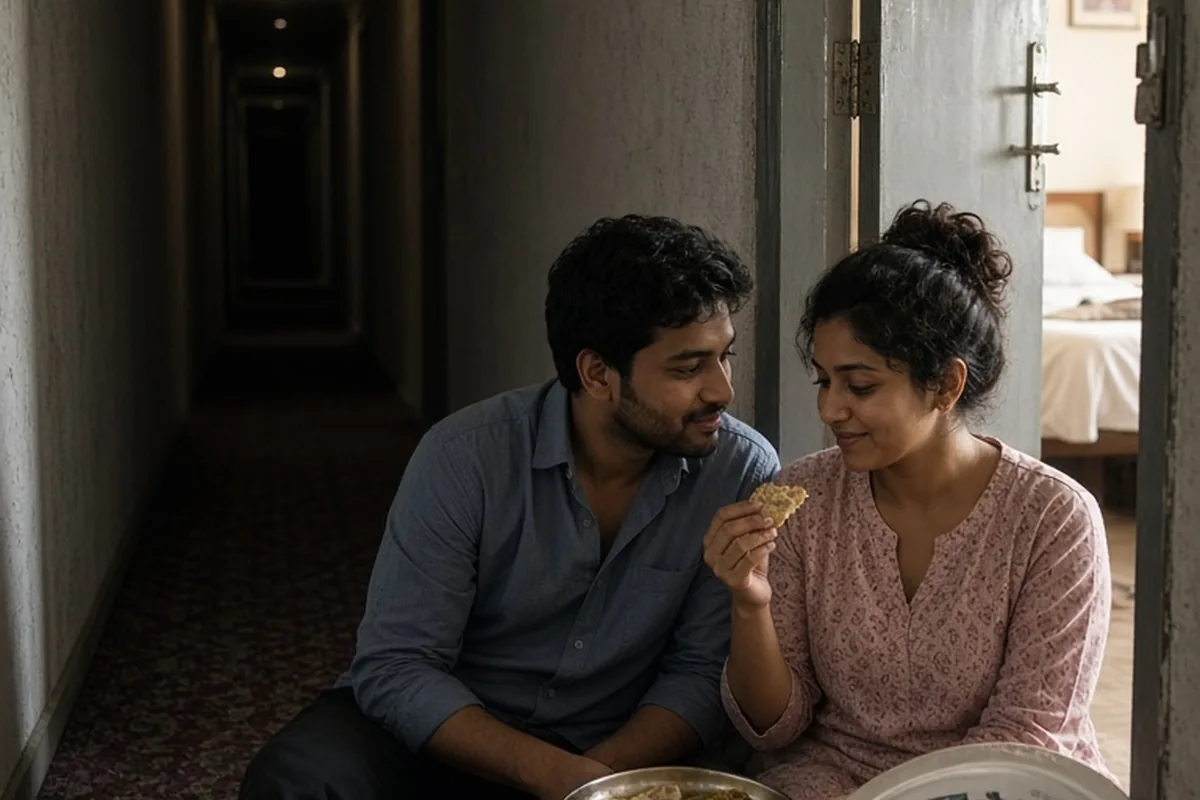
Indian couples often express affection through culturally rooted habits, such as sharing signature comfort food, developing subtle private signals in bustling multigenerational spaces, bonding over daily evening chai, and operating as a synchronized team during large family celebrations. These gestures combine protective attentiveness, playful banter across regional languages, and quiet ways to carve out romantic intimacy amidst rich community traditions.
Romance takes many different shapes across cultures, reflecting distinct social priorities, family structures, and everyday rhythms. In Indian relationships, affection is frequently woven into daily domestic routines, shared culinary customs, and the delicate art of balancing collective family obligations with romantic intimacy.
Feeding Each Other and Sharing Food as an Everyday Love Language
In Indian culture, food is far more than physical sustenance; it serves as a primary vehicle for hospitality, nurturing, and romantic devotion. For many Indian couples, showing care does not rely on grandiose declarations, but rather on saving the crispiest corner of a dosa, peeling fresh fruit for one another, or insisting that a partner takes the first or last bite of a favorite dish. Feeding each other by hand during casual meals or festive dinners remains an enduring, tender gesture that transcends formal etiquette.
This habit creates an intuitive, somatic rhythm of caretaking in daily life. For instance, after a long workday, one partner might automatically prepare a warm plate, custom-tailoring the spice level and condiments to the other's exact preference without being asked. While this level of attentiveness fosters deep warmth, couples should maintain clear communication around personal autonomy and dietary choices so that solicitous feeding remains an act of genuine affection rather than an unspoken obligation or controlling expectation.
Developing Secret Communication in Multigenerational Homes
Living in close proximity to extended family or within joint household structures often means that direct public displays of romantic affection are muted out of social deference. As a result, Indian couples frequently develop a sophisticated vocabulary of micro-interactions, subtle glances, and private code words to express intimacy right in the middle of a crowded living room. A gentle touch of hands while passing a serving bowl or a knowing smile across a busy dining table can convey profound closeness without causing discomfort to older relatives.
These covert signals turn ordinary domestic moments into shared romantic conspiracies. For example, a couple might invent an innocuous phrase that signals to one another that they need five quiet minutes together upstairs to decompress after an eventful family visit. The trade-off lies in ensuring that relying on private shorthand does not replace open, direct dialogue during one-on-one time, as healthy boundaries and emotional processing still require explicit verbal communication behind closed doors.
Carving Out Quiet Sanctuary Around the Daily Chai Routine
The ritual of making and drinking morning or late-afternoon tea serves as an essential anchor in many Indian households. Couples often treat this routine as a sacred decompression zone, stepping away from professional duties or household tasks to sit side by side on a balcony or kitchen stool with freshly brewed ginger or cardamom chai and a plate of biscuits. This predictable pause provides a structured moment to review the day, share casual gossip, or simply enjoy companionable silence.
The beauty of the chai ritual is its accessibility and reliability. One partner may take pride in mastering the exact ratio of milk, sugar, and spices that the other loves, transforming an inexpensive everyday beverage into an intentional gesture of service. However, couples can fall into the trap of using this casual routine to gloss over heavier relationship topics; while companionable tea breaks are excellent for light bonding, they should complement, rather than substitute for, deeper emotional conversations when issues arise.
Operating as a Coordinated Team During High-Energy Family Gatherings
Indian weddings, religious festivals, and extended family get-togethers are vibrant, high-energy events that involve extensive social interaction, complex etiquette, and substantial logistical effort. Indian couples frequently hone an unspoken tag-team dynamic during these celebrations, managing conversations with distant relatives, discreetly bringing each other water, and coordinating schedule departures with synchronized precision. Watching out for each other's social energy levels is a hallmark of mutual protection.
For instance, when one partner is cornered by an overbearing relative inquiring about career moves or family planning, the other will smoothly intervene with an urgent excuse to rescue them from the conversation. This collaborative mindset strengthens marital solidarity and builds trust in social settings. The challenge arises when one partner feels compelled to play the accommodating host at the expense of their own well-being; establishing shared pre-event expectations helps prevent either person from feeling abandoned amidst the social whirlwind.
Blending Regional Languages and Playful Cultural Nicknames
Multilingualism is a natural facet of Indian life, and couples frequently weave two or three languages into their everyday banter. Pet names often incorporate regional linguistic affectionate suffixes, culinary metaphors, or playful teasing rooted in cultural idioms. Switching effortlessly between English, Hindi, Tamil, Bengali, or other mother tongues allows couples to adjust the emotional register of a conversation instantly, shifting from serious logistical planning to lighthearted tenderness in a single sentence.
This linguistic playfulness adds layers of humor and cultural texture to the partnership. A couple might use a dramatic dialogue from a classic Bollywood or regional film to diffuse an argument, transforming potential tension into shared laughter. While shared cultural humor strengthens intimacy, partners should remain mindful of boundaries when teasing each other, ensuring that nicknames and jokes always uplift rather than unintentionally targeting vulnerabilities or cultural differences between their respective families.
Expressing Protective Attentiveness in Busy Public Environments
Navigating crowded train stations, bustling street markets, and chaotic urban traffic requires a keen awareness of one's surroundings, which frequently translates into intuitive physical protection between partners. Indian couples often display a subtle choreography in public: one partner stepping to the street-side of the pavement, holding hands tightly while crossing busy intersections, or shielding the other from physical jostling in densely packed crowds.
These physical gestures communicate emotional safety and mutual vigilance in everyday life. For example, during a monsoon downpour, one partner will maneuver an umbrella to keep the other completely dry, even if it means getting their own shoulder soaked. While these protective instincts are deeply endearing, it is beneficial for partners to balance instinctive chivalry with mutual respect for each other's individual competence and independence in public spaces.
Honoring Traditional Values While Designing Modern Romantic Space
Modern Indian couples often live at the intersection of rich cultural traditions and contemporary egalitarian ideals. A distinctive, endearing aspect of these relationships is how partners collaborate to respect cultural roots—such as participating in traditional rituals, touching elders' feet, or hosting festive meals—while actively co-creating their own private rules for modern romance, equal decision-making, and individual autonomy.
A couple might enthusiastically spend an entire weekend fulfilling ritual obligations at a temple or family prayer, followed immediately by a casual date night at a modern bistro where they discuss personal goals and split the bill. This flexibility demonstrates emotional maturity and shared adaptability. The potential friction point lies in managing external family pressures that conflict with private couple goals; maintaining united, compassionate boundaries as a pair protects both their relationship health and their family connections.
Frequently asked questions
Why do Indian couples often express affection through acts of service rather than verbal declarations?
In many Indian communities, cultural communication leans high-context, meaning care and devotion are traditionally demonstrated through concrete actions like cooking, hospitality, and practical support rather than constant verbal affirmations. While verbal affection is increasingly common among younger generations, acts of service remain an intuitive, foundational expression of love.
How do Indian couples maintain romantic privacy when living in a joint family structure?
Couples in joint families typically cultivate private intimacy through subtle nonverbal cues, shared evening walks, and intentional one-on-one rituals like late-night conversations or morning tea routines. They also benefit from setting gentle physical and temporal boundaries within the home to ensure dedicated personal time.
Are traditional food-sharing gestures like feeding by hand common in modern dating?
Yes, sharing food intimately remains a prevalent and culturally natural romantic habit across both traditional and modern dating in India. Whether dining at home or at a casual cafe, offering a partner the best bite or feeding a small portion by hand is widely seen as an affectionate, endearing sign of closeness.
Your next step
Choose one small, intentional daily ritual—such as a dedicated ten-minute tea break without screens or preparing a thoughtful snack for your partner—to nurture warmth and connection in your relationship today.