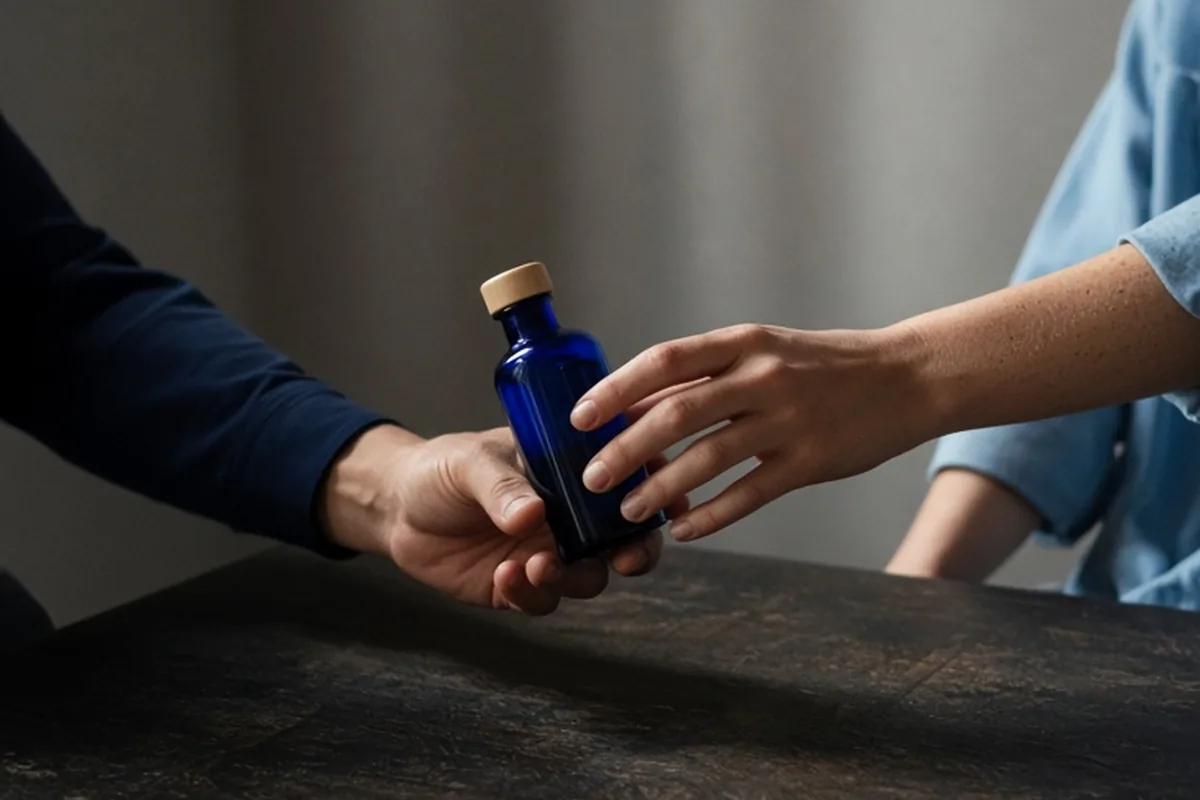
Sex after menopause often looks different due to natural hormonal shifts, but physical intimacy can remain deeply satisfying. Navigating changes like vaginal dryness, shifting libido, or slower arousal involves using quality lubricants, expanding your definition of pleasure beyond penetration, and communicating openly with your partner and healthcare providers to find what feels comfortable, pleasurable, and emotionally rewarding.
Menopause marks a significant physiological transition that reshapes how the body experiences sexual stimulation, yet it does not signal the end of a fulfilling sex life. Approaching this life stage requires letting go of outdated expectations, learning how changing hormones affect physical comfort, and adopting thoughtful strategies that prioritize mutual connection and genuine personal pleasure.
Understanding Physical and Hormonal Changes
The drop in estrogen and other hormones during and after menopause directly impacts the reproductive tract and overall physical response. Vaginal tissues naturally become thinner, less elastic, and produce less natural lubrication, a condition often described medically as genitourinary syndrome of menopause. Arousal may take longer to build, and the intensity or frequency of spontaneous physical desire can decrease. Experiencing these shifts is a common biological reaction, not a personal failing or a loss of attractiveness.
Recognizing these physiological changes helps decouple normal bodily processes from emotional self-worth. When a person realizes that dryness or discomfort stems from tissue changes rather than a lack of love or attraction toward their partner, the emotional burden lightens. Acknowledging that the body simply operates on a different rhythm allows you to adjust your sexual routines rather than abandoning intimacy out of frustration or distress.
Practical Solutions for Relieving Physical Discomfort
Physical discomfort or pain during intercourse, known as dyspareunia, is one of the most frequent reasons intimacy stalls after menopause. Addressing this issue requires consistent attention rather than quick fixes. Incorporating regular over-the-counter vaginal moisturizers provides ongoing hydration to the vaginal lining throughout the week, while dedicated lubricants should be used generously during any sexual activity to reduce friction and skin irritation.
Selecting the right products is essential for comfort. Water-based lubricants are easy to clean and gentle, though they may dry out quickly and require frequent reapplication. Silicone-based lubricants offer longer-lasting glide and do not absorb into the skin as fast, making them especially helpful for delicate tissues, though they require warm water and mild soap to wash away. Avoid formulas containing added fragrances, parabens, warming agents, or menthol, which can inflame sensitive postmenopausal tissue. If severe pain persists, consulting a physician about localized vaginal estrogen therapy or other prescription treatments can restore tissue thickness and elasticity safely.
Broadening Intimacy Beyond Intercourse
Many couples operate under the narrow assumption that penetrative sex is the primary or only valid expression of physical intimacy. When intercourse becomes uncomfortable, this rigid mindset often leads people to avoid physical closeness entirely to prevent sending misleading signals. Expanding your sexual repertoire to include outercourse, mutual masturbation, massage, and extended sensual touching relieves performance pressure and opens new avenues for pleasure.
Shifting the focus away from penetration allows both partners to explore sensitive erogenous zones that are not dependent on internal lubrication. For instance, gentle clitoral stimulation using body-safe vibrators, slow full-body massage with aromatic oils, or skin-to-skin cuddling can provide deep emotional bonding and physical satisfaction. This approach decouples pleasure from performance metrics, ensuring intimacy remains an inviting space rather than an obligation that causes anxiety.
Communicating Openly About Changing Needs and Desires
Silence around postmenopausal changes frequently creates misunderstandings, with one partner feeling inadequate or physically uncomfortable and the other feeling rejected or undesirable. Transparent communication bridges this gap by turning an individual physical struggle into a collaborative partnership goal. Speaking about bodily sensations plainly and without self-criticism sets the stage for mutual problem-solving.
When initiating these conversations, choose a relaxed moment outside the bedroom rather than in the middle of an intimate encounter. You might say, 'I love being close with you, but my body feels more sensitive now, and penetrative sex has become uncomfortable. I want to explore different ways we can enjoy each other without causing pain.' Framing the discussion around teamwork reassures your partner while establishing firm, healthy physical boundaries.
Managing Spontaneous Versus Responsive Desire
Spontaneous desire, the sudden urge to engage in sex out of nowhere, often diminishes naturally as hormone levels shift with age. In its place, responsive desire becomes the dominant pathway to arousal for many postmenopausal individuals. Responsive desire means that interest in sex emerges in response to pleasant stimulation, emotional connection, or a relaxing environment rather than appearing as an unprompted biological impulse.
Waiting around for a spontaneous wave of passion can result in months of unintentional abstinence. Instead, give yourself permission to engage in physical affection without expecting instant arousal. Setting a calming mood, eliminating daily distractions, and engaging in slow foreplay gives the nervous system time to transition into a receptive state. It is equally important to honor boundaries: if arousal does not develop during foreplay, it is entirely valid to stop without guilt or pressure.
Navigating Body Image and Self-Compassion
Menopause frequently coincides with changes in weight distribution, skin texture, and energy levels, which can challenge body confidence and self-esteem. Societal messages that equate sexual desirability exclusively with youth compound this vulnerability, causing some women to withdraw from physical touch. Cultivating self-compassion is a crucial component of maintaining an active, joyful intimate life.
Reframing how you view your body involves focusing on sensation and capability rather than appearance. Practicing mindful touch, wearing comfortable clothing that feels pleasant against the skin, and creating an ambient bedroom environment with soft lighting can reduce self-consciousness. When you feel physically at ease in your own space, it becomes much easier to welcome a partner's touch and remain present in the moment.
Knowing When to Seek Professional Support
While lifestyle adjustments and over-the-counter products solve many common postmenopausal challenges, persistent pain, unresolved emotional barriers, or complex medical conditions warrant specialized care. A gynecologist or menopause specialist can evaluate whether localized hormonal therapies, non-hormonal prescription options, or other medical interventions are appropriate for your specific health history.
Pelvic floor physical therapy is another highly effective resource for treating persistent discomfort. Involuntary muscle tension in the pelvic floor can develop as a protective response to previous pain, making penetration difficult even after lubrication issues are resolved. A specialized physical therapist can help release chronic tightness and restore muscle function. Similarly, a certified sex therapist or couples counselor can assist in dismantling communication barriers, managing desire discrepancies, and rebuilding emotional intimacy in a safe, structured setting.
Frequently asked questions
Is it normal to lose interest in sex after menopause?
Yes, a decline in spontaneous sexual interest is common due to hormonal changes, fatigue, or discomfort during intercourse. However, responsive desire often remains accessible, meaning interest can develop when physical and emotional conditions are supportive, relaxing, and pain-free.
What is the difference between vaginal moisturizers and lubricants?
Vaginal moisturizers are designed for regular use several times a week to maintain moisture and tissue elasticity throughout daily life. Lubricants are applied immediately before and during sexual activity to reduce friction and eliminate discomfort during touch or intercourse.
Can regular sexual activity help maintain vaginal health after menopause?
Regular sexual activity, whether through intercourse, masturbation, or gentle stimulation, encourages healthy blood flow to the pelvic region and helps maintain tissue flexibility. However, it should only be pursued when comfortable and desired, never pushed through pain or discomfort.
When should I see a doctor about painful intercourse after menopause?
You should consult a healthcare provider if over-the-counter moisturizers and lubricants do not relieve discomfort, or if you experience sharp pain, tearing sensations, or bleeding. A medical professional can identify underlying issues and recommend targeted, safe treatments tailored to your history.
Your next step
Take one concrete step today by purchasing a high-quality, unflavored silicone lubricant or booking a routine consultation with your gynecologist to discuss comfort strategies tailored to your body.