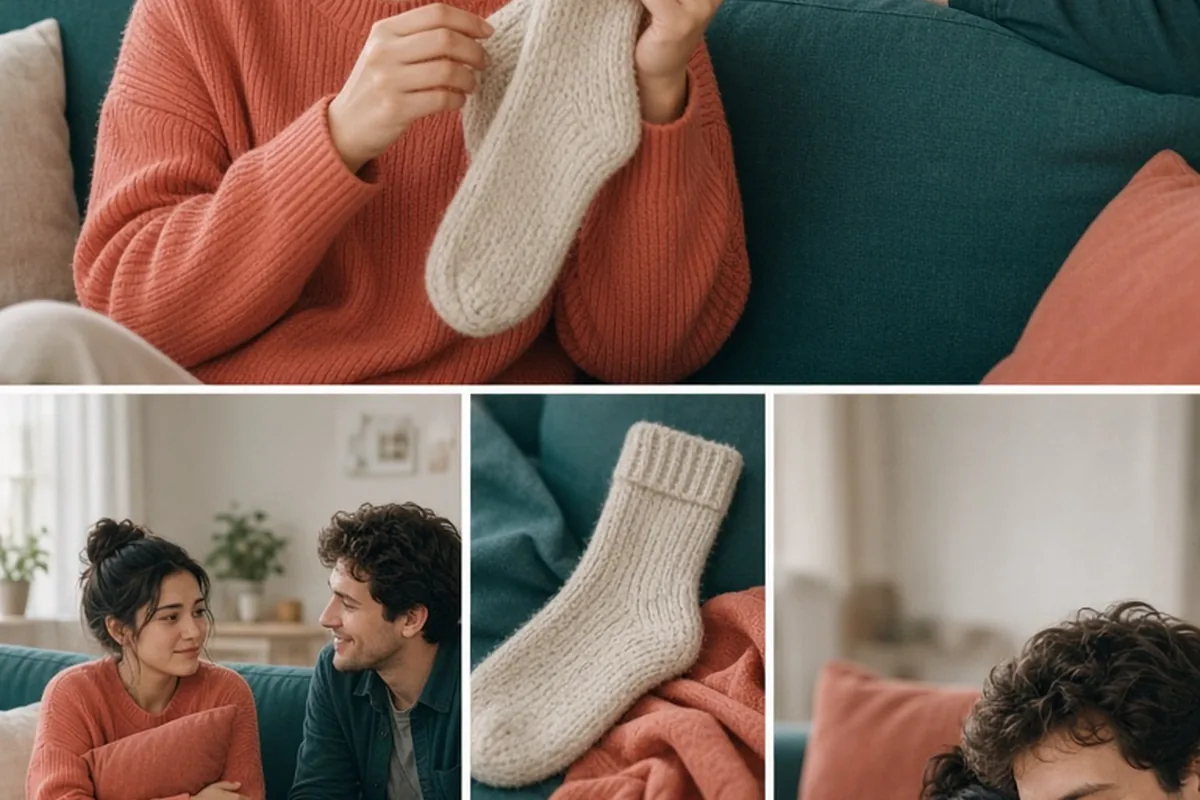
Playfully annoying your girlfriend works best when it builds affection, relies on mutual laughter, and respects clear personal boundaries. Harmless antics, like exaggerating a dramatic gasp over an everyday preference or stealing her cozy socks, bring levity only when both people feel secure. The moment teasing touches on real insecurities, stresses, or repeated requests to stop, it ceases to be fun and risks damaging trust.
Humor and playful friction are natural parts of many thriving relationships. Sharing private jokes and lighthearted teasing can create warmth, break daily monotony, and signal emotional closeness. However, knowing the difference between charming mischief and genuine aggravation is essential for keeping your connection strong.
Understanding the Difference Between Affectionate Teasing and Real Irritation
Playful teasing is fundamentally an invitation to shared laughter. When you playfully tease a partner, your underlying goal is connection and mutual amusement, not dominance, control, or passive-aggressive score-settling. In a healthy dynamic, both people feel secure enough to exchange silly remarks, exaggerated reactions, or gentle pokes at each other's harmless quirks. The humor lands well because both partners know without question that they are valued, admired, and safe with one another.
Real irritation happens when teasing turns one-sided or targets areas of genuine vulnerability. If a joke leaves one person feeling diminished, judged, or dismissed, it is no longer playful banter. Distinguishing between the two requires honest self-reflection about your intent and careful observation of your girlfriend's reaction. When humor makes someone feel smaller rather than closer, the dynamic shifts from affection to friction, which slowly chips away at emotional security over time.
Harmless and Lighthearted Ways to Bring Playful Energy Into Your Day
If you want to bring fun, silly energy into your relationship, focus on absurd situations, exaggerated enthusiasm, or harmless domestic routines rather than personal traits. Playful behavior works best when the subject matter has zero emotional weight. For example, playfully claiming that her favorite heated blanket now belongs to you, staging an overly dramatic debate about whether pineapple belongs on pizza, or delivering an earnest speech about why a specific grocery store brand of snacks reigns supreme all introduce levity without putting anyone on the defensive.
You can also use physical micro-moments of playfulness, provided they remain gentle and consensual. Lightly stealing her oversized hoodie and pretending it was always yours, offering a goofy high five after a simple household chore, or whispering an absurdly dramatic voice memo while sitting in the same room can break tension after a long workday. The key is making sure the joke centers on harmless absurdity where both of you end up smiling.
Everyday Habits That Unintentionally Drive Partners Up the Wall
Sometimes, men annoy their girlfriends without intending to do so at all. These unintentional friction points usually stem from daily habits, communication gaps, or thoughtless routines rather than malicious intent. Leaving half-empty cups around the living room, waiting until the last minute to decide on dinner plans after she has already asked three times, or giving vague answers about shared weekend schedules can turn into chronic sources of annoyance. While these behaviors might feel insignificant in isolation, their repetition conveys a lack of consideration.
Another frequent trigger is distracted listening. If your partner is sharing details about a challenging work encounter while you scroll through social media or glance at a television screen, she is likely to feel ignored. Acknowledging these blind spots allows you to fix unintentional irritants so that when you do engage in deliberate, playful banter, it comes across as joyful rather than an extension of ongoing household frustration.
How to Read Her Body Language and Verbal Cues Accurately
Tuning in to your partner's nonverbal reactions is the most reliable way to ensure banter remains fun. A genuine response to affectionate teasing typically involves relaxed posture, smiling eyes, reciprocal banter, or an amused roll of the eyes paired with physical warmth. If her tone is light and she plays along or playfully teases you back, the interaction is fulfilling its purpose of mutual connection.
Conversely, certain cues signal that it is time to drop the joke immediately. A sudden drop in vocal tone, tight lips, crossed arms with a step backward, or flat single-word responses mean she is not amused. If she sighs heavily or asks you to stop, continuing the joke under the guise of 'just having fun' invalidates her feelings. Recognizing these subtle shifts in real time prevents a minor moment of teasing from spiraling into an unnecessary argument.
Off-Limit Topics That Should Never Be Used for Teasing
Certain subjects are inherently vulnerable and should never be the punchline of a joke, regardless of how close you feel. Poking fun at physical appearance, body image, weight, eating habits, or deep-seated personal insecurities almost always creates emotional distance. Even if delivered with a smile, remarks about these sensitive topics tend to linger in a partner's mind, generating self-doubt and eroding foundational trust.
Similarly, avoid joking about career anxieties, family conflicts, past relationship trauma, or genuine relationship commitment. Teasing someone about whether you might break up, or making sarcastic comments about how much money they make, turns real-world stress into emotional weapons. Keeping these boundaries clear protects the psychological safety of your partnership, ensuring humor remains a source of comfort rather than anxiety.
Repairing the Moment Quickly When a Joke Falls Flat
Even with the best intentions, a joke can occasionally miss the mark or land at the wrong moment. Perhaps she had an exhausting day at work, received bad news, or simply does not have the energy for playful banter. When you realize a teasing comment caused annoyance or hurt feelings, the most constructive move is an immediate, straightforward ownership of the misstep without defensiveness.
Avoid dismissive responses like telling her she is being too sensitive or insisting you were only joking. Instead, validate her reaction directly with a calm, brief apology such as recognizing that the joke was poorly timed and dropping the subject. Shifting immediately into supportive mode demonstrates emotional maturity and reassures her that her comfort matters far more to you than getting a cheap laugh.
Illustrative Scenarios
Navigating Misread Timing After a Long Day
Marcus welcomed his girlfriend home by hiding around the hallway corner and playfully blocking the kitchen doorway with an exaggerated pose, hoping to make her laugh after a busy week. Instead of smiling, she stepped back, dropped her work bag with a sharp sigh, and told him she did not have the energy for games. Marcus initially felt stung and tempted to tell her to lighten up, but he paused to consider her exhausted body language. He immediately stepped aside, softened his tone, and apologized for misreading the moment, offering to take her coat and pour her a glass of water. His shift allowed her to unwind without feeling pressured to perform good humor.
Key point: Banter requires good timing; when your partner is depleted, prioritizing quiet support over humor prevents minor fatigue from turning into a conflict.
Establishing Safe Ground Rules for Sarcasm
Devon and his partner enjoyed trading sarcastic banter, but during a dinner with mutual friends, Devon made a sarcastic remark about her tendency to overpack for trips. While the table chuckled, his girlfriend went quiet and grew distant during the drive home. Instead of assuming everything was fine, Devon asked her directly about her mood. She shared that teasing her in front of an audience felt like public criticism rather than private affection. Devon validated her point without debating, acknowledged that social settings change the dynamic, and agreed that their playful jabs would remain strictly between the two of them in private.
Key point: Humor that feels safe in private can feel undermining in front of others; respecting relational boundaries keeps banter healthy.
Frequently asked questions
How do I know if my girlfriend is genuinely annoyed or just playfully annoyed?
Look at her overall demeanor and recovery time. Playful annoyance comes with relaxed body language, suppressed smiles, and continued engagement, whereas real irritation involves stiff posture, silence, or explicit verbal requests to stop.
What should I do if she asks me to stop teasing her?
Stop immediately without making a defensive excuse or calling her dramatic. Acknowledge her boundary with a brief, warm confirmation and change the subject to keep the atmosphere respectful.
Can playful teasing actually improve a romantic relationship?
Yes, when it is reciprocal and affectionate, lighthearted teasing fosters inside jokes and reinforces emotional intimacy. The benefit comes from shared laughter, not from making one person the butt of a joke.
Why do minor habits like unwashed dishes annoy my partner so much?
Small recurring habits often feel to a partner like a lack of consideration or an unequal division of mental load. Addressing those daily responsibilities directly reduces baseline stress and keeps your shared time enjoyable.
Your next step
Take a moment today to pay attention to your partner's current energy level before joking around, ensuring your humor always lifts her up rather than adding to her daily stress.