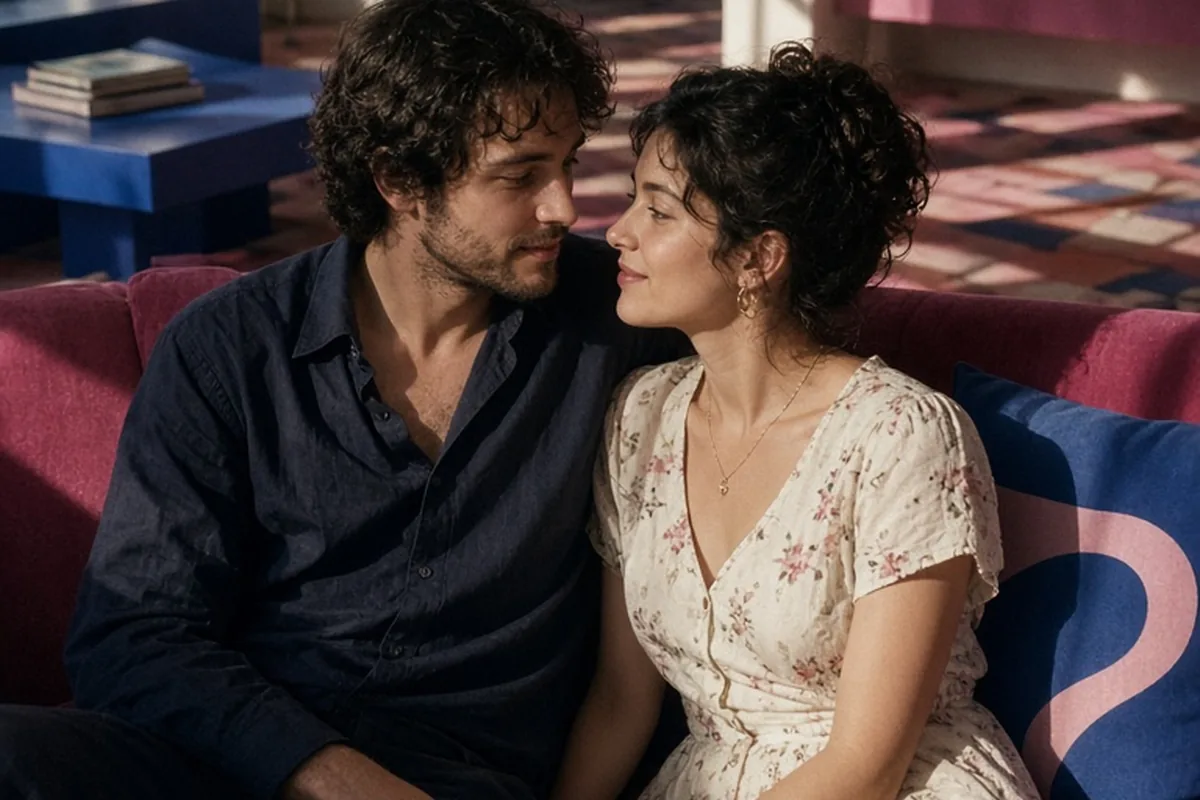
A courthouse wedding primarily requires paying mandatory local administrative fees, which include the marriage license, the civil ceremony officiant fee, and certified copies of the final certificate. Overall costs vary depending on discretionary choices such as attire, professional photography, flowers, rings, and a post-ceremony celebration. Planning involves confirming county clerk requirements, scheduling an appointment, gathering legal identification, securing required witnesses, and deciding on personal celebratory touches.
Opting for a civil ceremony at a city hall or municipal courthouse allows couples to focus on legal commitment and intimate connection without the prolonged logistics and substantial financial commitments often tied to traditional wedding productions.
Mandatory Courthouse Wedding Fees: Licenses, Officiants, and Records
The baseline financial obligation for any civil courthouse marriage consists exclusively of statutory local government fees. Because marriage regulations are established at the state, county, or municipal level in the United States, there is no single nationwide fee schedule. The first required expenditure is the marriage license application fee, which grants legal permission to wed within that jurisdiction. This fee is paid directly to the county clerk, city clerk, or probate court at the time of application and is generally non-refundable regardless of whether the ceremony takes place.
The second administrative cost is the civil ceremony fee, sometimes classified as an officiant or administrative docket fee. Depending on the venue, the officiant may be a judge, justice of the peace, magistrate, or designated court clerk. Certain jurisdictions bundle the ceremony fee into the initial application charge, while others bill it separately on the day of the hearing. Finally, couples should account for the cost of certified copies of the completed marriage certificate. While the officiant files the original document with the records office following the ceremony, physical certified copies needed for name changes, insurance enrollment, and banking updates are usually sold on a per-copy basis.
- Marriage license application charge assessed by the local county or city clerk
- Civil ceremony or judicial officiant fee for performing the vows
- Certified copy fees for official post-ceremony legal documentation
- Potential surcharges for weekend services, non-resident applications, or electronic filing
Navigating County Requirements, Waiting Periods, and Scheduling
Before setting a date, you must research the exact procedural rules enforced by the county clerk's office where you intend to apply. Many jurisdictions allow couples to obtain a license in any county within their home state, while others require that the ceremony take place in the exact county of issuance. Start by reviewing the clerk's official government portal to confirm whether applications are handled strictly by advance appointment, walk-in queues, or online pre-registration portals. Booking several weeks to a few months in advance is increasingly common in busy urban municipal buildings.
Pay careful attention to statutory timing constraints, notably mandatory waiting periods and license expiration windows. Several states impose a mandatory statutory waiting period between the issuance of the license and the moment the ceremony can legally occur, ranging anywhere from twenty-four hours to several days. Conversely, all marriage licenses carry an expiration timeframe, typically between thirty and ninety days. Missing these windows requires restarting the application process and paying the administrative fees a second time. Ensure both partners possess unexpired government photo identification, certified birth certificates if requested, and certified final divorce decrees or dissolution paperwork if either party was previously married.
Budgeting Optional Additions: Attire, Photography, Flowers, and Rings
While government filing fees represent the only strict requirement, most couples allocate funds toward discretionary elements that personalize the day. Photography is often the largest discretionary investment for a civil ceremony. Because courthouse proceedings move quickly, hiring a professional photographer who specializes in civil weddings ensures that arrival, ceremony vows, and post-ceremony portraiture around civic architecture are captured smoothly. Photographers frequently offer hourly packages tailored specifically for brief city hall ceremonies.
Attire for a courthouse wedding offers total creative flexibility, allowing couples to balance personal aesthetics with budget constraints. Outfits range from classic white suits, vintage cocktail dresses, and tailored separates to traditional formal gowns or casual contemporary pieces. Additional optional line items include a personal bouquet or boutonniere from a local florist, celebratory wedding bands, professional hair and makeup styling, and commemorative stationary or announcements mailed to extended family and friends.
- Hourly documentary or portrait photography coverage
- Ceremony attire, tailoring, and accessory selections
- Bridal bouquet, floral lapel arrangements, or hair flowers
- Wedding bands and personalized ring boxes
- Professional styling, hair, and makeup appointments
Managing Courthouse Guest Capacities and Witness Rules
One critical structural constraint of a courthouse wedding is space limitation inside municipal chambers. Courtrooms, judges' private offices, and clerk ceremony rooms are functional government workspaces with strict occupancy limits set by building safety codes. While some historic city halls maintain dedicated chapels or large ceremonial rooms capable of seating ten to twenty guests, many smaller municipal venues restrict attendance to just two to four people. Contact the clerk ahead of time to verify the exact maximum headcount, including children and your photographer.
You must also determine the statutory witness requirements for your jurisdiction. Some states require two adult witnesses over the age of eighteen to observe the ceremony and sign the marriage certificate, others require only one, and several states require no independent witnesses at all. If your venue has a strict two-guest cap and your state requires two witnesses, your guest list will naturally be limited to those designated signers unless the court provides staff witnesses upon request. Clarifying these rules early avoids uncomfortable logistical surprises on the day of the event.
Structuring Your Courthouse Wedding Day Timeline
A successful courthouse wedding relies on building a realistic timeline that accounts for municipal building logistics. Unlike private venues where schedules are tailored entirely around you, civil courts operate within public docket hours alongside everyday municipal business. Plan to arrive at least thirty to forty-five minutes before your scheduled appointment to clear building security checkpoints, locate the designated courtroom or clerk bureau, and check in with the administrative clerk.
Civil ceremonies are typically concise, generally lasting between five and fifteen minutes. Officiants guide couples through standardized vows, though many judges allow short personalized declarations or ring exchanges if requested in advance. Schedule your day in distinct segments: arrival and security processing, administrative check-in, the ceremony itself, signing the legal register, and dedicated portrait photography inside civic corridors or on exterior courthouse steps before transitioning to your reception plans.
Designing a Memorable Post-Ceremony Celebration
Because the ceremony itself is brief, planning an intentional post-courthouse gathering provides an opportunity to celebrate at a relaxed pace. Many couples arrange a private dining room reservation, a champagne brunch, or a multi-course dinner at a favorite local restaurant for their immediate guests. This eliminates the operational overhead of catering, venue rentals, and event staffing while delivering a high-quality culinary experience.
For couples who wish to involve a wider circle of friends and extended family without traditional wedding complexity, hosting a casual gathering later in the day is a popular choice. Options include reserving an outdoor park pavilion, booking a lounge space at a boutique hotel, organizing a backyard cocktail party, or hosting an open-house reception over the following weekend. The freedom to select your preferred celebratory format is one of the primary lifestyle advantages of a civil marriage.
Finalizing Name Changes and Post-Ceremony Legal Formalities
The legal process does not conclude the moment the vows are completed. The presiding officiant must complete their portion of the marriage license, gather required witness signatures, and return the executed document to the recording office within the statutory filing window, which commonly ranges from ten to thirty days. In some jurisdictions, couples are handed the completed paperwork to file directly at the clerk's service counter on the same day.
Once the municipality records the document, order several certified copies with the official seal or stamp. You will need these certified records to execute legal name changes with the Social Security Administration, state driver's license bureaus, passport agencies, financial institutions, and employer payroll and benefits departments. Photocopies are rarely accepted for initial identity modifications, making early acquisition of certified duplicates an essential administrative final step.
Frequently asked questions
Can we exchange personalized vows during a courthouse wedding?
Most civil officiants and judges accommodate brief personal vows or ring exchanges, but policies vary by courtroom. Inquire during your initial check-in or appointment booking to confirm how much time is allotted for the ceremony so you can plan accordingly.
What documents do we need to bring to our courthouse wedding?
Both partners typically must present valid government-issued photo identification, such as a passport or driver's license, alongside the issued marriage license. If either partner was previously married, certified proof of legal dissolution or a death certificate may also be required by the clerk.
Are professional photographers allowed inside the courthouse?
Many courthouses allow photography inside the ceremonial room and in public lobbies, but some government facilities prohibit cameras or flash equipment in security areas and active hallways. Always check building security regulations and the specific judge's chamber policies prior to your ceremony date.
How far in advance should we schedule a courthouse ceremony?
Lead times depend heavily on local population density and municipal staffing. Small town clerk offices may accept same-day walk-ins, whereas major metropolitan city halls often open calendar slots several weeks to three months in advance and fill up quickly.
Your next step
Visit your local county clerk's official government website today to verify specific document requirements, fee schedules, waiting periods, and appointment availability for your desired wedding date.