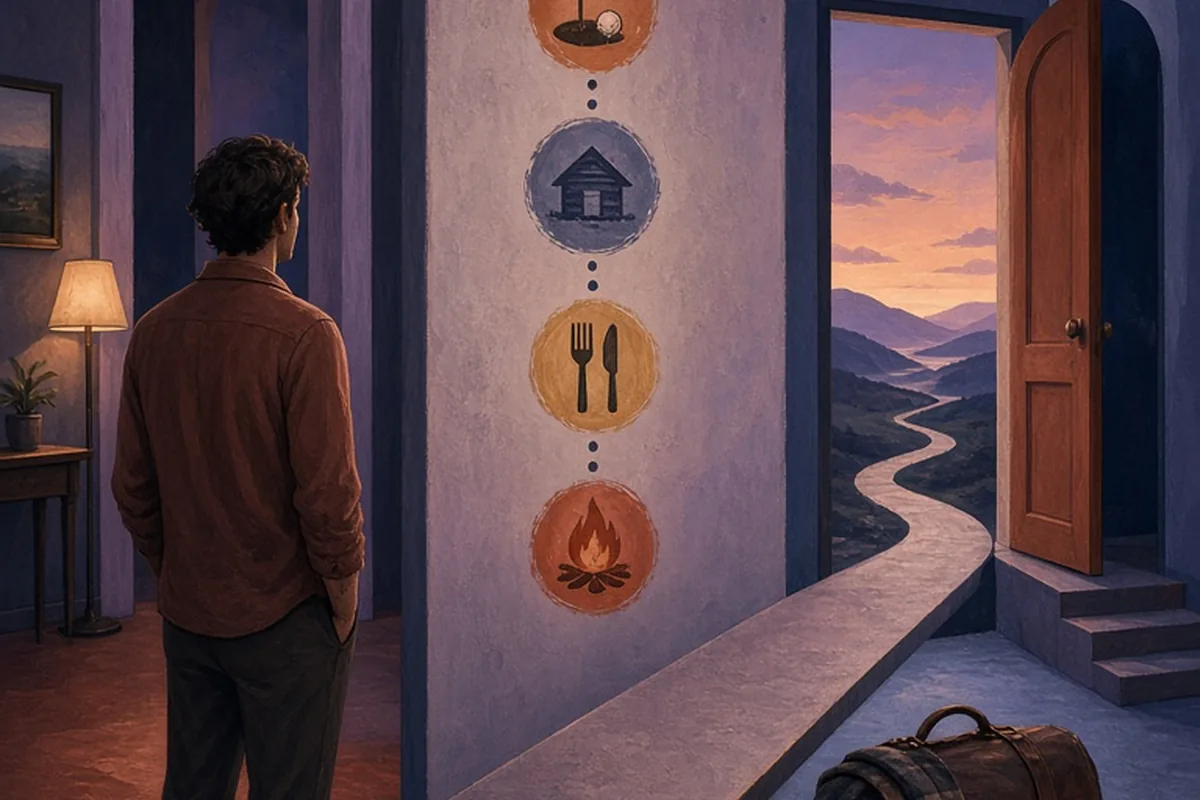
The best bachelor party ideas start with the groom’s actual taste, not a template. Pick one anchor activity, keep costs clear, protect sleep and safety, and build in downtime. A great weekend can be golf and tacos, a cabin with cards, a city food crawl, or one big adventure, as long as everyone knows the plan and no one is pressured.
A good plan makes the groom feel known and keeps the group from turning a celebration into a stressful obligation.
Start with the groom, not the legend
Before booking anything, ask what the groom would actually enjoy if no one were trying to impress him. Some men want a loud weekend; others want a low-key night with close friends, a great meal, and no surprise humiliation. The useful question is not “What do bachelor parties usually do?” but “What would make him feel celebrated instead of managed?”
A practical move is to offer three lanes: relaxed, active, and big-night-out. For example, relaxed might mean a rental house, steaks, and a poker table; active might mean a morning hike, afternoon brewery stop, and early dinner; big-night-out might mean a show, a nice bar, and a firm end time. Giving him a real choice preserves the surprise without gambling on the wrong vibe.
Choose one anchor activity and build around it
Most bachelor parties fail from over-scheduling, not lack of imagination. Pick one anchor activity that everyone can remember, then add one flexible block and one meal worth slowing down for. A boat afternoon, golf round, ballgame, whiskey tasting, comedy show, or guided fishing trip can carry the weekend if the rest stays simple.
The trade-off is that a single anchor may not thrill every guest, so make the surrounding time easy to join or skip. If the anchor is expensive, keep the next activity cheap, like tacos, a backyard game, or a walkable bar strip. If the anchor is physically demanding, plan a real recovery window so the night does not start with everyone already drained.
Match the idea to the group’s money and energy
Budget clarity is a respect issue, not a mood killer. Send a realistic range early, separate required costs from optional extras, and name what is included before anyone books travel. A $120 local night can be better than a $900 trip that quietly excludes the groom’s brother or closest friend.
Energy matters just as much. A group of night-shift workers, new dads, and out-of-town friends may not want a three-day marathon. Consider a strong one-day plan: afternoon activity, dinner, one toast, then optional late drinks. The limit is that shorter plans can feel less epic, so make the details count with a reserved table, a small gift, or a photo everyone actually gets.
Use themes and games without making it awkward
A theme works when it gives people an easy way to participate, not when it turns the groom into a prop. Think “favorite decade,” “camp weekend,” “sports rivalries,” or “steak and stories,” rather than costumes that demand attention from strangers. Keep games optional and short: a roast with kind rules, a trivia set about the couple, or a prediction card for the wedding day.
Avoid anything built on embarrassment, pressure, or testing loyalty. A good rule is that every joke should still feel fine if the partner, parents, or coworkers saw a clip later. The limit of themed planning is coordination; if guests need special gear or inside knowledge, many will opt out. Choose details that make arrival easier, not homework.
Plan nightlife with consent, safety, and an exit
If bars or clubs are part of the plan, decide the boundaries before the first round. Agree on transportation, a meeting point, a rough end time, and what is off-limits for the groom and guests. Keep interactions with performers, strangers, or partners respectful and consensual; no one should be pushed into a dare, a photo, or a situation they cannot leave.
A better night usually has a spine: dinner reservation, one planned stop, one open stop, then food and water before rides home. The trade-off is that structure can feel less spontaneous, but it prevents the classic failure where half the group disappears and the groom spends midnight looking for a charger. Put one sober-enough person in charge of logistics, not policing fun.
Handle mixed signals, partners, and invitations cleanly
Mixed signals often come from vague planning: the groom says “whatever,” the best man hears “surprise me,” and the partner hears “do not ask.” Solve it with a short check-in that names the real constraints: budget, dates, guest list, comfort level, and any hard no’s. If the couple has boundaries around clubs, travel, or photos, treat them as facts to plan around, not obstacles to sneak past.
Invitations need the same clarity. Tell people the cost range, arrival time, dress expectations, and whether plus-ones or friends outside the core group are included. The limit is that not everyone can be accommodated; trying to please every guest usually produces a bland plan. Prioritize the groom, communicate kindly, and let adults decline without guilt.
Make it memorable with meaning, not stunts
The moments people remember are usually specific and personal: a father’s toast, a friend flying in quietly, a playlist from college, a jersey signed by the group, or a final breakfast where everyone says one useful thing about marriage. Build one ritual into the schedule so the weekend has emotional weight beyond spending money.
Keep the ritual short enough that it does not become a performance. Ten minutes of stories after dinner can beat an elaborate scavenger hunt that no one wanted to finish. The trade-off is sincerity can feel risky to a group used to joking, so give people an easy prompt and let them pass. Meaning lands best when it is invited, not forced.
Illustrative Scenarios
Composite illustration: the late reply
A best man planning a lake weekend got silence from the groom after sending three options: cabin, casino, and city crawl. His first read was that the groom hated everything, so he almost booked the priciest trip to force excitement. Instead he asked one direct question: “If you could delete one thing, what would it be?” The groom admitted travel sounded exhausting and wanted one night near home. They chose a local ballgame, dinner, and a backyard fire.
Key point: A vague answer usually means a hidden constraint, so ask for the objection before spending money.
Composite illustration: the confusing invite list
In another composite scenario, a groom wanted his college friends and two coworkers at the same dinner, but the college group expected a wilder night. The planner worried a tame dinner would look cheap, while the groom worried the coworkers would feel trapped. The fix was a two-part plan: an early dinner open to everyone, then a clearly optional late bar for the smaller group. No one had to pretend, and the groom got both worlds without pressure.
Key point: Split the schedule when the guest list has different comfort levels instead of forcing one vibe.
Frequently asked questions
How far ahead should a bachelor party be planned?
For travel, aim for two to four months so flights and rooms stay reasonable. For a local night, three to six weeks is often enough. Send the date and cost range before locking details.
Who pays for the groom?
A common approach is for guests to split the groom’s share if budgets allow, but say it plainly before booking. If costs are tight, choose a plan where covering him is easy, not a surprise bill.
What if the groom says he does not want a party?
Believe him, then offer a smaller alternative such as dinner, a round of golf, or a weekend breakfast with close friends. Respecting the no can still include a meaningful toast or gift.
Are strippers or clubs required?
No. They are optional and should fit the groom’s comfort, the couple’s boundaries, and the group’s ability to stay respectful. Many strong parties skip nightlife entirely and still feel complete.
Your next step
This week, send the groom three concrete options with a cost range and one question: “Which one sounds most like you?”