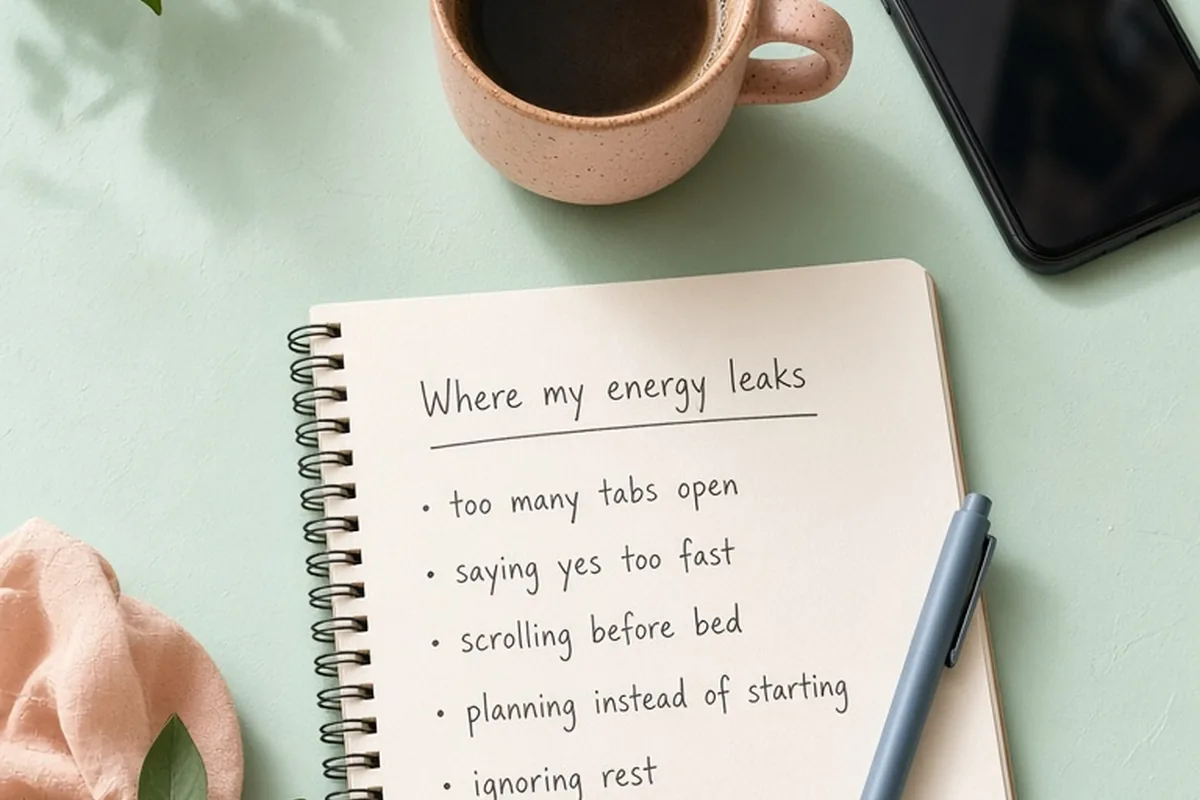
Bad habits to avoid are repetitive daily behaviors that quietly drain focus, physical energy, and emotional well-being over time. The most disruptive habits include chronic multitasking, reactive screen checking, overcommitting out of discomfort, delaying action through endless planning, ignoring basic rest signals, and all-or-nothing thinking. Replacing these patterns with deliberate micro-boundaries, single-tasking, and scheduled recovery helps protect personal momentum.
Most counterproductive patterns do not start with negative intentions. Instead, they begin as convenient coping strategies for boredom, fatigue, or workplace pressure. Over time, these automatic actions become standard operating routines that erode attention and peace of mind. Recognizing where daily routines leak energy allows you to make deliberate adjustments that support steady personal and professional growth.
Chronic Multitasking and Constant Context Switching
Attempting to juggle several demanding projects at the same time creates the illusion of speed while significantly increasing mental fatigue. When you bounce between writing a proposal, monitoring incoming chat messages, and scanning industry news, your brain is forced to pay a cognitive switching penalty on every transition. This divided attention dilutes work quality, increases the frequency of avoidable mistakes, and leaves you feeling mentally exhausted long before the workday concludes.
To break this pattern, shift toward disciplined single-tasking. Choose one high-priority assignment, close extraneous browser tabs, silence non-critical notifications, and set a dedicated work timer for twenty-five to forty minutes. For example, rather than keeping your email inbox open during strategic writing, draft your document offline and batch email responses into designated morning and afternoon windows. While this method may initially feel restrictive or quiet, it dramatically reduces internal friction and deepens the quality of your finished work.
Reactive Screen Checking and Bedtime Doomscrolling
Reaching for a smartphone within seconds of waking up or scrolling through news feeds late into the night trains your attention span to remain in a constant state of hyper-reactivity. Morning scrolling floods your mind with other people's emergencies, opinions, and demands before you have grounded your own thoughts. Late at night, the combination of blue light and stimulating information disrupts sleep quality and prevents natural mental wind-down.
A practical way to address this is establishing physical boundaries around your devices. Place your phone charger outside the bedroom or on a desk away from your nightstand, replacing bedtime screen time with a physical book, light stretching, or journaling. If you notice a daytime urge to check social platforms during brief moments of boredom, introduce an intentional delay: pause for thirty seconds, take a slow breath, and evaluate whether the action serves an immediate purpose.
Productive Procrastination Through Over-Planning
Productive procrastination occurs when you spend excessive energy organizing, color-coding, researching, and outlining tasks as a substitute for taking actual action. Because organizing looks and feels industrious, it effectively conceals the underlying discomfort or fear associated with beginning a difficult assignment. You might find yourself organizing digital folders or comparing five different task management tools instead of making the hard phone call or writing the opening paragraph of a major report.
To counter excessive preparation, adopt a minimum viable progress rule. Before beginning research, define the single concrete output needed for the day, such as drafting three hundred rough words or creating two draft presentation slides. Limit your preparatory phase to fifteen minutes with a strict cutoff. Acknowledge that the first draft or initial attempt will likely be unpolished, but concrete progress provides real feedback that planning alone cannot deliver.
Automatic People-Pleasing and Overcommitting
Saying yes immediately to every social invitation, workplace favor, or committee request often stems from a desire to be helpful or a fear of social friction. However, reflexively agreeing to requests without checking your actual capacity leads to overloaded schedules, poor follow-through, and suppressed resentment toward the very people you hoped to support. When your calendar is entirely dictated by external requests, your core goals and rest inevitably get crowded out.
Develop a standard buffer response to buy time before committing to new obligations. When asked to take on an extra project, practice saying, 'Let me review my existing commitments and get back to you by tomorrow morning.' This pause separates the emotional pressure of the moment from an objective assessment of your available time and energy. If you must decline, do so clearly and cordially without offering elaborate apologies or defensive explanations.
Emotional Reactivity in Daily Communication
Firing off an impulsive email or defensive text message in response to a perceived slight is a habit that quickly damages professional and personal relationships. When triggered by a critical comment or unexpected setback, the impulse to defend yourself immediately often escalates trivial misunderstandings into prolonged conflicts. This habit creates unnecessary stress cycles and requires significant energy to repair afterward.
Instituting a deliberate response gap is an effective remedy. When an incoming message generates irritation or anxiety, step away from the keyboard or screen for at least ten minutes before drafting a reply. Write a neutral response that focuses on facts and shared objectives rather than emotional reactions. For instance, replacing an accusatory phrase like 'You never clarified the deadline' with 'Let us clarify the revised delivery date so we stay aligned' shifts the conversation from blame to constructive resolution.
Ignoring Physical Recovery and Basic Needs
Treating physical well-being as a secondary priority by skipping meals, deferring hydration, sitting motionless for hours, and sacrificing sleep to gain extra working hours is a common recipe for gradual burnout. While pushing past physical fatigue may seem necessary during busy seasons, chronic neglect diminishes cognitive performance, emotional stability, and immune resilience over the long term.
Integrate non-negotiable physical micro-breaks into your daily schedule. Stand up and stretch for two minutes at the top of every hour, keep water readily visible on your desk, and treat your bedtime as a firm personal appointment rather than a flexible suggestion. Acknowledging your body's physical limits is not a sign of weakness; it is the fundamental baseline that makes consistent mental effort possible.
All-or-Nothing Thinking and Perfectionist Traps
All-or-nothing thinking turns minor setbacks into complete abandonment of healthy routines. For example, if you miss a planned morning workout or deviate from a nutrition plan at lunch, the perfectionist impulse suggests that the entire day is ruined, prompting you to abandon your intentions entirely until next Monday. This binary perspective ignores the cumulative value of partial, steady effort.
Cultivate a flexible mindset centered on the principle of never missing twice. If unexpected circumstances disrupt your plan, scale the activity down rather than canceling it completely. A ten-minute walk still maintains behavioral consistency when a full hour at the gym is impossible. Treating habits as an evolving practice rather than an unbroken streak builds long-term resilience and prevents temporary disruptions from becoming permanent derailments.
Frequently asked questions
How many bad habits should I try to change at once?
Focus on modifying only one or two habits at a time. Trying to overhaul your entire lifestyle simultaneously creates decision fatigue and often leads to abandoning the new routines when life becomes demanding.
Why is it more effective to replace a habit than simply stop doing it?
Habits usually fulfill a specific function, such as relieving stress or providing a brief mental break. Substituting an unhelpful action with a healthier alternative satisfies the underlying trigger without leaving a void that pulls you back into old behaviors.
What is the best way to handle a relapse into an old habit?
Treat a slip-up as neutral data rather than a personal failure. Identify the specific environment or stressor that triggered the behavior, adjust your surroundings to reduce friction, and resume your preferred routine at the very next opportunity.
How long does it take to permanently change a daily habit?
The timeline varies depending on the complexity of the habit, your daily stress levels, and the consistency of the new behavior. Rather than fixating on a specific number of days, prioritize repeating the replacement behavior consistently until it requires less conscious willpower.
Your next step
Choose a single unhelpful habit from your daily routine today, identify the environment or emotion that triggers it, and replace it with one small, constructive alternative for the next seven days.