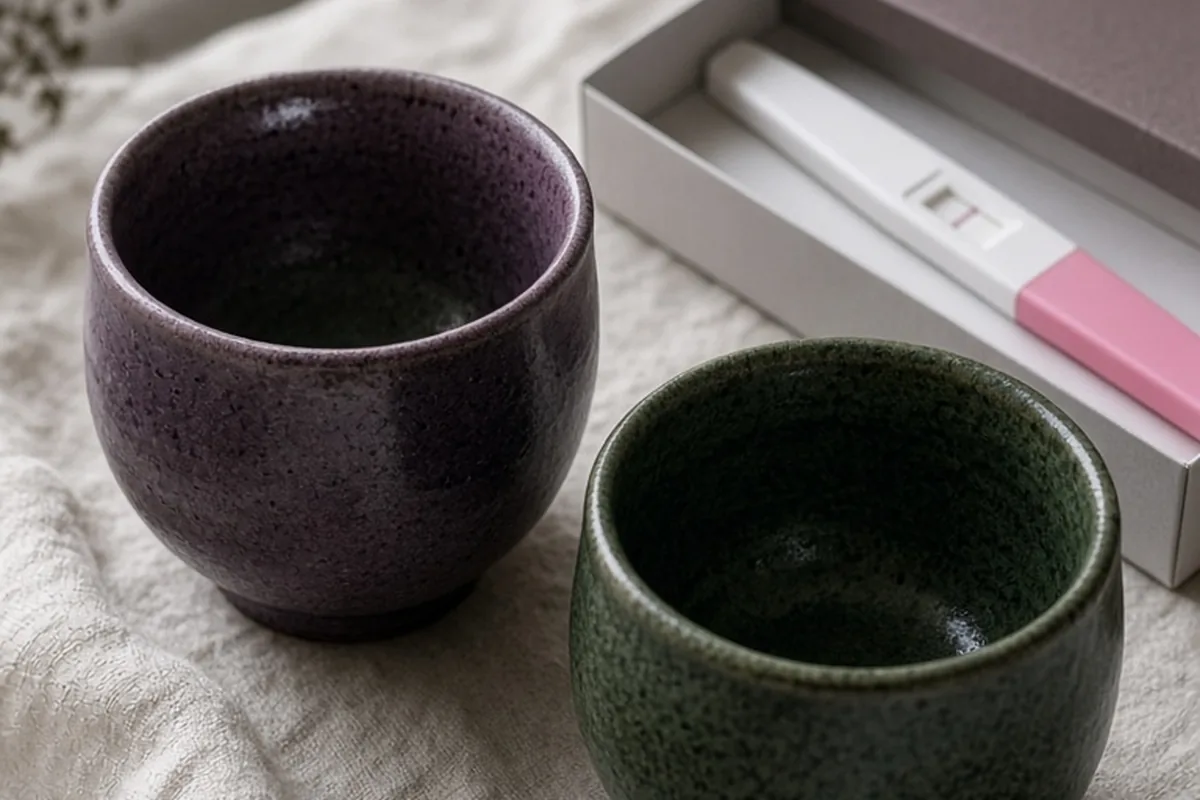
The best early detection pregnancy tests feature high analytical sensitivity, typically detecting human chorionic gonadotropin (hCG) at concentrations as low as 10 mIU/mL to 25 mIU/mL. Manual pink-dye stick tests and sensitive digital options from reputable brands offer the clearest early readings when taken four to six days before an expected period. However, testing on or after your missed period provides the highest accuracy and reduces faint-line confusion.
Navigating the days leading up to an expected period often brings intense anticipation, making early testing a practical tool for finding clarity. Choosing the most reliable test involves understanding how early pregnancy hormones develop, how different diagnostic formats interpret those subtle biochemical signals, and when your body produces enough hormone for a dependable reading.
Understanding Analytical Sensitivity and hCG Thresholds
At-home pregnancy tests function by detecting human chorionic gonadotropin, a glycoprotein hormone secreted by developing trophoblast cells following the successful implantation of a fertilized blastocyst. In clinical diagnostics, test sensitivity is quantified in milli-International Units per milliliter of urine (mIU/mL). A test with an analytical sensitivity rating of 10 mIU/mL can detect smaller concentrations of hormone than a test calibrated to 25 mIU/mL or 50 mIU/mL. Consequently, products labeled specifically for early detection are engineered with lower detection thresholds to capture the earliest metabolic traces of pregnancy.
Following implantation—which typically takes place between six and twelve days after ovulation—maternal serum and urinary hCG concentrations begin to rise, roughly doubling every forty-eight to seventy-two hours in a viable early pregnancy. Because baseline hormone levels start near zero prior to implantation, a test rated at 10 mIU/mL may show a faint positive result several days before a test requiring 25 mIU/mL registers any line at all. However, because individual implantation timing varies significantly across cycles, higher sensitivity does not guarantee a positive result if implantation occurred later in the luteal window.
While ultra-sensitive tests can detect early biological activity, they also present a practical trade-off. Testing several days before a missed period increases the likelihood of encountering an ambiguous, faint line that requires follow-up testing. Understanding the baseline sensitivity printed in the product insert helps you set realistic expectations for what the test strip can legitimately detect on any given day past ovulation.
Comparing Pink Dye, Blue Dye, and Digital Test Formats
The chemical indicator used in a manual test plays a substantial role in visual legibility. Pink-dye tests utilize colloidal gold or red latex conjugates that bond with hCG antibodies in the test zone. When urine flows across the nitrocellulose membrane, these particles create a crisp, distinct reddish-pink line. Pink dye is widely considered the practical standard for early detection because the human eye can readily distinguish fresh pink pigmentation from colorless moisture marks or backing material.
Blue-dye tests use blue chemical conjugates that are notoriously prone to creating evaporation lines or faint shadow marks in the capillary channel as the test dries. Even when completely negative, residual moisture can pool in the indentation groove of a blue-dye membrane, creating an optical illusion of a light blue vertical line. This tendency causes frequent false-positive interpretations among early testers who closely inspect strips in bright lighting.
Digital pregnancy tests eliminate visual ambiguity by using an internal optical sensor to measure the light absorbance across the test strip, converting the chemical reaction into explicit words such as 'Pregnant' or 'Not Pregnant.' While digital displays remove the guesswork of reading faint lines, they frequently require a slightly higher concentration of hCG (often 25 mIU/mL or higher) to trigger a positive digital readout. A manual pink-dye test might show a perceptible faint line on the same urine sample that produces a 'Not Pregnant' result on a digital screen.
Calculating Your Ideal Testing Window and Timing
Manufacturer claims advertising results 'six days before your missed period' are based on standard twenty-eight-day menstrual cycles with a fixed fourteen-day luteal phase. Under this standardized timeline, six days before a missed period corresponds to five days before the expected start of menstruation, or approximately nine days past ovulation (9 DPO). In real-world biological cycles, ovulation timing fluctuates from month to month, meaning calendar-based estimates may miscalculate true physiological progression.
If you track ovulation using basal body temperature charting or luteinizing hormone (LH) ovulation predictor kits, you can pinpoint your testing window with far greater precision. Testing earlier than 9 or 10 DPO rarely yields a true positive result because the blastocyst has often not yet completed implantation or produced measurable urinary hCG. Waiting until 12 to 14 DPO significantly improves test reliability, as maternal hormone levels are generally well above the 25 mIU/mL threshold across the majority of viable pregnancies.
Urine concentration directly impacts early test accuracy. During early gestation, maternal kidneys clear modest amounts of hCG into the bladder overnight. Testing with first-morning urine ensures the highest possible concentration of hormone. If you choose to test later in the day, maintaining a three- to four-hour fluid hold without excessive water consumption prevents dilution of the urine specimen.
Selecting Between Midstream Sticks, Dip Strips, and Cassettes
At-home pregnancy tests are manufactured in three primary physical configurations: midstream plastic sticks, bulk dip strips, and dropper cassettes. Midstream sticks feature a plastic housing with an absorbent sampling tip that can be held directly in the urine stream for five to ten seconds. This format provides maximum ergonomic convenience and minimizes handling, making it a popular choice for single-use confirmation, though it carries a higher cost per unit.
Bulk dip strips, commonly sold in multi-packs, consist of exposed paper-and-membrane strips without outer plastic casings. To use them, you collect urine in a clean disposable cup and submerge the strip to the marked indicator line for five to fifteen seconds. These strips use identical diagnostic antibodies to branded midstream sticks but cost a fraction of the price, making them the most cost-effective choice for individuals who prefer testing daily across consecutive cycle days.
Cassette tests require collecting a urine sample and using an included plastic pipette to transfer a precise number of drops (typically three to five) into a small sample well. This method prevents over-saturation or flooding of the membrane, which can occasionally distort control lines on midstream sticks. Cassette formats are standard in clinical environments and provide a dependable middle ground for controlled home testing.
- Midstream Sticks: Direct-stream sampling, ergonomic plastic casing, convenient for single tests, higher per-unit cost.
- Dip Strips: Multi-pack affordability, ideal for cycle-by-cycle testing progressions, requires a separate collection cup.
- Dropper Cassettes: Precise specimen volume control, reduced risk of membrane flooding, requires measured pipetting.
Recognizing Evaporation Lines and Minimizing Diagnostic Errors
Interpreting home pregnancy tests requires strict adherence to the manufacturer's designated reading timeframe, which typically spans three to ten minutes. An evaporation line is a faint, colorless, or grayish mark that develops as urine evaporates from the test window after the active processing period has passed. When a test strip dries, the chemical reagents and physical debossing on the membrane can become visible, leading to mistaken assumptions of an early positive result.
True positive results display visible pigment matching the dye type—pink or blue—and appear while the membrane is still actively moist within the stated window. To avoid misinterpretation, discard used test sticks immediately after the maximum reading window closes. Taking photographs of dried tests or manipulating digital contrast levels often highlights inactive reagent lines rather than true hormone bonding.
External factors can also influence test clarity. Recent administration of fertility medications containing hCG (such as ovulatory trigger shots) can remain in the maternal bloodstream and urine for up to ten to fourteen days, generating false-positive readings. Conversely, drinking substantial volumes of water before testing can dilute urinary hCG below the detection threshold, producing a false-negative result even when conception has taken place.
Designing a Cost-Effective and Low-Stress Testing Strategy
Approaching early pregnancy testing with a structured method reduces both emotional stress and unnecessary financial expenditure. Purchasing expensive digital multi-packs for testing multiple times per day during the early luteal phase can quickly become costly and lead to frustration when low baseline hormone levels yield inconclusive results. A balanced two-stage approach provides clear diagnostic tracking while keeping costs manageable.
For daily monitoring starting around 10 DPO, high-sensitivity pink-dye bulk strips serve as a practical initial screening tool. If a faint line emerges on a dip strip, you can confirm the result using a midstream pink-dye stick or a digital test on a fresh first-morning urine sample. This tiered testing progression reserves premium digital tests for confirming an existing visual line rather than searching for microscopic early signals.
When faced with an ambiguous or very faint line, the most reliable course of action is patience rather than repeated testing on the same afternoon. Because hCG concentrations take approximately forty-eight hours to double in early pregnancy, testing every two days using first-morning urine provides a stark visual contrast in line darkness, removing ambiguity and confirming clinical progression.
Frequently asked questions
How early can an ultra-sensitive pregnancy test detect hCG?
Ultra-sensitive pregnancy tests calibrated to 10 mIU/mL can detect hCG as early as eight to ten days past ovulation, which is about four to five days before an expected period. However, because implantation timing varies from person to person, testing this early carries a higher rate of false-negative results.
Why might a pink-dye manual test show a line while a digital test shows negative?
Manual pink-dye tests often detect lower hCG concentrations (10 to 15 mIU/mL) and can visually show subtle pigment changes. Digital tests generally require higher hormone thresholds (typically 25 mIU/mL or above) for their internal optical sensors to trigger a positive reading.
Can drinking excess water cause a false-negative result on an early test?
Yes, excessive fluid intake dilutes your urine and lowers the concentration of hCG per milliliter. In early pregnancy, when hormone levels are already near the test's baseline threshold, diluted urine can easily cause a test to read negative.
How can you tell the difference between a faint positive line and an evaporation line?
A true faint positive has distinct color (such as pink) and appears within the manufacturer's recommended time window, usually three to five minutes. An evaporation line appears after the test dries, is typically gray or colorless, and represents a moisture mark rather than hormone detection.
Your next step
Select a high-sensitivity pink-dye test for use with concentrated first-morning urine, and verify any faint or ambiguous lines by retesting forty-eight hours later to observe clear hormone doubling.