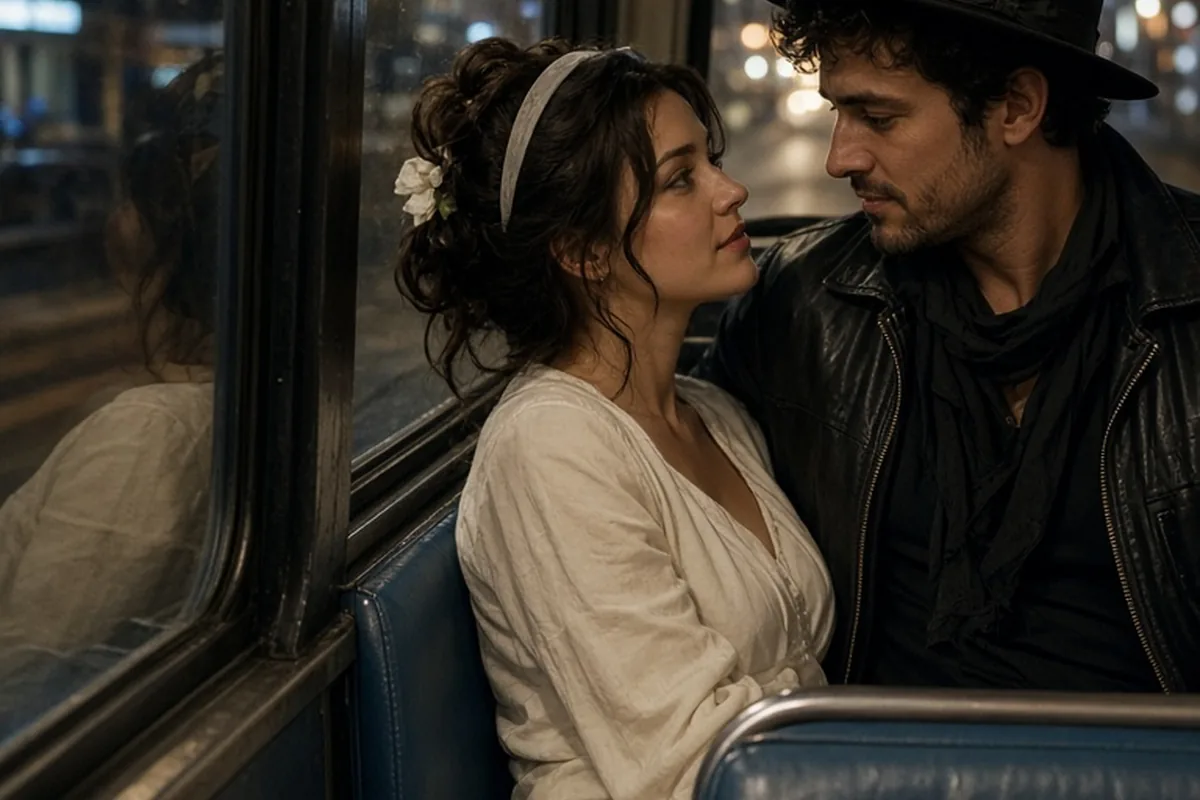
The best Halloween couples costume balances shared enthusiasm, physical comfort, and an unmistakable connection that both partners enjoy wearing. Rather than forcing a high-maintenance trend, the strongest pairings highlight your natural relationship dynamic—such as classic cinematic duos, witty pop-culture contrasts, or understated coordinated staples—while keeping mobility, weather, and venue practicalities in mind for the entire night.
Coordinating an outfit with your partner should feel like a shared game rather than an administrative chore, yet divergent tastes and differing energy levels often complicate the planning process.
Aligning on Shared Energy, Budget, and Effort Levels
A successful couples costume begins long before any fabric is cut or purchased. Conflict frequently arises when one person envisions an elaborate, hand-stitched ensemble while the other simply wants to wear jeans and an accent piece. Before browsing mood boards or adding items to an online cart, sit down for five minutes to establish what each of you genuinely wants out of the experience. Discuss how much money you feel comfortable spending, how many hours you are willing to dedicate to preparation, and what your physical tolerance is for heavy layers, prosthetics, or elaborate wigs.
Establishing these ground rules prevents unspoken expectations from turning into frustration during party preparation. If one partner has a busy workweek leading up to the holiday, an intricate DIY project may induce unnecessary stress. Agreeing on a tier of effort—whether high-craft, off-the-rack convenience, or a casual closet pull—ensures that both participants feel respected and comfortable from the outset.
Classic Pop-Culture and Movie Duos with Instant Recognition
Cinematic and television pairings remain evergreen because they rely on established visual shorthand that party guests immediately understand. Iconic pairs such as Morticia and Gomez Addams, Dana Scully and Fox Mulder, or Mia Wallace and Vincent Vega work exceptionally well because their aesthetics are defined by distinct silhouettes, recognizable color schemes, and specific accessories rather than obscure references. When you step into a crowded room, you avoid having to repeatedly explain who you are supposed to be, allowing you to relax into the social setting.
To elevate these classic pairings beyond generic party-store bags, focus on sourcing real clothing items from thrift stores or vintage sellers that can be reworn after October. A well-tailored pinstripe suit or an oversized trench coat looks far more convincing than unlined synthetic garments and provides better breathability throughout the evening. The main trade-off with famous characters is managing signature props; carrying around a briefcase, faux weapon, or heavy prop camera all night can quickly become inconvenient in crowded venues.
Low-Effort, High-Impact Looks from Existing Wardrobes
You do not need to spend significant money or undertake complex crafting to create a memorable pairing. Closet-first concepts take versatile staples you already own—such as leather jackets, flannel shirts, or tailored black suits—and transform them into a cohesive narrative through one or two deliberate accessories. For example, pairing dark suits with dark sunglasses and earpieces instantly creates a sleek secret agent or bodyguard duo, while denim overalls, plaid shirts, and straw hats form a timeless farmer or scarecrow pairing.
Another accessible approach is the tourist duo, which requires only floral shirts, zinc-striped noses, sun hats, and vintage cameras. The primary benefit of these everyday-garment concepts is absolute physical comfort; you already know how your clothes fit and breathe, which eliminates the risk of chafing or overheating. The primary challenge is ensuring the concept reads as an intentional costume rather than casual street clothes, which requires crisp, exaggerated accessory choices like matching lanyards, thematic name tags, or coordinated color palettes.
Pun-Driven and Concept Pairings for Humor Without Clutter
Conceptual and pun-based costumes offer an engaging alternative to narrative characters, letting couples showcase wit and shared humor. Ideas like a ceiling fan pairing (pom-poms paired with a shirt that reads 'Go Ceiling'), a spice duo (one dressed in all red for cayenne, one in white for salt), or social puns like 'party animals' (formal cocktail attire paired with animal ears and subtle face paint) consistently spark smiles without demanding theatrical impersonation.
The secret to a successful pun costume is keeping the execution visually clean and mobile. Avoid constructing bulky sandwich boards, oversized cardboard cutouts, or fragile attachments that make navigating doorways, sitting down, or ordering drinks impossible. Choose wearable representations of the joke, such as custom-printed graphic tees, thoughtful color blocking, or lightweight headbands, ensuring the humor enhances your evening rather than hindering your movement.
Atmospheric and Spooky Traditional Pairings
For couples who love traditional Halloween ambiance, leaning into gothic romance or classic folklore offers unmatched creative freedom. Pairings such as Victorian vampires, haunted antique dolls, ghost ship captains, or woodland cryptids celebrate the eerie roots of the holiday without being bound to specific intellectual property guidelines. You can interpret these archetypes through dark lace, rich velvets, antiqued jewelry, and moody cosmetics tailored precisely to your personal aesthetic.
Because these looks rely heavily on texture and mood, they reward attention to styling details like dramatic collars, vintage capes, or subtle aging effects on fabric. However, pay close attention to practical makeup wear. Theatrical face paints, thick latex prosthetics, and fake blood can melt in warm indoor venues, smudge onto coats, or stain upholstery. Opt for setting sprays, transfer-resistant makeup, and breathable fabrics so your atmospheric look stays intact from arrival to the trip home.
Managing Party Logistics, Weather, and Wardrobe Comfort
An ambitious costume idea quickly loses its appeal if it clashes with the environment where you will spend the night. Autumn weather is famously unpredictable, meaning an outdoor block party requires substantially more thermal insulation than a crowded, heated apartment gathering. Before finalizing your concept, evaluate whether your garments accommodate base layers or if you can integrate weather-appropriate outerwear into the design itself, such as choosing characters who wear heavy duster coats, trench jackets, or tailored blazers.
Footwear is another critical logistics factor that couples frequently overlook during the excitement of planning. Wearing unsupportive dress shoes, towering platforms, or stiff novelty boots for hours of standing and walking can cut an otherwise enjoyable evening short. Prioritize broken-in shoes that align with the costume's general color scheme, or incorporate custom insoles to maintain comfort across varying venues and terrain.
Handling Asymmetrical Enthusiasm and Costume Compromises
It is entirely normal for one partner to adore dressing up while the other feels indifferent, self-conscious, or resistant to attention. Pressuring an unenthusiastic partner into wearing an elaborate, restrictive outfit almost always leads to tension and discomfort on the night of the event. A thoughtful partnership respects personal boundaries and designs a complementary dynamic that honors both comfort zones without judgment.
To navigate mismatched enthusiasm, consider asymmetrical concepts where one person wears the focal centerpiece while the other wears an understated support role. Classic examples include a botanist paired with a floral creature, an art collector paired with a living painting, or a magician accompanied by a casual assistant. This structure allows the enthusiastic partner to indulge their creativity while granting the low-key partner a comfortable, low-pressure outfit that still supports the shared theme.
Frequently asked questions
How do we choose a couples costume if we have completely different styles?
Focus on broad thematic concepts rather than identical garments. For instance, you can choose a unified color palette or a complementary dynamic—like rockstar and fan—where each person styles their individual look using their preferred silhouette and comfort level.
What makes a couples costume recognizable without being expensive?
Instant recognition relies on iconic visual markers, such as specific color combinations, signature hairstyles, or distinct handheld accessories. Sourcing basic garments from your closet and adding one unmistakable focal piece is usually far more effective and affordable than buying a prepackaged outfit.
How far in advance should a couple plan their Halloween costumes?
Starting three to four weeks before Halloween provides ample time to brainstorm, order any specialized accessories, and assemble pieces from your closet without last-minute shipping stress. It also allows time for a brief try-on session to ensure everything fits comfortably.
Your next step
Take ten minutes tonight to list three media favorites or humorous ideas you both enjoy, then pick the concept that requires the least stressful preparation.