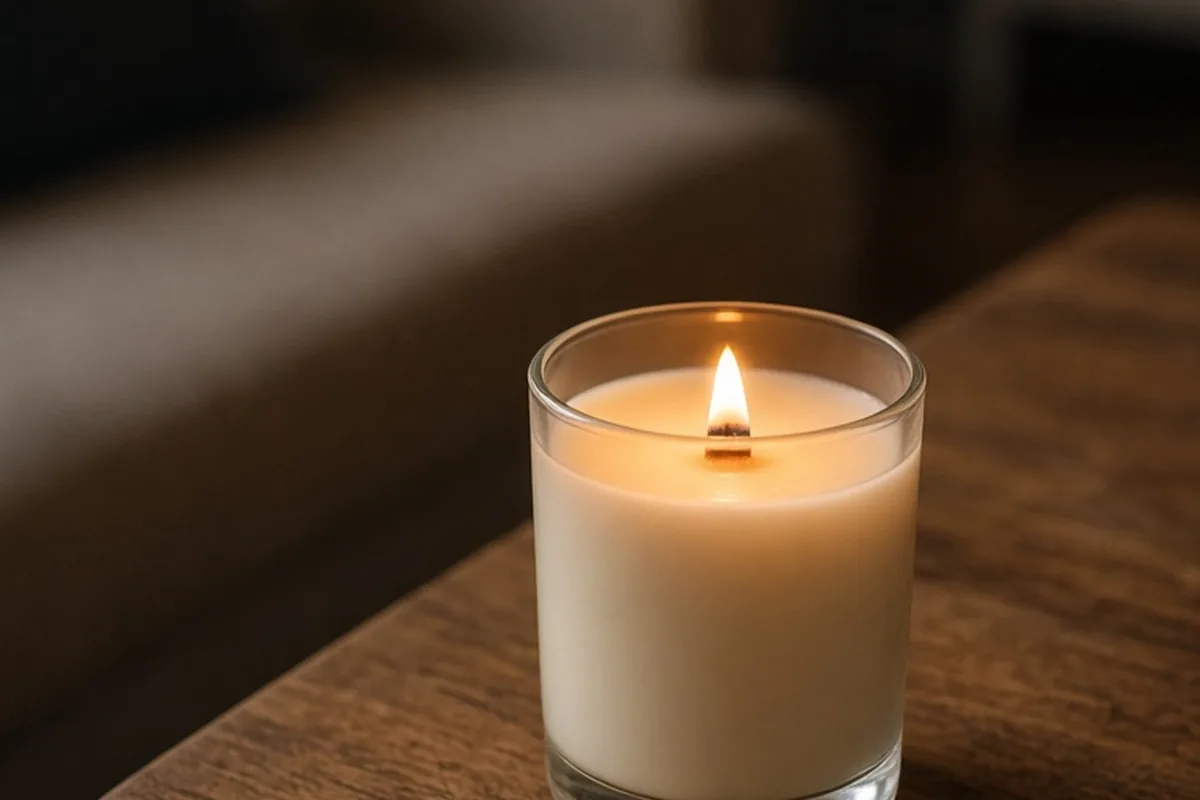
The best romantic scented candles use warm, balanced fragrance notes such as amber, sandalwood, creamy vanilla, soft rose, or subtle fig rather than sharp or overpowering synthetics. To set an inviting mood, select natural soy, coconut, or beeswax candles with a moderate scent throw that complements your room size without overwhelming the senses, lighting them thirty to forty-five minutes before your date begins.
Scent and lighting work together to transform an ordinary living space into an intimate retreat. Because olfactory signals travel directly to the brain's emotional centers, the right fragrance can encourage relaxation, ease conversation, and establish a memorable ambiance for an evening together.
Romantic Fragrance Profiles: Woods, Ambers, and Subtle Florals
When selecting a candle specifically for intimacy and comfort, fragrance families with deep base notes tend to perform best. Warm amber, cedarwood, sandalwood, and vetiver create a grounding, tactile environment that feels cozy rather than clinical. These wood and resin bases linger softly in the air, providing a steady background warmth that allows conversation to flow without sensory distraction.
Gourmand notes like Madagascar vanilla, spiced cardamom, and dark cocoa can add a sweet, indulgent touch, though they should be balanced with earthy or citrus top notes to avoid smelling like a commercial bakery. If you prefer florals, look for complex blends that feature night-blooming jasmine, damask rose, or neroli paired with green foliage or musk. Pure single-note floral scents can sometimes register as powdery or sharp, whereas balanced blends feel lush, modern, and naturally inviting.
Fresh and herbal notes such as black tea, ripe fig, and bergamot provide an excellent middle ground if you or your partner dislike sweet or heavy aromas. A fig and cedar blend, for instance, offers a delicate balance of fruit sweetness and crisp woodiness that feels sophisticated and relaxed.
Pairing Candle Scents with Dinner, Drinks, and Date Night Activities
A common mistake when planning an evening at home is lighting a heavily fragranced candle on the dining table while serving food. Strong scents compete directly with the flavors and aromas of wine and home-cooked meals, which can dull the dining experience and create sensory confusion. During the meal itself, it is usually best to burn completely unscented taper or pillar candles for gentle illumination, leaving the scented options for later in the evening.
Once dinner concludes, transitioning to a scented candle in the living area, den, or bedroom helps mark a natural shift in the night's pacing. A subtle transition from clean dining lighting to a warm, fragranced glow signals relaxation. If your date night revolves around a shared movie or listening to music, choose a mellow wood or amber candle placed several feet away from seating so the fragrance drifts naturally rather than pooling directly overhead.
For relaxed late-night conversations or unwinding with dessert, rich notes like tonka bean, smoky oud, or honeyed tobacco create a cozy atmosphere. The goal is to match the scent intensity to the physical proximity and energy of the activity, ensuring the aroma supports the mood rather than dominating it.
Evaluating Wax Formulas, Wick Materials, and Clean Burning Quality
The ingredients inside a candle directly affect how cleanly it burns and how its fragrance disperses. Paraffin wax, a petroleum byproduct, often delivers a strong immediate throw but can produce noticeable soot and irritate sensitive airways. Natural alternatives like soy wax, coconut wax, and pure beeswax burn at lower temperatures, resulting in a slower, longer-lasting burn that distributes fragrance evenly without heavy black smoke.
Coconut wax blends have gained popularity because they hold a high percentage of fragrance oil and offer an exceptionally smooth, even melt pool. Pure soy wax provides a very clean, understated burn, making it ideal for smaller apartments where an overpowering scent could quickly become stifling. Beeswax naturally emits a faint, sweet honey aroma and produces minimal soot, making it a dependable choice for individuals sensitive to added fragrance oils.
Wick construction is equally critical for a reliable burn. Look for lead-free, braided cotton wicks or sustainably sourced natural wood wicks. Wood wicks produce a soft, rhythmic crackle reminiscent of a small fireplace, adding an auditory layer of romance to the visual glow. Ensure the wick is properly centered in the vessel to prevent uneven melting and wasted wax along the edges.
Matching Scent Throw to Your Room Size and Layout
Candle performance depends heavily on two measurements: cold throw (the scent emitted when unlit) and hot throw (the fragrance distributed once the wax melts). A candle that smells faint in a store display may expand dramatically in an enclosed bedroom, while an intensely fragrant candle might dissipate entirely in an open-concept living room with tall ceilings.
For compact spaces like bedrooms or smaller dens, a single-wick candle weighing between six and nine ounces typically provides enough fragrance without overwhelming the room. In larger, open-concept living spaces, a multi-wick candle or a heavier vessel of twelve to sixteen ounces ensures the aroma distributes evenly throughout the seating area. If you are uncertain of a candle's strength, begin with a medium-sized vessel in a well-ventilated corner rather than positioning it immediately next to where you plan to sit.
Drafts from ceiling fans, open windows, or heating vents can disrupt the scent throw and cause the flame to flicker erratically or smoke. Place the candle out of direct air currents so the melt pool forms smoothly and the fragrance vaporizes evenly across the room.
Setting the Scene: Timing, Lighting Logistics, and Safety
To establish a seamless romantic environment, light your candle roughly thirty to forty-five minutes before your partner arrives or before you sit down together. This timing allows the top layer of wax to melt completely to the edges of the jar, unlocking the full hot throw so the room smells inviting the moment you enter, rather than smelling only like a struck match.
Allowing the wax to reach a complete melt pool across the entire surface on the first burn also prevents tunneling, a common issue where the wick burns straight down the center and leaves hard wax stuck to the sides. Proper candle maintenance includes trimming the wick to about one-quarter inch before each lighting to prevent tall, smoky flames and keep the burn safe and clean.
Safety should always remain central to your setup. Place candles on stable, heat-resistant surfaces away from curtains, loose throws, books, and curious pets. Never leave burning candles unattended if you move to another room, and consider keeping a sleek candle snuffer nearby to extinguish flames cleanly without blowing smoky residue or hot wax across the table.
Navigating Scent Sensitivities and Mutual Fragrance Preferences
Fragrance preference is deeply personal, and a scent that feels romantic to one person might trigger a headache or allergic reaction in another. Heavy artificial musks, intense cinnamon blends, or cloying floral perfumes are frequent culprits for sensory discomfort. When planning a date with someone new, choosing subtle, naturally derived scents or asking a casual question about their favorite smells demonstrates thoughtfulness.
You can easily gauge preferences in casual conversation by mentioning a candle you enjoy or asking whether they prefer fresh, woody, or sweet aromas. If your partner has known sensitivities, opt for pure beeswax candles, naturally scented botanical melts, or unscented pillar candles combined with soft ambient lamps to capture the visual romance without the fragrance.
If you notice your partner rubbing their eyes, clearing their throat, or opening a window during your date, gracefully extinguish the candle without drawing awkward attention to it. Comfort and ease are the foundation of romance, and being flexible with your atmospheric setup ensures both people feel relaxed and cared for.
Illustrative Scenarios
Adjusting Candle Scents for a Home Dinner Date
Julian planned a special home-cooked seafood dinner for an anniversary and lit an intense cinnamon-apple candle right in the center of the dining table. Within minutes of sitting down, the heavy bakery aroma clashed unpleasantly with the delicate food flavors, leaving his partner overwhelmed. Julian gently blew out the candle, opened a window for a few minutes, and replaced it with two simple unscented tapers. Later in the evening, he moved into the living room and lit a soft sandalwood and amber candle, which provided a cozy, relaxing backdrop for conversation.
Key point: Keep dining tables free of strong scented candles to protect your meal's flavors, saving warm background fragrances for relaxation areas later in the evening.
Overcoming Fragrance Sensitivities with Natural Wax Blends
Elena wanted to create a relaxing evening for a partner who frequently experienced mild headaches around strong synthetic perfumes. Instead of buying a conventional heavily perfumed department store jar, Elena chose an unbleached coconut-soy candle scented with pure cedarwood and natural bergamot, placing it across the room thirty minutes before the date. The subtle, clean burn created an inviting atmosphere without triggering any irritation, allowing both of them to enjoy a comfortable night.
Key point: Selecting low-throw candles made from natural waxes and botanical oils creates a romantic ambiance while accommodating partners with sensitive airways.
Frequently asked questions
How long before a date should you light a scented candle?
Light your candle approximately thirty to forty-five minutes before your date begins. This duration allows the wax to melt evenly to the edges and release its full fragrance profile so the room smells welcoming upon arrival.
What are the most universally appealing romantic candle scents?
Warm blends containing sandalwood, amber, soft vanilla, black tea, and light fig tend to be the most widely enjoyed. These notes create a grounding, cozy environment without the sharp or polarizing qualities of heavy florals or overly sweet bakery scents.
Why does a candle sometimes smell strong in the jar but faint when lit?
This difference occurs when a candle has a high cold throw but a poor hot throw, often due to low-grade wax, an undersized wick, or inadequate fragrance oil concentration. Choosing quality coconut or soy wax blends with properly sized cotton or wood wicks ensures consistent fragrance release while burning.
How can you prevent black smoke and soot on date night?
Trim the candle wick to one-quarter inch before lighting it, and place the candle away from direct drafts, open windows, and fans. Using natural soy, coconut, or beeswax formulas rather than paraffin also significantly reduces soot production.
Your next step
Select a clean-burning coconut or soy wax candle in a balanced amber or sandalwood profile, and test-burn it for thirty minutes the day before your date to verify that its fragrance throw and wick performance match your room perfectly.