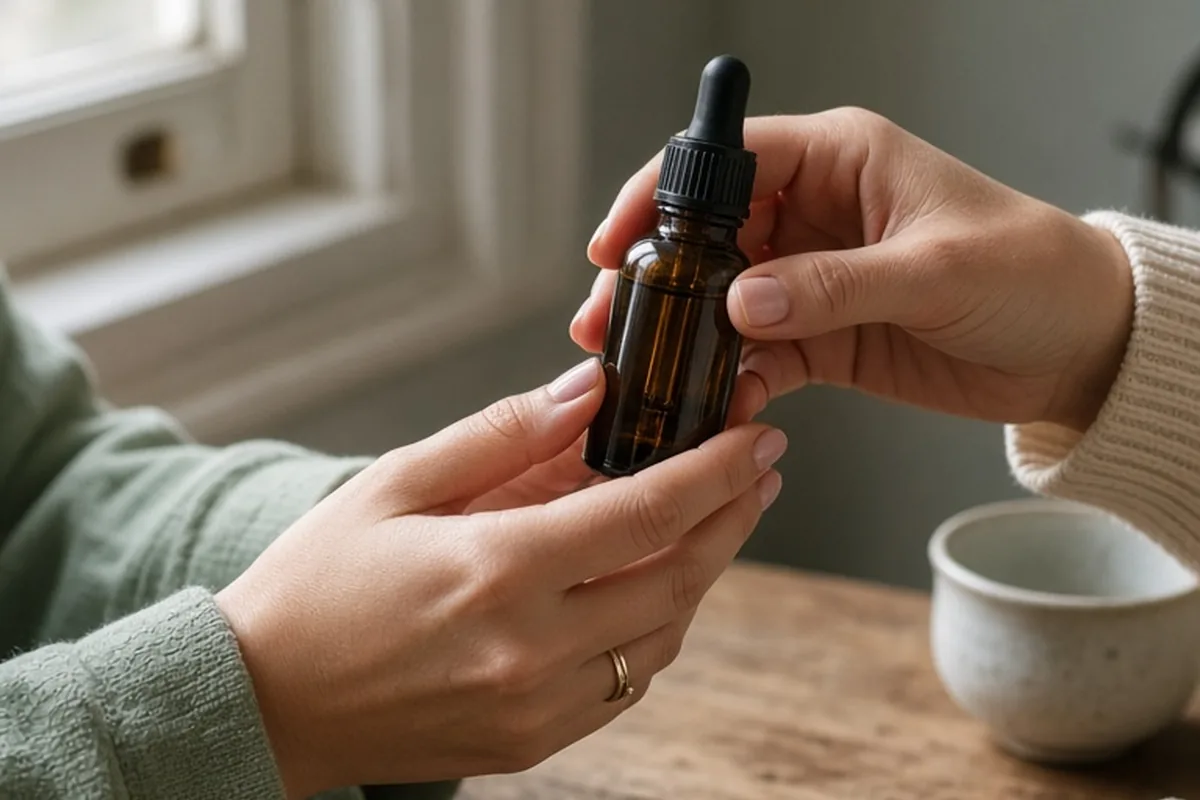
The best self-care gift ideas focus on restorative experiences and daily friction relief rather than generic pampering. Effective options include tactile comfort items like weighted blankets, sensory unwinding tools such as non-greasy body oils or aromatherapy diffusers, low-effort hobby kits, sleep-hygiene upgrades, and experiential gifts like paid housecleaning or meal deliveries that give someone back unstructured personal time.
True self-care is rarely about theatrical spa days; it is about having small, dependable moments of physical ease and mental breathing room woven into an ordinary week. When choosing a gift for a friend, partner, or colleague who is feeling stretched thin, the goal is to lower their mental burden rather than handing them an elaborate routine that feels like another demanding chore on an already overflowing calendar.
Grounding Comfort Gifts That Relieve Physical Tension
Somatic grounding gifts work directly on the body to signal safety and release the physical tension built up from desk work, physical labor, or prolonged mental stress. Items in this category do not demand performance, learning curves, or emotional processing; they merely offer immediate comfort the moment someone sits down at the end of a demanding day. Consider a microwaveable neck and shoulder wrap filled with flaxseeds and dried lavender, a plush woven throw blanket with noticeable heft, or an acupressure mat for relieving lower back tightness. These items invite the recipient to lie down, close their eyes, and let passive warmth or texture do the work of soothing stiff muscles.
When choosing physical comfort items, sensory sensitivity is the most critical factor to balance. For example, a heavy 15-pound weighted blanket can feel deeply calming to someone who craves deep touch pressure, yet it might feel restrictive, hot, or claustrophobic to a warm sleeper or someone with joint mobility challenges. If you are uncertain about their sensory tolerances, opt for breathable, natural-fiber textiles such as an oversized stonewashed linen throw, a cashmere rib-knit lounge wrap, or an adjustable contoured neck pillow that accommodates different seating angles and personal heat levels without trapping sweat.
Low-Maintenance Sensory Upgrades for Bath and Body
Body-care gifts often fail when they require extensive preparation, elaborate cleanups, or tubs that the recipient simply does not have. The most considerate bath and personal-care presents adapt seamlessly to the recipient's existing hygiene habits rather than demanding an hour-long soaking ritual. If the person has limited time or prefers showers, aromatic shower steamers infused with crisp eucalyptus, rosemary, or cedarwood vaporize effortlessly in standard steam, creating an invigorating sensory oasis without any post-bath tub scrubbing.
For those who genuinely love soaking, prioritize skin-supportive formulations over heavily artificial glitter bombs or drying bubble foams. Dead Sea salt flakes, pure magnesium bath crystals, and unscented plant squalane oils provide restorative nourishment without harsh chemical perfumes that can irritate sensitive skin. A practical example is pairing a jar of unscented mineral bath salts with a nourishing, fast-absorbing botanical body oil made from cold-pressed jojoba or rosehip seed. The primary limitation to remember here is fragrance allergy; always lean toward naturally derived, mild essential oil blends or completely fragrance-free versions if you are unsure whether the recipient is susceptible to contact dermatitis or scent-triggered migraines.
Sleep Environment Tools for Restorative Wind-Downs
Sleep is the foundational pillar of physical and emotional resilience, making tools that protect evening wind-downs deeply practical gifts. The modern home environment is filled with circadian disruptors, ranging from persistent streetlight glare to blue-spectrum illumination from work monitors and smartphones. Presents that naturally darken, quiet, or soften the bedroom microclimate make going to sleep feel like an intentional act of sanctuary. A 100-percent mulberry silk blackout sleep mask with a recessed eye cavity allows the wearer to blink comfortably while blocking all ambient glow, making it a reliable staple for light sleepers, shift workers, and frequent travelers.
Beyond light management, consider auditory and atmospheric enhancements that require minimal technical interaction. A standalone analog sound machine with a physical volume knob and warm white noise profiles avoids the distraction of smartphone apps and push notifications. Alternatively, an amber bedside reading lamp that emits zero blue light creates a cozy perimeter for winding down with a physical book. Avoid complex smart-home devices that require software updates, account registrations, or Wi-Fi pairings, as setting up new gadgets frequently produces the very cognitive fatigue a self-care gift is meant to alleviate.
Low-Pressure Creative Outlets That Quiet Racing Thoughts
Burnout often leaves people mentally exhausted yet too restless to sit in pure silence. In these moments, low-stakes creative engagement functions as active rest, pulling the brain's focus into the tactile present without the pressure of producing a masterpiece. Excellent gift choices in this domain include beginner-friendly watercolor workbooks with pre-printed outlines, tactile modeling clay kits with air-dry sealant, or a simple hand-mending kit equipped with colorful sashiko thread and linen swatches. These activities absorb busy cognitive energy through repetitive, calming hand motions.
A common pitfall in creative gifting is selecting supplies that evoke intimidation or a sense of academic obligation. A blank, gilded leather journal can cause performance anxiety for someone who does not know what to write, whereas an unguided prompt journal or a dot-grid notebook with a pack of smooth-flowing ink pens offers structured freedom. Keep the scale of the creative gift modest so it does not transform into an imposing project that stares back from a shelf with unresolved guilt. The objective is engaging flow, not an accomplished artistic portfolio.
Time-Reclaiming Services to Relieve Cognitive Overload
For many overwhelmed individuals, the greatest barrier to self-care is not a lack of bath salts or scented candles, but a severe deficit of unstructured time. When someone is balancing caregiving responsibilities, career pressures, and continuous domestic maintenance, physical objects can feel like extra clutter to manage. Gifting practical services that eliminate friction points from their daily routine creates genuine space for relaxation that money cannot otherwise easily buy. Sponsoring a three-hour professional home cleaning service, a month of curbside compost pickup, or a bundle of delivered, scratch-made freezer meals can provide several hours of guilt-free stillness.
Because domestic support touches on personal territory, navigate this category with sensitivity and discretion. Framing is essential; present the service as a celebration of their hard work rather than an implied critique of how they run their living space. Always choose reputable, fully insured service providers and opt for flexible vouchers or digital gift codes that allow the recipient to book according to their personal schedule and comfort level. If your budget is smaller, practical micro-services like a prepaid gift card for grocery delivery, mobile car detailing, or drop-off wash-and-fold laundry can grant an exhausted friend an entire free afternoon.
Intentional Beverage Rituals That Encourage Daily Pauses
A warm beverage is one of the simplest mechanisms for slowing down the cadence of a frantic morning or bookending a high-stress workday. The deliberate act of boiling water, waiting for leaves to steep, and holding a warm vessel encourages a five-minute boundary where multitasking pauses. You can elevate this everyday experience by gifting a heavy, wheel-thrown ceramic mug made by a local potter, which provides a tactile, grounding sensory weight in the hands that mass-produced drinkware cannot match.
Pair the drinkware with premium, caffeine-free herbal tisanes such as whole chamomile blossoms, organic peppermint leaves, or roasted barley tea. Unlike hyper-caffeinated coffee bundles that can exacerbate nervous system jitters, herbal options provide soothing ritual warmth without disrupting natural sleep patterns. Include a high-precision stainless steel loose-leaf infuser basket or a small jar of raw, single-source wildflower honey with an olive-wood dipper. The only caveat is observing dietary preferences; check subtly whether the recipient avoids honey or has personal sensitivities to specific herbal ingredients before assembling the set.
How to Match a Self-Care Gift to Specific Exhaustion Styles
People experience exhaustion across different dimensions, and a self-care gift lands with far greater resonance when it addresses the recipient's specific type of depletion. Cognitive fatigue, common among analytical workers and students, demands items that calm mental processing, such as ambient noise, dim lighting, or tactile crafts. Physical fatigue, frequently seen in tradespeople, nurses, and athletes, calls for direct muscle relief, restorative foot creams, ergonomic cushions, and uninterrupted sleep accessories that support physical repair.
Social and emotional exhaustion, on the other hand, requires gifts that support boundary-setting and solitude. An emotionally drained person typically thrives with presents that signal total permission to stay in: high-end noise-canceling earplugs, a comfortable linen loungewear set, or a digital subscription to an audio story platform that lets them disconnect from social obligations. Before purchasing, reflect on where your recipient spends the majority of their energy each week. Matching your gift to their primary point of strain ensures that your gesture offers real, restorative relief rather than superficial decor.
Frequently asked questions
How do I choose a self-care gift for someone who already has everything?
Focus on high-quality consumables or experiential time-savers rather than durable household objects. Thoughtful choices include artisanal herbal tea blends, luxury bath salts, or a prepaid meal delivery voucher that eliminates an evening of cooking and cleanup. These options enrich their daily routine without contributing to physical household clutter.
What is an affordable self-care gift that still feels luxurious?
A substantial, handmade stoneware mug paired with loose-leaf chamomile tea offers a luxurious tactile ritual for a modest budget. You can also assemble a soothing shower pack featuring a natural dry body brush and botanical shower steamers. The key is choosing one high-utility everyday item crafted from exceptional materials rather than a large basket of lower-quality trinkets.
Can practical household gifts be considered self-care?
Yes, practical gifts count as self-care when they directly remove chronic daily friction or mental overhead. Outsourcing chores like housecleaning, dry cleaning, or grocery runs frees up cognitive bandwidth and unstructured time. If the gift noticeably decreases the recipient's daily stress load, it acts as genuine care.
How do I avoid giving a gift that feels like an added obligation?
Avoid items that require extensive setup, regular maintenance, or strict self-discipline, such as complex habit trackers or multi-step skincare regimens. Choose gifts that are ready to enjoy immediately and demand zero performance from the recipient. An ideal self-care item invites passive relaxation without measuring progress or outcome.
Your next step
Take five minutes today to identify your recipient's primary source of daily exhaustion, then select one thoughtful gift that directly removes friction or physical tension from their routine.