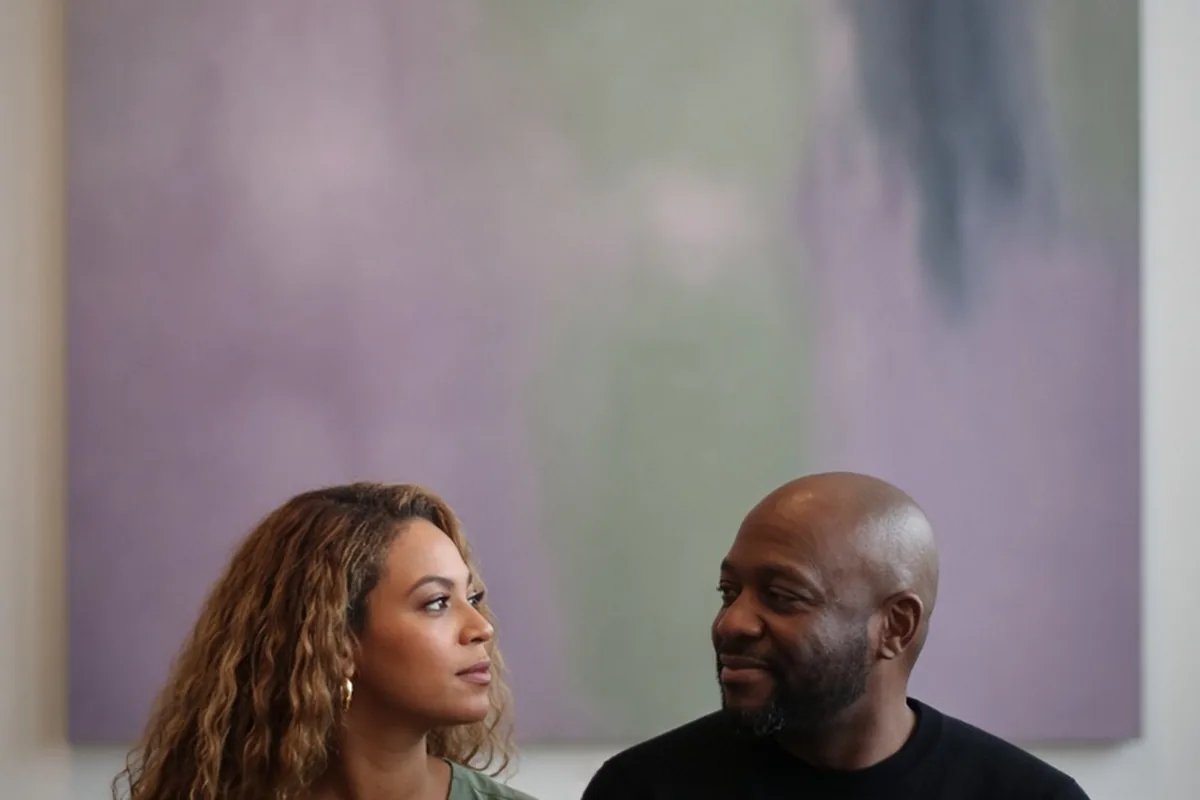
Beyonce and Jay-Z exemplify modern couple philanthropy by maintaining individual charitable foundations—the Shawn Carter Foundation and BeyGOOD—while uniting for large-scale disaster relief, educational scholarships, and social justice initiatives. Their approach shows how partners can merge distinct personal passions into a cohesive, impactful mission that strengthens both their public legacy and their shared relationship values.
When high-profile partners unite their influence, financial resources, and personal values around charitable causes, philanthropic work becomes a foundational pillar of their relationship rather than a sideline activity.
Dual Foundations: Balancing Autonomy with Shared Purpose
A central strength of the charitable model built by Beyonce and Jay-Z is their deliberate maintenance of separate philanthropic vehicles alongside joint giving initiatives. Jay-Z established the Shawn Carter Foundation in 2003 with his mother, Gloria Carter, with a dedicated focus on helping individuals facing significant socio-economic hardships pursue higher education. A decade later, Beyonce founded BeyGOOD in 2013, creating an agile humanitarian initiative designed to address economic equity, disaster relief, mental health, and entrepreneurship. By maintaining these distinct organizations, both partners preserve the freedom to direct energy toward causes deeply tied to their personal upbringing and individual values.
For couples exploring charitable giving, this dual-structure approach provides a practical blueprint. When partners feel pressured to pool all their charitable intentions into a single bucket, one person often compromises their core interests. Maintaining distinct allocations for personal charitable interests alongside a unified family giving goal prevents friction and broadens the couple's collective community reach. It allows each partner to feel personally invested in their chosen causes while still presenting a united front on major community initiatives.
Mobilizing Joint Platforms for Educational Equity and Scholarships
Education has served as the most visible convergence point for the Carters' collaborative philanthropy. Through coordinated initiatives, the couple has funded multimillion-dollar scholarship programs targeting students at Historically Black Colleges and Universities (HBCUs) and underserved school districts. Programs like the Homecoming Scholars Award and their joint About Love scholarship partnership channeled institutional resources directly to students majoring in creative arts, business, and STEM fields, removing financial barriers that often disrupt degree completion.
The strategic takeaway for everyday couples lies in focusing shared resources where values naturally overlap. Rather than attempting to support dozens of unrelated causes with nominal contributions, concentrating joint efforts on a specific, measurable objective—such as funding a local trade apprenticeship, contributing to a community college endowment, or sponsoring educational supplies—creates tangible, sustained momentum. Focusing shared contributions on a clearly defined area deepens the satisfaction both partners derive from their joint efforts.
Rapid Crisis Response and Direct Community Aid
Beyond long-term educational endowments, Beyonce and Jay-Z have repeatedly demonstrated how to deploy resources swiftly during humanitarian and public health emergencies. During the COVID-19 pandemic, BeyGOOD partnered with local public health organizations to provide mobile testing, food supplies, and essential aid to vulnerable urban populations, while Team ROC—the philanthropic and social justice branch of Jay-Z's Roc Nation—secured protective gear and legal aid for incarcerated individuals facing unsafe conditions. Similar coordinated interventions have followed natural disasters, including hurricanes in the Gulf Coast and clean water shortages in Burundi through global utility partnerships.
The operational lesson here is the value of partnering with established grassroots organizers rather than attempting to reinvent local infrastructure during an emergency. Effective philanthropy recognizes existing community expertise and provides the capital or visibility required to scale immediate solutions. Couples can apply this principle locally by identifying established community kitchens, domestic shelters, or mutual aid networks that already possess the logistics to turn financial contributions into direct assistance.
Integrating Philanthropy into Professional and Commercial Ventures
Rather than treating charity as an isolated tax write-off, the Carters systematically embed social impact directly into their commercial enterprises. During stadium tours, a designated portion of VIP ticket sales, merchandise proceeds, and corporate sponsorship matching funds are allocated to local small business grants and scholarship recipients in each tour city. Through Beyonce's Black Parade Route initiative, small businesses received direct directory promotion and capital grants, while Jay-Z's business ventures consistently incorporate social equity clauses and minority supplier inclusion.
Integrating social consciousness into daily economic choices is an accessible strategy for couples at any income level. Aligning spending with shared values—such as banking with local credit unions, prioritizing certified ethical vendors, or allocating a set percentage of side-business revenues to community projects—turns routine financial decisions into an ongoing expression of mutual values. Philanthropy becomes an operational habit rather than an occasional year-end consideration.
Navigating Differences in Giving Priorities Within a Relationship
Even when two partners share broad ethical values, they frequently differ on specific funding priorities, timelines, and levels of community involvement. One partner may prioritize animal welfare and environmental conservation, while the other emphasizes youth sports programs or medical research. Conflict arises when couples view charitable giving as an all-or-nothing consensus process where one person's cause must win out over the other.
To manage differing philanthropic priorities smoothly, couples can implement a structured 'three-pot' giving model: one shared fund for joint causes and two individual discretionary allowances for personal giving. Establishing clear parameters around how much total income is committed annually ensures that neither partner feels their values are sidelined, while maintaining full transparency regarding the household budget.
- Shared Pot: A predetermined percentage of the giving budget dedicated to causes both partners actively support together.
- Partner A Discretionary Pot: Dedicated funds that one partner can donate to their preferred organizations without needing formal sign-off.
- Partner B Discretionary Pot: Dedicated funds allocated independently by the other partner toward their own passions.
- Emergency Reserve: A small flexible allocation reserved for urgent mutual aid or local community emergency drives.
Creating a Long-Term Giving Strategy Beyond Financial Capital
High-visibility philanthropy often highlights large financial gifts, but the sustained impact of philanthropic leaders frequently stems from the donation of time, professional skills, and strategic access. Beyonce and Jay-Z routinely leverage their creative direction, legal teams, and public advocacy to address systemic issues such as criminal justice reform and economic disenfranchisement. Their involvement demonstrates that strategic guidance and public advocacy often produce systemic changes that monetary gifts alone cannot accomplish.
Couples can build meaningful collaborative philanthropy by evaluating their non-monetary assets, including professional skills, network connections, and personal volunteer hours. A couple where one partner has accounting skills and the other possesses event-planning experience can provide vital operational support to small local nonprofits. Donating expertise builds strong shared memories and allows partners to witness the real-world impact of their combined strengths.
Ensuring Accountability, Due Diligence, and Genuine Impact
A critical risk in modern philanthropy is the prevalence of performative charity, where public announcements generate attention but deliver minimal long-term benefit to the communities in need. Sustainable giving requires thorough vetting of partner organizations, low overhead ratios, transparent reporting, and direct engagement with the recipients. The Carters achieve sustained effectiveness by maintaining long-standing partnerships with accredited universities, United Way chapters, and vetted community development financial institutions.
Couples should apply the same diligence when determining where their time and money go. Before committing funds or public support to a cause, evaluate nonprofit ratings on independent platforms such as Charity Navigator or GuideStar, confirm how directly funds reach program recipients, and establish clear criteria for continuing or ending support. Practicing thoughtful due diligence protects your household resources and ensures your contributions generate genuine community uplift.
Frequently asked questions
What are the primary foundations run by Beyonce and Jay-Z?
Beyonce leads BeyGOOD, which focuses on economic equity, disaster relief, education, and small business support. Jay-Z established the Shawn Carter Foundation, which centers primarily on post-secondary education scholarships, college prep, and study-abroad opportunities for underserved youth.
How can couples start a shared giving plan on a modest budget?
Couples can begin by setting aside a small, consistent monthly percentage of household income into a dedicated savings sub-account for donations. Combining this financial pool with designated volunteer hours allows partners to support local causes without straining their core living expenses.
How do Beyonce and Jay-Z support education specifically?
Their educational philanthropy includes multi-million dollar scholarship endowments at Historically Black Colleges and Universities, funding for secondary school supplies, and specialized grants that cover emergency tuition gaps and international study programs for students facing financial hardship.
Your next step
Schedule a joint philanthropic planning session with your partner this month to define your shared giving budget, choose one primary community cause to support together, and establish individual giving allowances for personal interests.