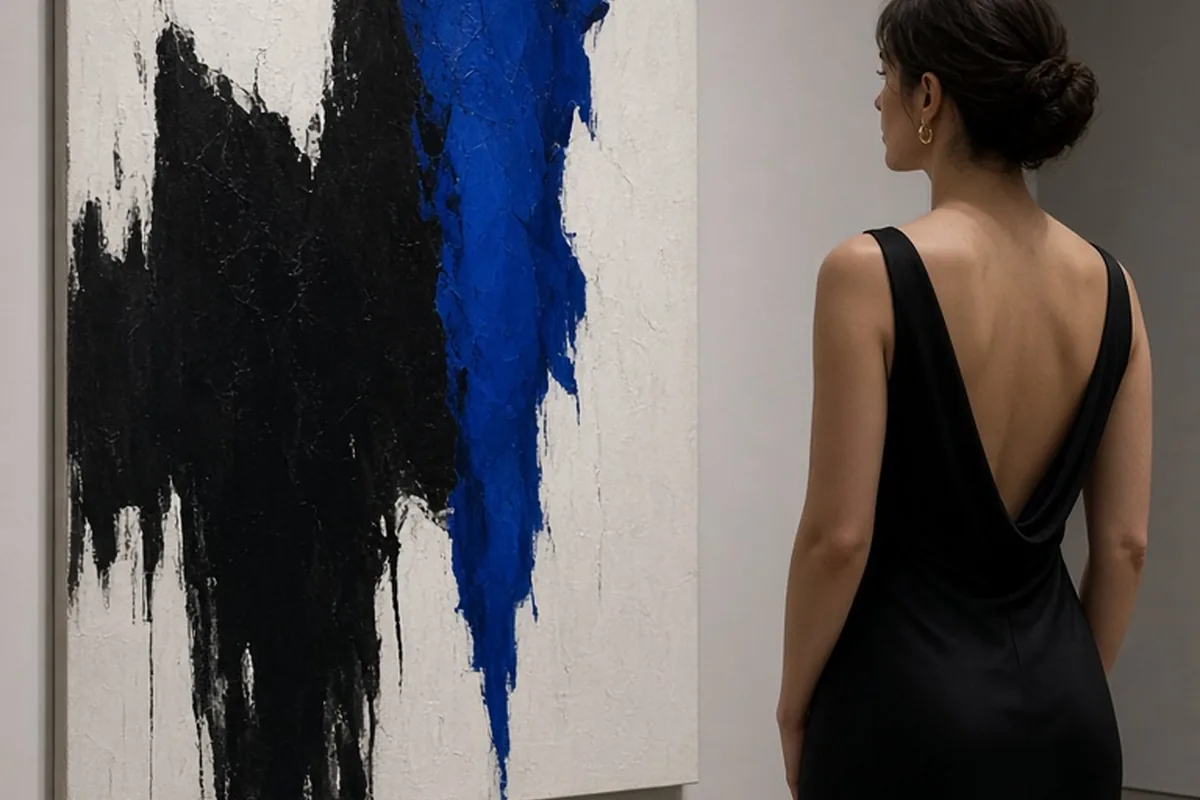
A black tie wedding guest outfit payment schedule spans two to four months before the event. If renting a tuxedo or gown, you pay a reservation deposit immediately and the remaining balance upon final fitting or dispatch. For custom or purchased attire, expect an upfront deposit of 50 percent upon commissioning, followed by final balances when tailoring is completed. Alteration costs and accessory purchases typically occur three to four weeks before the wedding, settling all accounts before event week.
Attending a formal black tie wedding requires coordinating specialized garments, precision alterations, and formal accessories, making cash flow management an important part of your event preparation.
Initial Outfit Sourcing Deposits: Tuxedo Rentals vs. Made-to-Measure Purchases
The first milestone in your payment schedule depends entirely on whether you choose to rent, buy off-the-rack, or commission a custom garment. If you are renting a tuxedo or designer evening gown, formalwear rental businesses generally require an immediate deposit or full prepayment at the time of booking to secure your size and style for the wedding weekend. When booking four to six months in advance, this early transaction locks in your reservation, while any remaining rental balance or incidental hold is typically processed when the garment ships or is collected for final fitting.
Commissioning custom tailoring or made-to-measure eveningwear introduces a phased billing structure that starts much earlier. Custom clothiers and couture gown makers customarily split the total investment into a 50 percent initial deposit upon fabric selection and pattern drafting, with the final 50 percent balance due at the final fitting before you take the garment home. If you purchase an off-the-rack luxury tuxedo or evening dress, you will pay the entire purchase price upfront, but you must reserve sufficient budget for subsequent tailoring stages that occur closer to the wedding date.
The Alteration Billing Timeline: Staggering Fitting and Tailoring Fees
Alterations represent a separate, critical expense that should never be left until the final week before a black tie event. Most independent tailors and bridal seamstresses operate on their own billing schedules, often requesting full payment for labor upfront or requiring a 50 percent deposit at the first pin-fitting session. Because formal garments like floor-length gowns and structured dinner jackets require specialized stitching, hemming, and waist tapering, scheduling your first fitting six to eight weeks before the celebration gives your tailor adequate working time while spacing out your costs.
Your final alteration payment is usually rendered during the secondary or final pickup fitting, approximately two to three weeks before the wedding date. At this appointment, you verify the drape, break of the trousers, sleeve length, or gown hem while wearing your actual event footwear. Once you confirm that no additional adjustments are needed, you settle the remaining balance. Aligning this secondary payment with your monthly personal budget prevents tailoring charges from colliding directly with travel, lodging, or wedding gift expenses.
Formal Footwear and Accessory Milestone Payments
Completing a black tie ensemble requires strictly coordinated accessories, including patent leather shoes or formal pumps, silk bow ties, cummerbunds or waistcoats, cufflinks, stud sets, and appropriate evening wraps or clutch bags. To prevent cash flow compression in the month of the wedding, these items should be budgeted and acquired during the middle phase of your schedule, roughly two months before the ceremony. Sourcing your footwear early is especially practical, as your tailor will require the exact heel height to hem trousers or gown skirts accurately.
Purchasing jewelry, hosiery, formal undergarments, and dress shirts at this intermediate stage ensures that any sizing exchanges or supplemental styling adjustments can be resolved without rush delivery surcharges. Because black tie accessories represent standalone retail transactions, paying for them outright between your initial garment deposit and your final alteration invoice creates an evenly spaced expense progression across three distinct pay cycles.
Managing Third-Party Split-Payment Financing for Luxury Eveningwear
Many high-end fashion retailers, bridal salons, and menswear stockists now integrate third-party installment providers at checkout, allowing shoppers to split large purchases into bi-weekly or monthly installments. If you choose to finance a designer gown or bespoke dinner suit through these services, you must map the recurring repayment dates against your other wedding-related outlays. While an initial down payment is paid on day one, the subsequent automated drafts will continue across the following six to twelve weeks.
When using split-payment financing, it is critical to confirm whether the agreement involves interest, late penalties, or impacts on your credit utilization. You should verify that the automated payment withdrawal dates do not overlap uncomfortably with secondary tailor pickups, rental security holds, or flight bookings. Treating installment payments as scheduled calendar items helps you maintain clear visibility over your total formalwear expenditure.
Security Deposits, Insurance Waivers, and Return Deadlines
Rental agreements for black tie attire frequently involve temporary financial holds that exist outside your baseline garment cost. When you pick up your tuxedo or receive your designer gown shipment, the vendor typically places a security pre-authorization on your payment card to cover potential tears, stains, or late drop-offs. In addition, many rental companies offer an optional, non-refundable damage waiver fee payable at the initial booking stage, which relieves you of liability for minor accidental spills or zipper snags.
Understanding when these authorizations are applied and released is vital for accurate account tracking. Security holds are commonly initiated two to three days before the event date and cleared within three to seven business days after the vendor inspects the returned garment. Ensure your payment card has sufficient available credit line buffer during event week so these temporary holds do not disrupt your everyday travel transactions.
Emergency Rush Fees and Last-Minute Wardrobe Adjustments
Unplanned wardrobe expenses can arise in the final ten days before a formal event, such as sudden weight fluctuations requiring emergency adjustments, express dry cleaning, or rush shipping fees for replacement accessories. Tailors and formalwear vendors usually bill rush services at premium flat rates or percentage markups that must be paid immediately upon receipt of the service.
To insulate your budget against unexpected expenses during the week of the wedding, reserve an emergency contingency fund equal to roughly ten to fifteen percent of your overall outfit budget. If you avoid last-minute tailoring rushes or replacement shipments, these funds remain unspent; if an urgent repair is required, you can clear the immediate invoice without destabilizing your core event budget.
A Four-Month Black Tie Outfit Cash Flow Calendar
A structured timeline ensures you never face a concentrated wave of formalwear costs all at once. At sixteen weeks out, begin researching your attire, establishing whether you are renting, buying, or commissioning bespoke work, and pay your initial retail invoice or rental booking deposit. At eight to ten weeks out, purchase your formal shoes, base undergarments, and essential accessories so they are available for your tailoring consultations.
At six weeks out, attend your initial fitting and settle the initial tailoring labor deposit. At two to three weeks out, complete your final garment try-on, inspect all adjustments, and pay the remaining alteration balance. During the week of the event, accommodate any temporary security deposits for rented items, ensuring all obligations are cleared before you arrive at the celebration.
Frequently asked questions
How far in advance should I start paying for a black tie wedding outfit?
You should begin your payment timeline three to four months before the wedding. Starting early allows you to spread initial purchase or rental deposits, accessory purchases, and sequential alteration fees across several distinct monthly pay periods.
When do I pay for tuxedo or dress alterations?
Tailoring costs are generally billed in two parts: a deposit or upfront labor charge at your first fitting six to eight weeks out, and the final balance upon pickup two to three weeks before the event. Some tailors require full payment during the initial consultation.
Are rental security deposits charged immediately upon booking?
Reservation fees or rental hire charges are typically paid when you place the order, while refundable security deposits or pre-authorizations are placed on your card when the garment is dispatched or collected. The security hold is released after the outfit is safely returned and inspected.
Your next step
Review your wedding calendar today, determine whether your black tie outfit will be rented, purchased, or custom-made, and set calendar reminders for your initial deposit, footwear purchase, and first alteration fitting.