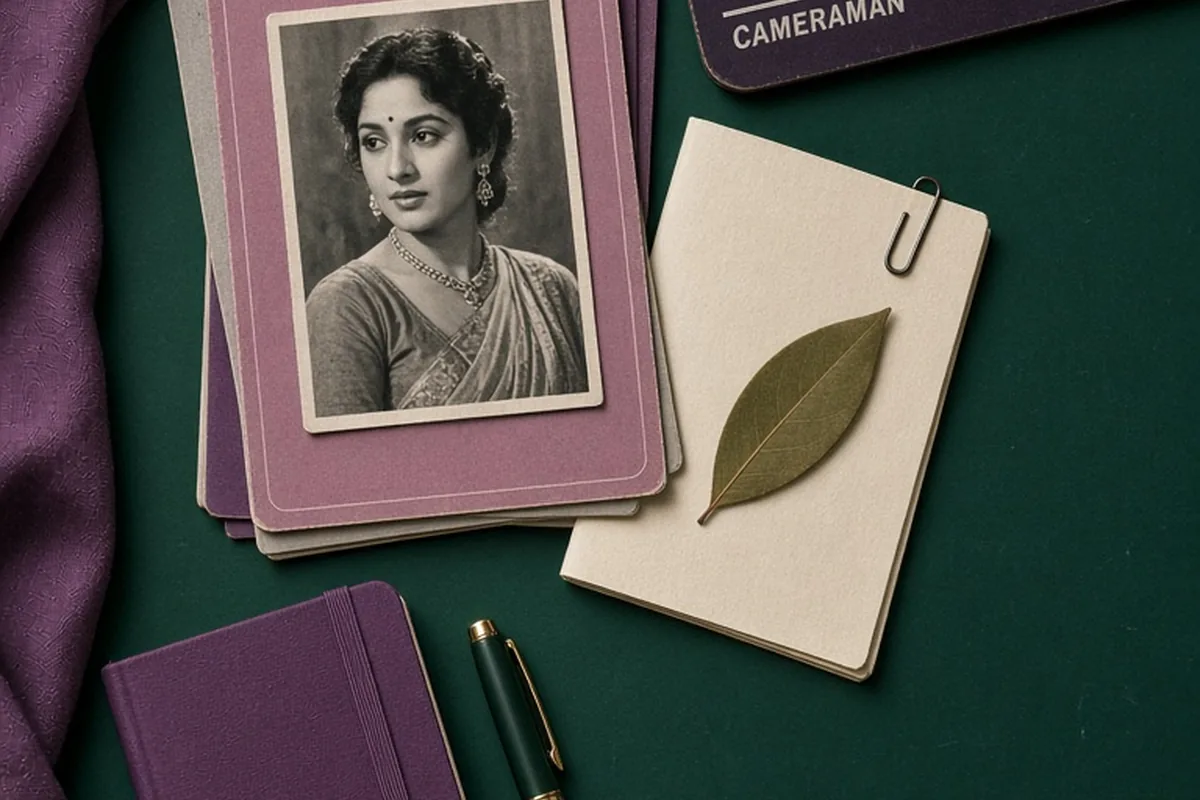
A Bollywood actress represents a female lead performer in Hindi cinema, whose on-screen presence has evolved from decorative romantic interests into complex protagonists, antiheroes, and nuanced narrative drivers. Understanding the trajectory of Hindi film heroines highlights how shifting social mores, independent production houses, and diverse scripts have expanded female roles beyond conventional archetype boundaries while continuing to navigate systemic industry challenges.
Hindi cinema has continually mirrored and questioned societal views on women through its leading performers. From mid-twentieth-century melodramas to contemporary streaming platforms, female actors have transformed Indian pop culture by claiming creative autonomy, challenging gender stereotyping, and carrying critically acclaimed commercial projects.
The Historical Arc from Melodramatic Muse to Multi-Faceted Protagonist
In the foundational eras of Hindi cinema, female leads were frequently framed through polarized archetypes. Golden Age productions throughout the 1950s and 1960s often relied on the ideal of self-sacrifice, family honor, and moral purity. Actresses such as Nargis, Meena Kumari, and Nutan delivered deeply emotive performances that anchored landmark films like Mother India and Bandini. Yet their characters were largely designed to symbolize maternal resilience or domestic virtue rather than individualized desire or personal ambition.
As the industry transitioned into the 1970s and 1980s, commercial cinema became dominated by the working-class male vigilante archetype, often sidelining women into romantic ornamentation or distress-driven plot devices. Simultaneously, the Parallel Cinema movement emerged as a vital counterbalance. Performers like Shabana Azmi and Smita Patil anchored realistic narratives such as Ankur and Arth, portraying women navigating infidelity, economic independence, and marital dissolution with raw authenticity. This parallel track proved that female-led cinema could command critical respect while reflecting the unvarnished realities of modern Indian womanhood.
The legacy of this historical divide still informs contemporary filmmaking. The modern Hindi film heroine is no longer forced to choose strictly between high-glamour mainstream stardom and serious artistic credibility. Instead, today's performers synthesize both worlds, balancing song-and-dance spectacles with complex character-driven cinema, establishing a creative baseline where female agency is an expectation rather than an anomaly.
Subverting Tropes: The Emergence of the Antihero and Femme Fatale
For several decades, mainstream Bollywood maintained a rigid division between the chaste heroine and the westernized, morally ambiguous vamp. The vamp was allowed to be ambitious, sensual, and defiant, but the narrative inevitably punished her by the final reel, reinforcing social conformity. The heroine, in contrast, was rewarded for patience, modesty, and compliance. This moral dichotomy limited the emotional depth available to leading actresses, who were rarely allowed to show flawed motives or darker human instincts.
Over the last two decades, this rigid division has dissolved significantly. Leading actresses began actively pursuing antagonistic and morally compromised roles, realizing that perfection often restricts dramatic range. Landmark performances demonstrated this transformation, such as Priyanka Chopra portraying an unapologetic corporate executive in Aitraaz and a multi-layered murderess in 7 Khoon Maaf. Similarly, Tabu's portrayals of calculating, enigmatic figures in Maqbool and Andhadhun redefined the modern Indian femme fatale by replacing cartoonish villainy with psychological complexity and biting wit.
While playing an antihero provides immense artistic satisfaction, it carries distinct commercial risks within mainstream Hindi cinema. Conservative segments of the audience can occasionally conflate an actress with her morally flawed character, leading to public pushback or box office hesitation. Despite these lingering biases, the growing appetite for morally grey female leads indicates that viewers increasingly appreciate layered human behavior over predictable moral fables.
Transitioning from Glamour Accents to Box Office Anchors
Commercial Hindi cinema historically justified the inclusion of female performers primarily through high-energy musical sequences and romantic subplots designed to support male protagonists. While musicality remains a celebrated pillar of Bollywood tradition, the reduction of leading women to mere glamorous accessories long hindered substantive narrative representation. Female actors were frequently subjected to disproportionately brief screen time, secondary billing, and substantial wage disparities despite contributing heavily to promotional visibility.
A distinct turning point arrived in the 2010s, when studios realized that female-centric narratives could generate substantial financial returns without relying on established male superstars. Vidya Balan's success in Kahaani and The Dirty Picture demonstrated that audiences were eager to buy tickets for compelling, woman-led thrillers and character studies. Following this breakthrough, stars like Deepika Padukone in Piku and Alia Bhatt in Raazi and Gangubai Kathiawadi routinely proved that female headliners could achieve critical acclaim while posting high theatrical revenues.
However, the structural economics of the industry still present ongoing challenges. Mid-budget female-led films frequently receive lower marketing allocations and tighter production windows than male-fronted projects of comparable scale. Even so, the undeniable financial profitability of recent female-anchored projects has forced production houses to reconsider risk assessments, gradually shifting industry investment toward diverse, heroine-led scripts.
Female Ownership Through Production Houses and Behind-the-Camera Influence
Frustrated by the scarcity of three-dimensional scripts, several prominent actresses have leveraged their industry standing to establish independent production banners. By stepping into financing, development, and executive leadership, performers have seized the ability to greenlight stories that conventional studios deemed too niche or risky. This shift represents a transition from talent-for-hire to creative ownership, directly reshaping the kinds of narratives that make it to screen.
Anushka Sharma's venture with Clean Slate Filmz, which backed boundary-pushing projects like NH10, Pari, and Bulbbul, demonstrated how actress-led companies can champion feminist horror, gritty social thrillers, and folklore reinterpretations. Similarly, Deepika Padukone's Ka Productions and Alia Bhatt's Eternal Sunshine Productions prioritize projects that spotlight systemic social realities, mental health, and complex family dynamics. Beyond script selection, these production companies frequently hire women directors, screenwriters, cinematographers, and technicians, fostering a healthier industry ecosystem.
The primary hurdle for female producers remains navigating legacy distribution networks and traditional exhibition models that remain cautious about non-formulaic cinema. Producing independently requires balancing commercial survival with creative integrity. Yet by retaining intellectual property rights and distribution leverage, actress-producers are systematically rewriting the business rules of Indian entertainment.
Longevity, Ageism, and the Streaming Renaissance
One of the most persistent systemic challenges in Hindi cinema has been the artificial expiration date placed on female careers. Historically, male superstars maintained romantic lead roles well into their fifties and sixties, frequently paired opposite women half their age. In contrast, actresses entering their thirties often faced abrupt career declines or were prematurely relegated to playing passive maternal figures, effectively erasing their commercial viability during their prime artistic years.
The expansion of over-the-top streaming platforms in India has fundamentally disrupted this pattern. Digital series and direct-to-digital films prioritize narrative depth, ensemble casts, and intricate character arcs over conventional theatrical formula. As a result, seasoned performers are experiencing a creative renaissance. Sushmita Sen's commanding performance in the crime thriller series Aarya, Raveena Tandon's nuanced police investigator in Aranyak, and Shefali Shah's critically lauded work in Delhi Crime illustrate the vast audience appetite for experienced, mature female leads.
While streaming provides unparalleled artistic freedom and sustainable career longevity, a clear disparity remains between digital platforms and traditional theatrical releases. Mainstream single-screen and multiplex commercial tentpoles still disproportionately favor younger women in conventional roles. True structural equity will require theatrical distributors and studio executives to reflect the progressive casting practices pioneered by digital creators.
How Audiences Can Support Meaningful Cinematic Representation
Audience consumption habits exert an immediate and measurable influence on which projects secure studio funding. Box office figures and opening weekend streaming metrics dictate future slate development across major Indian studios. When viewers actively prioritize nuanced, woman-centric films, they provide tangible proof to investors that progressive storytelling is commercially sustainable.
Supporting substantive cinema involves concrete, everyday viewing decisions. Audiences can deliberately seek out theatrical releases headlined by female leads during opening weekends, stream independent Indian cinema, and promote thoughtful critiques across social platforms. Conversely, tuning out projects that rely on regressive stereotypes or reduce female characters to gratuitous spectacle sends a clear economic signal to production houses.
A realistic trade-off is that smaller, character-driven films often lack the massive marketing reach of traditional action spectacles, requiring viewers to do their own discovery. By actively seeking out varied perspectives, cinema lovers play an essential role in sustaining an equitable landscape where female artists can tell authentic, diverse stories without artistic compromise.
Frequently asked questions
What defines the modern Bollywood actress compared to performers of past decades?
The modern Bollywood actress frequently combines commercial stardom with creative leadership, often functioning as a producer and selecting projects that prioritize character agency over decorative screen presence. Rather than conforming strictly to traditional romantic archetypes, contemporary performers regularly take on morally ambiguous, physically demanding, and socially critical roles.
Why did historical Hindi cinema maintain a strict divide between heroines and vamps?
Early commercial cinema relied heavily on traditional social paradigms, using the pure heroine to reflect domestic family values and the vamp to caution against Western influence and overt ambition. This rigid dichotomy eventually disintegrated as audiences and filmmakers embraced complex narratives where leading characters could express ambition, sensuality, and vulnerability simultaneously.
How have streaming platforms altered career opportunities for female actors in India?
Streaming platforms have challenged traditional ageism by prioritizing character-driven long-form storytelling over box office formula, allowing veteran actresses in their forties and fifties to headline major dramas. This shift has created sustained professional longevity and provided opportunities for complex roles that traditional theatrical releases historically overlooked.
What major hurdles remain for female leads in mainstream Hindi cinema?
Despite significant progress in storytelling, substantial gaps remain in compensation, marketing budgets, and creative leadership on high-budget commercial productions. Overcoming these hurdles requires continued investment in female-led production companies, equitable pay structures, and persistent audience backing for diverse narratives.
Your next step
To support progressive representation in Hindi cinema, intentionally watch and recommend woman-led theatrical releases and streaming projects during their initial launch windows.