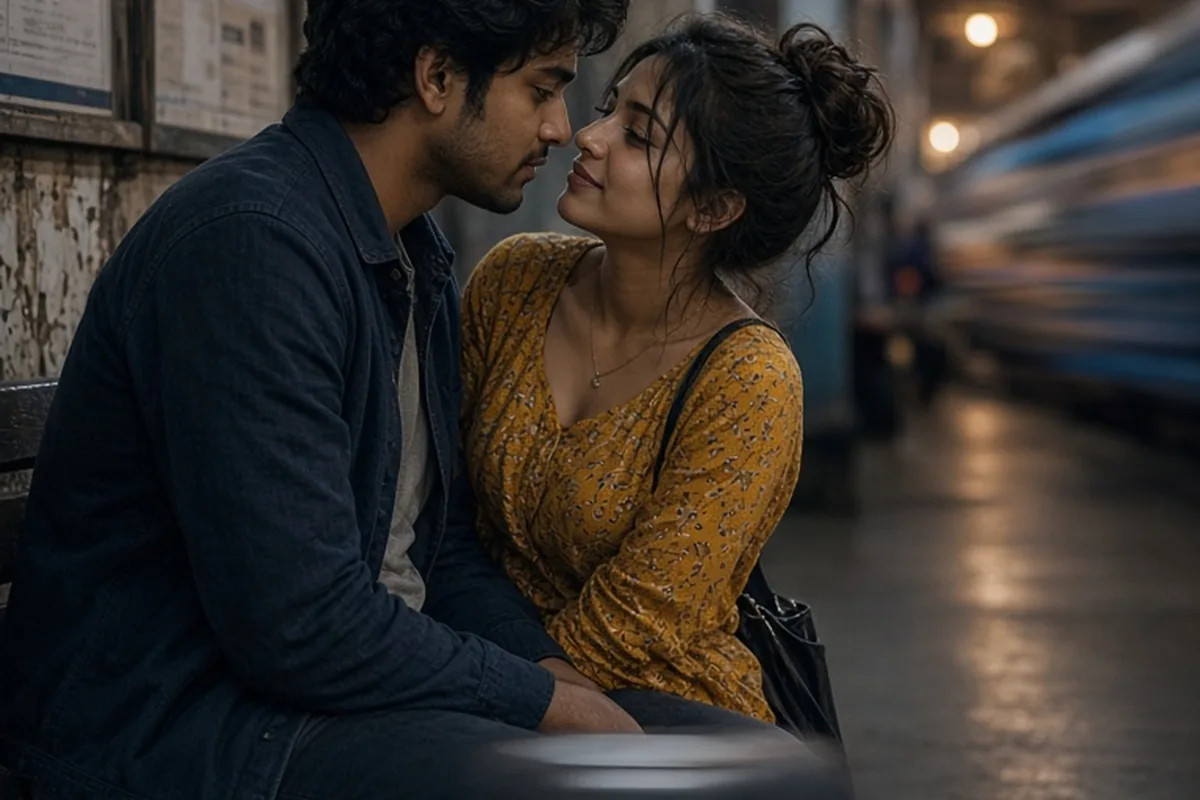
Bollywood refers to the Hindi-language film industry based in Mumbai, India, celebrated globally for its vibrant blend of melodrama, music, intricate family dynamics, and grand romantic narratives. More than just entertainment, it reflects evolving social values, combining classical Indian theatrical traditions with contemporary cinematic techniques to tell emotionally resonant stories about love, duty, personal identity, and cultural transformation across generations.
While frequently recognized around the world for sweeping musical sequences and grand visuals, Bollywood is an expansive, century-old cinematic tradition that encompasses everything from poignant social realism to epic love stories. Understanding its unique narrative grammar, cultural subtext, and artistic evolution allows viewers to appreciate how Hindi cinema captures both timeless human connections and the complexities of modern life.
The Cultural Origins and Thematic Core of Hindi Cinema
The term Bollywood, a blend of Bombay (now Mumbai) and Hollywood, represents the commercial Hindi-language film industry. Its storytelling roots trace back far beyond modern commercial filmmaking to ancient Indian performing arts, particularly the Sanskrit dramatic tradition of the Natyashastra. This classical heritage emphasizes the concept of 'rasa'—the deliberate evocation of distinct emotional flavors such as love, sorrow, courage, wonder, and humor within a single artistic experience. Unlike many Western cinematic conventions that prioritize single-genre consistency, Hindi cinema traditionally embraces a multi-genre format known as the 'masala' film, weaving romance, action, comedy, and family drama into an expansive narrative arc.
Recognizing this structural foundation helps viewers understand why Bollywood films often favor heightened emotionality over stark minimalism. In Hindi cinema, dramatic expressions, swelling orchestral scores, and expressive dialogue are not flaws in realism; rather, they are intentional stylistic choices designed to create communal resonance. The storytelling style treats cinema as a participatory and collective experience, inviting audiences to share openly in the triumphs, moral dilemmas, and heartbreaks of the characters on screen.
The Evolution of Romance and Relationship Dynamics on Screen
Romantic love has always served as the beating heart of Bollywood, but its portrayal has continuously shifted alongside Indian social norms. In the mid-twentieth century, romantic narratives often mirrored the struggles of a newly independent nation, centering on lovers divided by rigid class hierarchies, feudal barriers, or differing social backgrounds. By the 1990s, the genre evolved into family-centric romances, where the primary tension was not merely falling in love, but harmonizing individual romantic desire with deep respect for parental approval and cultural heritage. The central dilemma shifted from defying family to earning their blessing.
In modern Hindi cinema, romance has moved toward psychological depth, personal autonomy, and emotional realism. Contemporary screenplays routinely explore the complexities of live-in relationships, marital fatigue, personal boundaries, divorce, and independent female ambition. While traditional tropes of serendipity and love at first sight still exist in mainstream releases, filmmakers increasingly portray relationships as active, evolving negotiations between two distinct individuals rather than predestined, effortless fairy tales. The trade-off is that while modern films feel more grounded, they sometimes set aside the lyrical idealism that defined earlier eras.
Decoding the Purpose of Music, Lyrics, and Choreography
A common misconception among newcomers is that Bollywood musical numbers are random narrative interruptions designed solely for visual spectacle. In reality, songs in Hindi cinema function as essential narrative tools. Rooted in traditional folk theatre and Urdu poetic forms such as the ghazal, song sequences often serve as externalized internal monologues, revealing a protagonist's hidden desires, grief, or unspoken affection that societal etiquette prevents them from voicing aloud in dialogue.
Furthermore, song sequences frequently advance the plot through visual montage, representing transitions of time, shifting relationship stages, or psychological transformations within a matter of minutes. The industry relies on specialized playback singers—professional vocalists who record tracks that actors subsequently lip-sync during filming. To fully appreciate these sequences, viewers should pay close attention to the translated poetic lyrics and visual metaphors, which often contain deeper character insights than standard dialogue scenes provide.
The Centrality of Family, Duty, and Generational Change
In contrast to narrative traditions that focus almost exclusively on solitary individual quests, Bollywood stories are almost always anchored in the wider web of family and community. The household operates as a central dramatic stage where individual desires clash with collective responsibility, filial duty, and ancestral expectations. Characters frequently grapple with the friction between personal ambition and the emotional well-being of their elders, making familial reconciliation a pivotal climax in many classic and modern storylines.
Over the last decade, filmmakers have turned a more critical eye toward traditional family structures, using the screen to challenge patriarchal attitudes, rigid gender roles, and generational hypocrisy. Rather than depicting parents as infallible authority figures, contemporary films present them as flawed human beings learning to adapt to their children's changing realities. This ongoing negotiation between honoring one's roots and claiming personal independence remains one of the most compelling aspects of Hindi storytelling.
The Rise of Realism, New-Wave Cinema, and Streaming Platforms
Alongside commercial blockbusters, Hindi cinema has long fostered a rich counter-tradition of parallel cinema and social realism, pioneered by mid-century visionaries and revived by contemporary indie directors. In recent years, the gap between high-budget mainstream spectacles and low-budget artistic cinema has narrowed significantly. Audiences and creators alike have embraced grounded, regional settings, exploring small-town realities, political corruption, mental health, and nuanced character studies that avoid convenient moral binaries.
The expansion of global streaming platforms has accelerated this transformation, offering filmmakers the freedom to experiment with non-linear timelines, unconventional protagonists, and darker social themes without depending entirely on traditional box-office formulas. Consequently, modern viewers can easily choose between grand, star-driven melodramas and intimate, socially provocative films that challenge conventional cinematic boundaries.
Practical Approaches for Curating Your Viewing Experience
Exploring Bollywood's vast catalog can feel intimidating given the sheer volume of films produced each decade. To build a balanced understanding, it is helpful to approach the medium through thematic eras rather than attempting a strictly chronological viewing order. Starting with landmark films from distinct periods provides context on how visual styles, social themes, and narrative pacing have transitioned over time.
When watching, keep in mind that classic Hindi films are typically longer than standard Western features, traditionally designed with an interval (intermission) that splits the narrative into two distinct dramatic movements. Embracing this structure and utilizing well-translated subtitles for both dialogue and song lyrics will dramatically enhance your engagement with the emotional nuances of the narrative.
- Golden Age Classics: Focus on mid-century masterworks from directors like Guru Dutt and Raj Kapoor to understand foundational social allegories and expressive cinematography.
- Angry Young Man Era: Explore 1970s social-action dramas written by Salim-Javed to see how working-class disillusionment reshaped the screen hero.
- Romantic Era: Watch 1990s and early 2000s landmark love stories to experience the height of lavish family melodramas and iconic musical collaborations.
- Modern Realism and Satire: Seek out contemporary films from the 2010s onward that tackle social conventions, personal freedom, and everyday urban dilemmas.
Clarifying Common Industry Distinctions and Misconceptions
A vital distinction often overlooked by international audiences is that Bollywood is not synonymous with all Indian cinema. India is home to several distinct, prolific film industries separated by language, geography, and artistic style, including Telugu (Tollywood), Tamil (Kollywood), Malayalam (Mollywood), and Bengali cinema, among others. Each industry possesses its own cultural nuances, storytelling rhythms, and major creative voices.
Confusing Bollywood with the entire output of Indian filmmaking overlooks the distinct realism of Malayalam cinema or the grand mythic scale of recent Telugu blockbusters. Appreciating Bollywood accurately means recognizing it as specifically the Hindi-language creative ecosystem based in Mumbai, which actively dialogues with, influences, and draws inspiration from India's diverse regional cinematic landscapes.
Frequently asked questions
Why are traditional Bollywood movies generally longer than Western films?
Historically, Hindi films were designed as comprehensive entertainment packages featuring drama, music, comedy, and action separated by a formal intermission. This longer runtime allows directors to fully develop multi-character relationships, family subplots, and musical emotional interludes.
Do all Bollywood movies contain elaborate song and dance sequences?
No, while musical elements remain a hallmark of mainstream commercial cinema, many modern Hindi films, thrillers, and independent dramas omit dance sequences entirely or use songs only as background score. The industry features a broad spectrum ranging from grand musicals to minimalist realistic dramas.
What is the best way for a beginner to start watching Hindi cinema?
Begin by identifying a genre you already enjoy in other media, whether it is character-driven romance, gritty crime drama, or social comedy, and choose an acclaimed title from the past two decades. Make sure to watch with accurate subtitles that translate both spoken dialogue and song lyrics to fully capture the emotional depth.
Your next step
Select one acclaimed Hindi film from a genre you naturally enjoy, watch it with translated lyrical subtitles, and pay close attention to how music and family relationships shape the central conflict.