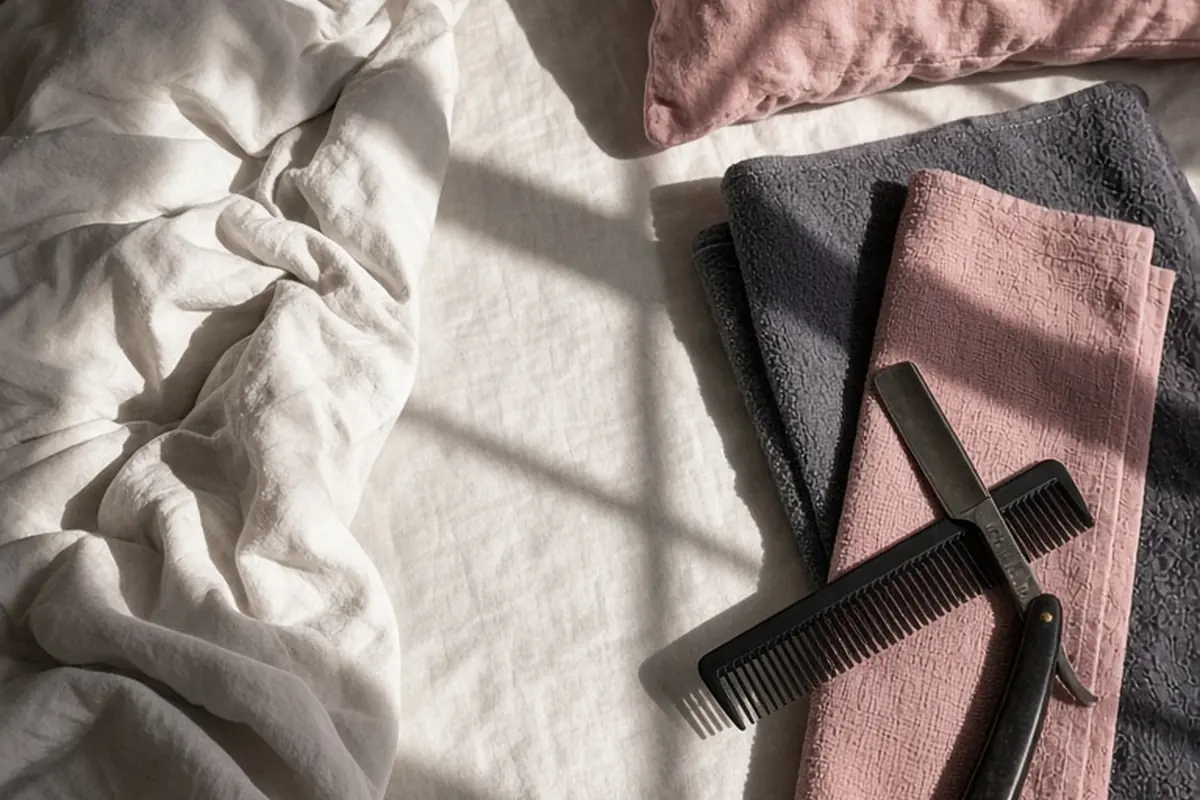
Yes, a barber can be a woman. Barbering is a skilled trade defined by technical expertise in short hair, fading, beard care, and straight-razor shaving rather than gender. Women have worked as barbers for generations and continue to earn state barber licenses, operate independent chairs, and own successful traditional and modern barbershops across the globe.
While historically perceived as a male-exclusive space, the barbering profession is defined by mastery of tools, geometry, and client service rather than the gender of the practitioner.
Barbering vs Cosmetology: Legal and Practical Distinctions
In the professional hair industry, the distinction between a barber and a cosmetologist is rooted in licensing, training scope, and state board regulations rather than gender. While cosmetologists receive broad training covering styling, chemical services, skin care, and basic haircutting, barbering programs specialize heavily in short-hair architecture, clipper mechanics, fading, and the use of a straight razor. State licensing boards regulate these credentials separately, establishing clear educational standards for hygiene, chemical safety, and blade sanitation that apply equally to every practitioner.
Women pursuing barbering typically enroll in dedicated barber colleges to gain specialized training with clippers, trimmers, and straight razors, particularly for facial shaving and beard design. Some individuals who already hold a cosmetology license complete crossover programs, which allow them to fulfill the specific shaving and safety hours required to earn a master barber license. Choosing the barber track allows women to concentrate on high-precision short hair design without spending tuition hours on services they do not intend to offer.
Understanding this legal distinction clarifies why woman barbers are fully recognized trade professionals. When a woman earns her barber license, she holds the exact same legal authority and credential to perform straight-razor shaves, beard treatments, and classic tapers as any male counterpart in the shop.
Mastering Core Barbering Techniques and Craftsmanship
The technical foundation of barbering revolves around precision cutting on shorter lengths of hair where structural mistakes are immediately visible. Achieving seamless fades requires an intimate understanding of guard sizes, lever play, taper lines, and blending boundaries. A skilled female barber learns to read diverse hair growth patterns, scalp contours, and densities, adapting clipper-over-comb and shear-over-comb methods to create clean, flattering silhouettes tailored to each client.
Beyond machine cutting, facial grooming and wet shaving represent central pillars of the trade. Mastering the straight razor requires developing precise muscle memory, proper blade angling at approximately thirty degrees, and disciplined skin stretching to prevent irritation or nicks. Performing hot lather applications, warm towel wraps, and cold towel finishes elevates a standard haircut into a complete sensory grooming service.
Technical proficiency also involves understanding the chemistry behind scalp tonics, astringents, aftershaves, and beard oils. Knowing how different ingredients interact with sensitive skin or coarse facial hair allows a barber to provide targeted aftercare recommendations, solidifying her reputation as a knowledgeable grooming specialist.
Navigating Shop Culture and Workplace Environments
Barbershops have traditionally served as neighborhood cultural hubs, featuring distinct social dynamics, lively conversations, and deeply loyal customer bases. Entering a predominantly male environment can occasionally present initial social hurdles for a woman, ranging from surprise among first-time walk-in clients to navigating established locker-room banter among staff. Establishing clear professional boundaries early ensures that the focus remains firmly on craft, customer experience, and mutual respect.
The modern grooming industry offers a diverse range of workplace environments, moving far beyond monolithic old-school shops. Today, female barbers work in high-end luxury grooming lounges, appointment-only private studio suites, unisex specialty shops, and traditional walk-in neighborhood establishments. Finding the right shop culture involves assessing whether the owner values continuous education, prioritizes professional hygiene, and maintains a welcoming atmosphere for all clients and staff members.
In many shops, having female barbers actively broadens the shop's demographic reach and enhances its community standing. A mixed-gender staff often creates a more comfortable environment for parents bringing in young children, clients seeking a more refined consultation experience, and customers who simply prioritize clean technical work over traditional shop stereotypes.
Overcoming Client Skepticism and Building Trust
Some female barbers encounter initial hesitation from first-time clients who may have never received a haircut or beard trim from a woman. When a walk-in client enters a shop expecting a male barber, initial doubt can manifest as subtle questioning about experience or hesitation before sitting in the chair. Meeting these situations with calm professionalism, direct eye contact, and a structured consultation quickly neutralizes skepticism and establishes technical authority.
A thorough consultation is the most effective tool for gaining client confidence. By asking specific questions about past haircut issues, demonstrating head shape awareness, and clearly explaining the plan for the taper, neckline, and crown, a barber proves her competence before picking up her tools. When the client hears an analytical, confident assessment of their hair, apprehension gives way to trust.
Word-of-mouth growth accelerates rapidly once skeptical clients experience exceptional results. Clients who initially questioned a female barber's capability often become her most dedicated regulars, referring coworkers, friends, and family members because of the meticulous attention to detail and consistent service delivery they received.
Business Models, Booth Rental, and Shop Ownership
A career in barbering provides multiple paths toward financial independence and entrepreneurship. Most barbers begin under an hourly or commission-based pay structure, which offers stability while building a regular clientele. As their appointment books fill, many transition to booth rental models where they pay a fixed weekly fee for their chair, retain one hundred percent of their service earnings, and set their own schedule and pricing.
Beyond chair rental, an increasing number of women are opening their own barbershops, operating multi-chair businesses, and launching specialized grooming brands. Ownership involves managing commercial leases, hiring and mentoring staff, maintaining health inspection compliance, and driving digital marketing campaigns. Operating an independent shop allows an entrepreneur to establish her own brand identity, curated aesthetic, and service standards.
Financial longevity in the trade also benefits from diversifying income streams. Successful barbers supplement service revenue by retailing premium beard balms, pomades, and scalp treatments, as well as hosting technical education workshops or mentoring apprentices preparing for state board examinations.
Ergonomics, Tool Selection, and Physical Longevity
Barbering is a physically demanding trade that involves standing for long hours, maintaining static shoulder elevation, and performing repetitive wrist motions. Developing healthy ergonomic habits early in a career protects the joints, spine, and tendons from chronic strain, carpal tunnel syndrome, or postural fatigue. Adjusting hydraulic chair heights so clients are positioned at optimal working levels prevents unnecessary bending and hunching.
Tool selection plays a major role in physical comfort and cutting precision. Professional clippers, cordless trimmers, and shears come in various weights, motor configurations, and grip profiles. Selecting lighter cordless machines, ergonomic rotary shears, and balanced straight razors reduces hand strain and allows for fluid, controlled movements throughout an eight-hour shift.
Incorporating targeted wrist stretches, wearing supportive footwear with orthotic insoles, and utilizing cushioned anti-fatigue floor mats are essential practices for sustained career health. Pacing appointment schedules with adequate breaks ensures that both energy levels and technical quality remain high from the first morning client to the final evening cut.
Frequently asked questions
Is there a specific title for a female barber?
No specific title is required; she is called a barber. While some people historically used terms like lady barber, the industry standard title based on licensing and professional training is simply barber.
Can a licensed cosmetologist work in a barbershop without a barber license?
In many jurisdictions, licensed cosmetologists can work in barbershops to cut and style hair. However, performing straight-razor facial shaves usually requires a barber license or a completed crossover credential under state regulations.
How long does it take to complete barber school?
Most barber programs require between one thousand and two thousand training hours depending on state requirements, which typically takes seven to fifteen months of full-time study. Cosmetology crossover programs are significantly shorter, often taking only a few months to complete.
What should an aspiring female barber look for in a trade school?
Look for an accredited institution with high state board pass rates, structured straight-razor training, and a busy student clinic floor that ensures plenty of live-model cutting practice.
Your next step
Visit local barber colleges and reputable shops in your area to observe daily operations, speak with working professionals, and evaluate which licensing pathway matches your career goals.