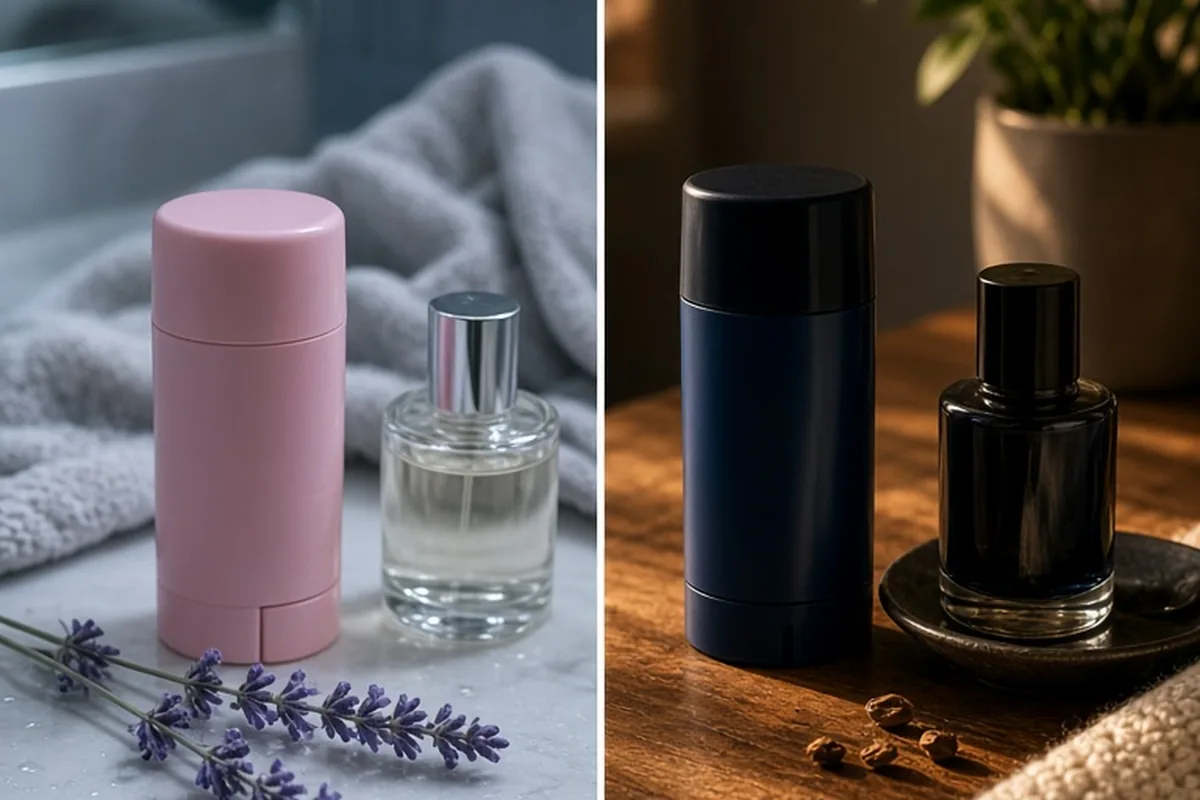
Yes, a woman can safely and effectively wear men's deodorant or antiperspirant. The active ingredients that neutralize body odor and reduce underarm moisture are chemically identical across genders. The primary differences lie in marketing, packaging, fragrance profiles, and sometimes product volume or pricing. Choosing men's deodorant comes down to personal scent preference, skin tolerance, and finding a formula that matches your daily sweat protection needs.
Many shoppers notice sharp contrasts in the personal care aisle, from pastel floral sticks to bold, musky blocks labeled for men. Understanding what actually separates these products helps you choose based on performance and skin comfort rather than traditional gender divisions.
Active Ingredients and How Deodorants Work Across Genders
The functional mechanics of underarm products are universal. Underarm sweat is produced by two types of sweat glands: eccrine glands, which secrete mainly water and salt to cool the body, and apocrine glands, which open into hair follicles and secrete a thicker fluid rich in proteins and lipids. Body odor occurs when natural skin bacteria metabolize these apocrine secretions. Antiperspirants manage this process by using aluminum-based active compounds to form temporary superficial plugs within sweat ducts, whereas pure deodorants rely on antimicrobial ingredients and fragrances to suppress bacterial growth and mask odor.
These biochemical processes occur in the exact same manner regardless of biological sex. Over-the-counter antiperspirants for both men and women utilize identical active ingredients, such as aluminum zirconium trichlorohydrex GLY, aluminum chlorohydrate, or aluminum sesquichlorohydrate. Regulatory standards establish the same allowable active ingredient concentrations across all adult products. There is no underlying physiological reason that prevents a woman's body from processing or benefiting from the active compounds found in men's grooming sticks.
While product advertising frequently implies that men produce a fundamentally different type of sweat that necessitates industrial-strength chemical barriers, everyday efficacy depends on individual sweat rates and bacterial balance. A woman who participates in high-intensity athletics or manages naturally heavy perspiration may find standard commercial formulas insufficient, while a sedentary man may need minimal moisture protection. Reading the drug facts label on the back of any stick reveals that the primary active ingredients remain standardized across aisles.
Scent Profiles and Personal Skin Chemistry
The most apparent distinction between men's and women's underarm products is fragrance design. Mainstream women's lines frequently highlight sweet, fruity, or delicate floral notes, including lavender, vanilla, rose, powder, and cucumber melon. In contrast, men's deodorants routinely feature deeper aromatic, woody, herbal, and aquatic profiles such as cedarwood, sandalwood, vetiver, bergamot, eucalyptus, and clean marine accords.
Fragrance notes interact uniquely with individual skin chemistry, warmth, and natural sebum production. A scent that feels intense or sharp directly from the container often softens into a subtle, pleasing aroma once warmed by the body. Many women find that earthy, herbal, or citrus notes harmonize more effectively with their skin chemistry and personal fine fragrances than sweet, powdery scents. If you naturally prefer unisex, crisp, or woody perfumes, selecting a men's deodorant often creates a cleaner, more coherent scent profile throughout the day.
It is also useful to consider fragrance intensity. Some men's deodorants are engineered with higher fragrance loads intended to project noticeably over several hours. If you prefer your underarm care to remain discreet so it does not clash with your favorite perfume or lotion, you can seek out lighter men's varieties, such as clean aquatic notes, or choose completely unscented formulas that deliver sweat protection without competing aromas.
Texture, Formats, and Application After Shaving
Product texture and carrier bases often reflect different shaving habits within target demographics. Because men are historically less likely to shave their underarms, men's deodorants are often formulated to glide smoothly through underarm hair without matting or leaving heavy residue. This leads to widespread availability of clear gels, smooth solid sticks, and aerosol sprays with lightweight silicone or alcohol bases. Women's lines, which assume frequent razor use, commonly incorporate conditioning agents such as dimethicone, mineral oil, or plant-derived emollients to soothe freshly shaved skin.
If you shave your underarms regularly, transitioning to certain men's formulas calls for a quick review of the ingredient list. High-alcohol clear gels or concentrated aerosol sprays can cause an uncomfortable stinging sensation if applied immediately onto micro-abraded or razor-burned skin. On the other hand, traditional solid white sticks designed for men generally rely on gentle waxes and soothing emollients that apply comfortably without triggering irritation.
Adjusting your application routine can optimize both comfort and performance. Applying an antiperspirant at night on clean, completely dry skin gives the active ingredients time to settle into sweat ducts while your sweat glands are least active. This overnight application also minimizes the chance of post-shaving friction or stinging the following morning. For those who choose aluminum-free formulas, men's natural solid sticks made with shea butter, plant oils, and arrowroot powder can provide reliable friction defense without drying alcohols.
The Pink Tax and Price-Per-Ounce Realities
A practical reason many women explore men's personal care products is cost efficiency. Consumer goods marketed toward women frequently carry higher price tags per unit of weight than comparable items marketed toward men, a pricing disparity widely recognized as the pink tax. Standard women's deodorant containers typically hold between 2.1 and 2.6 ounces of product, whereas standard men's containers often provide 3.0 to 3.8 ounces at an equivalent or lower retail price.
Over months of regular daily use, these volume and pricing discrepancies add up to noticeable differences in your annual personal care budget. Opting for a larger stick from the men's section delivers greater product longevity and reduces packaging waste per ounce of formula. Furthermore, the broader applicator surface typical of men's sticks can cover underarm skin quickly and evenly, providing a comfortable daily application.
To identify the best value, check the unit price displayed on shelf tags or online listings. Shoppers often find that purchasing multi-packs of men's antiperspirant or deodorant provides substantial financial savings without compromising on sweat defense or ingredient safety. Approaching personal hygiene products from a gender-neutral standpoint allows you to prioritize volume, ingredient performance, and value above packaging color.
Antiperspirant vs. Deodorant Choices and Formulation Strengths
Selecting the right product requires distinguishing between moisture reduction and odor control. An antiperspirant contains aluminum salts designed to reduce the physical flow of sweat, making it ideal for high humidity, intense physical workouts, or heavy natural perspiration. A pure deodorant contains no aluminum and does not prevent sweating; instead, it uses antibacterial agents to inhibit odor-causing microbes and fragrance to keep you feeling fresh.
Both product types exist in multiple strength categories across men's product lines. If you deal with heavy sweating, men's clinical-strength antiperspirants typically contain 20% aluminum zirconium compounds, which matches the maximum concentration found in women's clinical formulations. The primary variation between these clinical options remains the packaging style and added fragrance rather than any deeper medicinal difference.
For those who prefer aluminum-free natural formulations, men's natural deodorant sticks often feature sturdy, moisture-absorbing ingredients like magnesium hydroxide, zinc ricinoleate, and botanical starches. These formulas frequently maintain structural integrity well throughout hot weather and rigorous activity, making them a practical alternative for anyone seeking dependable non-aluminum odor management.
How to Transition and Test for Skin Tolerance
Whenever you introduce a new personal care product to your routine, taking a cautious approach helps avoid contact dermatitis or localized sensitivity. Underarm skin is relatively thin, sensitive, and subject to constant friction from body movement and clothing seams. Performing a simple patch test on your inner forearm or a small section of underarm skin before full application allows you to verify that your skin tolerates the formula.
Monitor the test area for 24 to 48 hours for signs of sensitivity, such as redness, itching, bumps, or flaking. Skin reactions are almost always tied to specific fragrance blends, preservatives, or high concentrations of sodium bicarbonate (baking soda) in natural sticks, rather than the product's gender categorization. If your skin remains calm and comfortable, you can safely incorporate the product into your regular daily regimen.
If you are switching from an aluminum-based antiperspirant to an aluminum-free men's natural deodorant, expect a brief adaptation period. Your underarms may experience a temporary shift in moisture levels and skin microbiome balance over one to two weeks. Keeping a compact stick in your gym bag or desk for a quick midday reapplication can help maintain comfort while your skin adjusts to the new formula.
Frequently asked questions
Will men's deodorant cause irritation if I shave my underarms daily?
Most solid stick deodorants designed for men will not cause irritation after shaving. However, clear gels and aerosol sprays with high alcohol content can sting freshly shaved skin. Applying the product on clean, dry skin at night or choosing soothing solid formulas can help prevent razor sensitivity.
Is men's antiperspirant inherently stronger than women's formulas?
No, men's antiperspirants are not inherently stronger than women's products. Both lines use the same regulated active aluminum compounds at comparable percentage concentrations. Strength depends on whether you select an everyday, extra-strength, or clinical-strength formula rather than the gender on the label.
Can using men's deodorant affect female hormones?
No, topical deodorants and antiperspirants do not alter human hormone levels. The active ingredients and cosmetic carrier bases function topically on the outer layer of the skin and in sweat ducts. They do not contain testosterone or influence endocrine function.
How can I prevent a men's deodorant fragrance from clashing with my perfume?
Choose men's products with clean, minimalist notes like bergamot, light cedar, or fresh linen that complement your personal perfume. Alternatively, opt for an unscented men's antiperspirant or deodorant to gain the volume and price benefits without any added aroma.
Your next step
Inspect the active ingredient percentages and unit price on your next shopping trip, and select the underarm formula whose scent, texture, and price fit your lifestyle best.