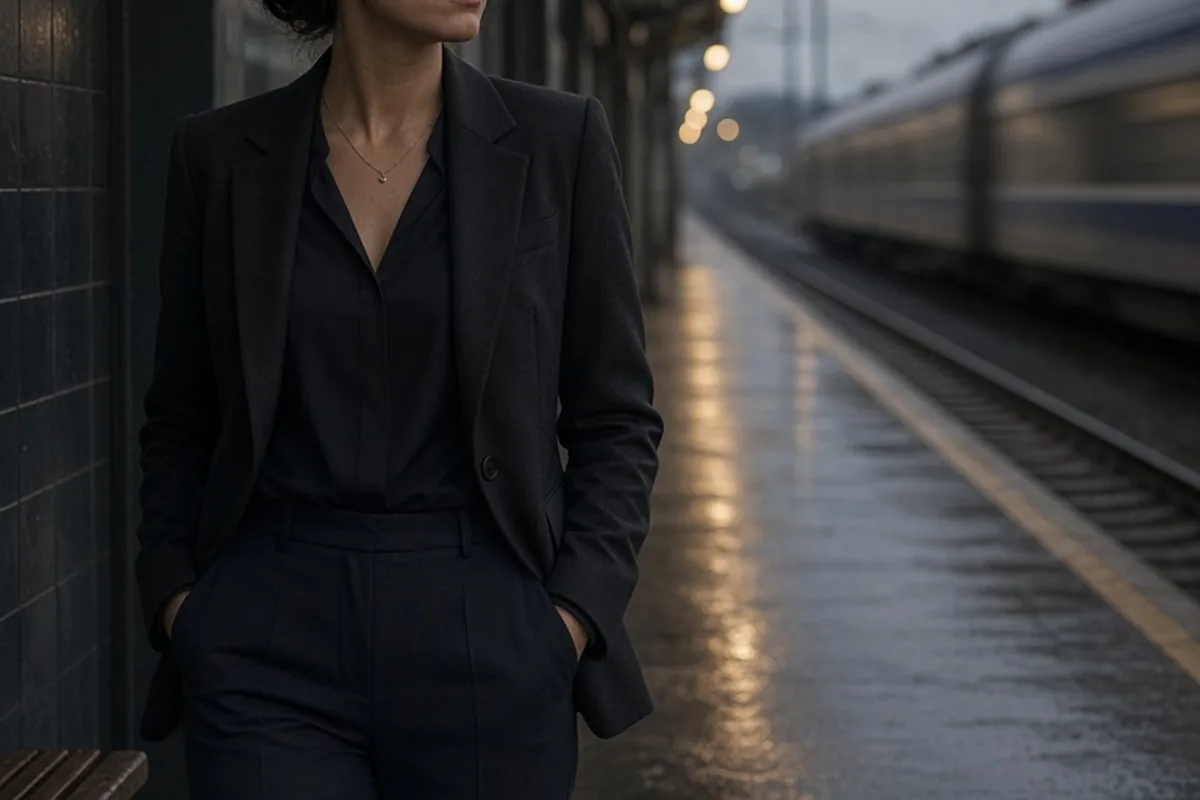
Yes, women can wear pants to a funeral. Modern etiquette considers tailored pantsuits, dress slacks, and dark, structured trousers fully appropriate for memorial services. The key is choosing respectful, modest silhouettes in dark or muted tones such as black, navy, charcoal, or dark olive, paired with conservative tops, subtle accessories, and practical footwear.
Attending a funeral or memorial service often brings emotional stress, and deciding what to wear should not add to that burden. While historical dress codes once expected women to wear dark dresses or skirts, contemporary etiquette focuses on showing honor, reverence, and support through polished and understated attire.
Modern Etiquette Standards for Women's Funeral Attire
Funeral attire has evolved significantly over the past several decades. While dark skirts and formal dresses were once standard for female mourners, tailored trousers and pantsuits are now widely accepted across most cultures and communities. Today, the fundamental purpose of funeral clothing is to show respect for the deceased and comfort for the grieving family. Achieving that objective depends on neatness, solemnity, and modesty rather than wearing a skirt.
When choosing an outfit, the overall tone matters far more than whether your lower half is clad in fabric separates or a dress. A well-tailored pair of dress slacks paired with a structured blazer or modest blouse conveys equal, if not greater, formality than a casual dress. Dressing appropriately communicates that your focus is on honoring the life of the person who passed, rather than drawing attention to yourself.
The primary boundary to keep in mind is the difference between professional or dressy trousers and casual wear. While dress pants are entirely appropriate, overly casual garments like athletic pants, distressed jeans, or loungewear remain inappropriate for traditional memorial gatherings.
Choosing the Right Cut, Fit, and Fabric
The fit and fabric of your trousers dictate how formal and respectful the outfit appears. Structured fabrics such as wool blends, crepe, heavy ponte knit, linen blends for warm weather, and quality polyester weaves hold their shape well and present a dignified look. Clingy, thin, or sheer materials should generally be avoided because they tend to look overly informal or revealing.
In terms of cut, classic silhouettes offer the most dependable choices. Straight-leg trousers, wide-leg dress pants, subtle bootcuts, and tapered ankle-length slacks all fit comfortably within standard funeral etiquette. The goal is to choose a cut that allows for comfortable movement while maintaining clean lines. Extremely low-rise pants, heavily distressed edges, or excessively tight fits can feel out of place in a solemn environment.
Consider practical logistics when evaluating pant length. If the service involves walking across grass at a cemetery or climbing steep church steps, hem your trousers to match the specific footwear you plan to wear. Trousers that drag on the ground can quickly become soiled or create a tripping hazard during outdoor ceremonies.
Selecting Respectful Colors and Subtle Patterns
Traditional black remains the standard choice for funeral attire, but it is by no means the only option. Deep neutral tones such as navy blue, slate gray, charcoal, espresso brown, and dark forest green are equally respectful alternatives. These subdued shades reflect the solemn nature of the occasion without appearing harsh or monotone.
If you prefer to wear patterns, keep them minimal and discreet. Subtle pinstripes, micro-houndstooth, tonal plaid, or gentle texture weaves work well when balanced with solid garments. Bright, energetic prints such as tropical patterns, neon accents, high-contrast animal prints, and bold geometric shapes should be reserved for other occasions unless the family specifically requests a colorful dress theme.
When attending a celebration of life where brighter colors are requested by the bereaved family, softer tones like dusty rose, sage green, cornflower blue, or soft lavender are safe ways to embrace the spirit of the event while maintaining decorum.
Coordinating Tops, Blazers, and Outerwear
Pairing your trousers with the right upper layers creates a balanced, unified look. A classic pantsuit is one of the simplest solutions because it provides immediate structure and formality. Alternatively, you can pair standalone dress trousers with a tailored blazer, a button-down shirt, a modest cowl-neck blouse, or a fine-gauge knit sweater.
Modesty remains an important consideration for funeral tops. Look for high crewnecks, boatnecks, collared shirts, or conservative V-necks that provide adequate chest coverage. Sleeveless tops can be worn if layered beneath a jacket, cardigan, or wrap, but bare shoulders may feel underdressed inside traditional places of worship.
Weather often dictates outer layers, especially for services with graveside components. Trench coats, tailored wool overcoats, dark cardigans, and cashmere wraps in neutral hues layer seamlessly over pants. Avoid brightly colored athletic parkas or utility jackets when possible, opting instead for clean-lined coats in black, navy, or camel.
Selecting Practical Footwear and Understated Accessories
Footwear must balance polish with physical comfort. Funerals frequently require extended periods of standing, walking across uneven ground, and navigating outdoor elements. Block heels, elegant flats, leather loafers, dressy ankle boots, and low wedges pair naturally with trousers while offering stability.
High stiletto heels can easily sink into damp cemetery turf, causing damage to the shoes and discomfort for the wearer. Similarly, casual footwear such as athletic sneakers, flip-flops, and beach sandals should be avoided. If extreme winter conditions require snow boots, consider changing into dress shoes once inside the venue if facilities allow.
Accessories should complement your attire quietly without creating visual or auditory distractions. Small stud earrings, simple pendant necklaces, delicate watches, and structured handbags in neutral leather or fabric work best. Avoid noisy bangle bracelets or overly reflective jewelry that could draw attention during moments of silence.
Navigating Religious, Cultural, and Family Expectations
While secular and mainstream Western services embrace pants for women, certain religious or cultural traditions maintain specific dress codes. For example, traditional Orthodox Jewish services, traditional Greek Orthodox congregations, and certain conservative Christian denominations may hold customary expectations for women to wear modest skirts or dresses that fall below the knee.
Similarly, some Eastern traditions associate white, rather than black, with mourning, while others require head coverings upon entering sacred spaces. If you are attending a service in a religious tradition unfamiliar to you, checking the venue's guidelines or the host family's public announcement can provide quick clarity.
When in doubt, reaching out to a mutual acquaintance, checking the funeral home's website, or consulting an usher before the service begins can help you navigate specific customs respectfully without placing unnecessary logistical questions on the immediate family during their time of grief.
Complete Outfit Formulas for Different Services
Having reliable outfit templates can simplify preparation when getting ready for a service. Depending on the setting and formality of the gathering, different combinations of trousers and layers provide comfortable and polished options.
Here are three practical outfit formulas suitable for various memorial settings:
For a traditional church or chapel service, a monochrome black or navy pantsuit paired with a cream silk blouse, closed-toe block heels, and small pearl or silver studs provides timeless formality.
For an outdoor graveside service in cooler weather, charcoal wool-blend trousers worn with a black turtleneck, a tailored wool overcoat, flat leather ankle boots, and an understated scarf balance warmth with reverence.
For an informal memorial or celebration of life, dark navy or espresso ankle slacks matched with a fine-knit cardigan, a soft neutral shell blouse, and pointed-toe leather flats create an approachable yet respectful look.
- Traditional indoor service: Matching tailored pantsuit, conservative blouse, low heels or dress flats, and minimalist jewelry.
- Graveside or outdoor gathering: Structured wool or ponte trousers, warm knit top, weather-appropriate tailored coat, and stable flat boots.
- Celebration of life: Dark neutral trousers, soft-toned blouse or fine cardigan, and polished loafers or dress flats.
Frequently asked questions
Can I wear dark jeans or black denim to a funeral?
Plain, solid black jeans without distressing, fading, or raw hems can work for very casual or informal memorial services if paired with a blazer and dress shoes. However, for traditional or religious funerals, dress slacks or tailored trousers remain the safer and more respectful choice.
Are wide-leg or cropped culotte pants appropriate for a service?
Tailored wide-leg trousers in structured, dark fabrics are fully acceptable and look very elegant. Cropped dress slacks that hit around the ankle are also suitable, provided they are neat and styled with formal footwear rather than casual sandals.
What should I wear if the family requests bright colors instead of dark clothing?
When a family specifically asks guests to wear color to celebrate a life, you can choose tailored trousers in navy, tan, or soft gray paired with a colorful blouse. Alternatively, a pantsuit in a soft pastel or rich jewel tone honors the family's wishes while maintaining an appropriate, polished shape.
Your next step
Choose a pair of well-tailored trousers in a dark or neutral tone, pair them with a modest top and comfortable dress shoes, and check the venue's setting to finalize your outfit.