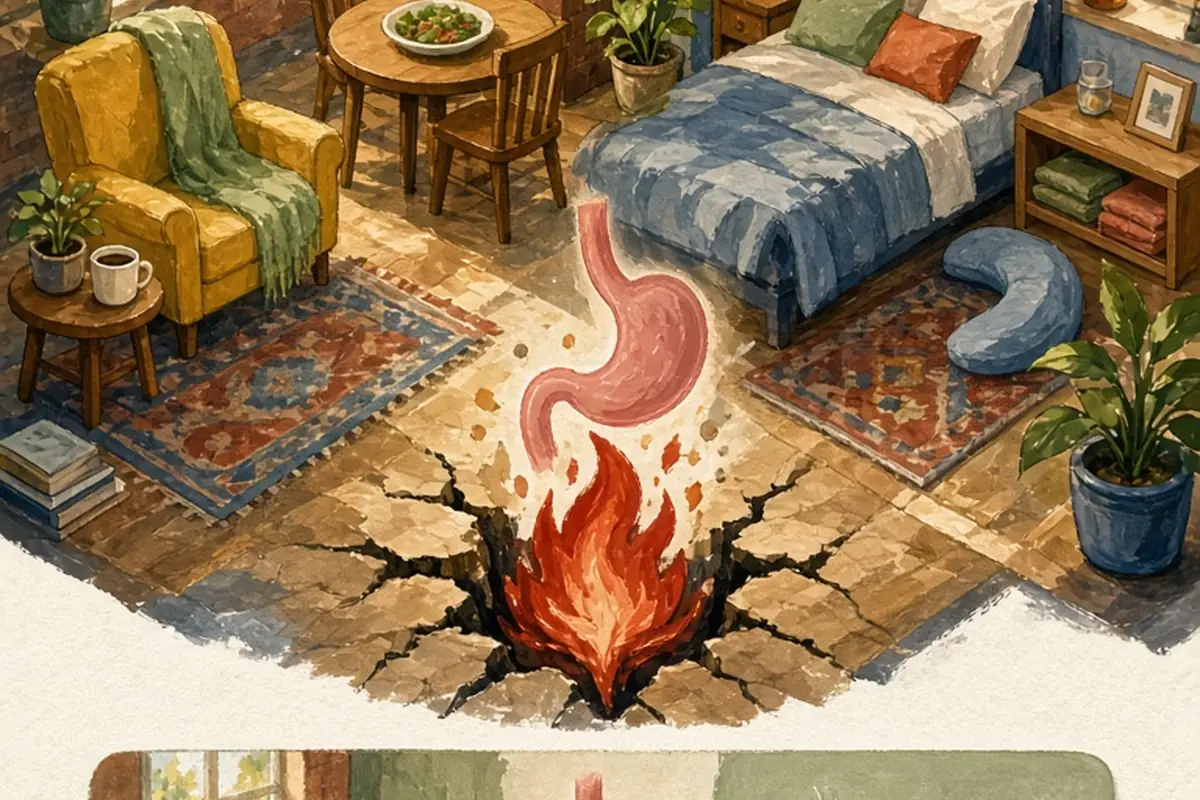
Hormonal fluctuations during perimenopause and menopause can contribute to acid reflux and heartburn. Declining estrogen and progesterone levels affect muscle tone throughout the digestive tract, which can allow the lower esophageal sphincter to relax more easily and let stomach acid rise. Slower digestion, stress, weight changes, and sleep disruptions during this transition can also intensify reflux symptoms, making targeted dietary and lifestyle adjustments helpful.
Experiencing frequent heartburn, an acidic taste, or a burning sensation in your chest can be unexpected during midlife, especially if digestive issues were never a concern in previous years. Understanding the connection between midlife hormonal transitions and digestive changes makes it easier to navigate daily discomfort with practical, low-stress adjustments.
How Hormonal Shifts Influence Esophageal Muscle Tone
Reproductive hormones interact with smooth muscle tissues throughout the entire body, including the digestive tract and the lower esophageal sphincter. This sphincter functions as a muscular valve between the esophagus and the stomach, opening to allow food to pass downward and closing tightly to keep gastric juices from traveling upward. As estrogen and progesterone fluctuate and generally decline during perimenopause and menopause, the tone and responsiveness of this muscular ring can decrease. When the sphincter relaxes inappropriately or fails to seal firmly, acidic stomach contents can seep back into the delicate lining of the esophagus.
In addition to weakening sphincter tone, changing hormone levels often slow the overall rate of gastrointestinal motility. When gastric emptying slows down, food remains in the stomach for longer intervals following meals, creating sustained internal pressure that pushes against the weakened barrier. For example, a dinner that once digested easily might sit heavily for several hours, increasing the likelihood of post-meal burning or regurgitation. While hormonal shifts create a physical vulnerability to reflux, they operate alongside daily lifestyle factors, meaning that small adjustments to routine can provide meaningful digestive relief.
Common Dietary Triggers and Sensitivities During Midlife
During the menopausal transition, the digestive lining can become more sensitive to chemical and mechanical irritants found in everyday meals. Foods that contain high levels of acid, such as citrus fruits, raw tomatoes, and vinegar-based dressings, directly irritate an already inflamed esophageal mucosal barrier. Similarly, high-fat meals and deep-fried dishes require prolonged digestion time and stimulate the release of digestive hormones that further relax the lower esophageal sphincter, setting the stage for prolonged discomfort after eating.
Beverages and culinary staples like dark roast coffee, black tea, peppermint, chocolate, and alcohol also reduce esophageal sphincter tension while simultaneously stimulating gastric acid secretion. For instance, enjoying a glass of red wine alongside a rich, late dinner can create a dual trigger by delaying digestion and relaxing the muscular barrier simultaneously. Identifying personal food sensitivities does not require eliminating every favorite item forever, but rather recognizing which specific items trigger discomfort so you can adjust portion sizes or swap in gentler alternatives.
- Replacing citrus-heavy marinades with fresh herbs like basil, oregano, and rosemary.
- Selecting lean proteins such as poultry, fish, tofu, or lentils rather than heavily marbled cuts.
- Choosing low-acid fruits like melons, bananas, and pears in place of grapefruits or oranges.
- Opting for warm herbal infusions like chamomile or ginger instead of high-caffeine beverages.
Nighttime Reflux, Sleep Disruption, and Elevation Techniques
Nighttime acid reflux is especially common during menopause, often intersecting with hot flashes, night sweats, and frequent awakenings. When you lie flat in bed, gravity can no longer assist in keeping stomach acid inside the gastric cavity. This allows acid to travel easily along the length of the esophagus, which may trigger nighttime coughing, a sour taste upon waking, a chronic morning sore throat, or sudden awakenings accompanied by intense chest discomfort.
Relying solely on extra pillows under the head is rarely effective because bending the neck can compress the stomach and worsen internal upward pressure. A far more effective physical solution is elevating the entire upper torso by six to eight inches using an ergonomic wedge pillow or secure bed risers under the front bedposts. Pairing torso elevation with an intentional three-hour fasting window before lying down ensures that the stomach has emptied most of its contents, significantly reducing the mechanical risk of nighttime regurgitation.
The Interplay Between Stress, Cortisol, and Digestive Sensitivity
The menopausal transition often coincides with elevated personal stress, career demands, and hormonal changes that influence the nervous system. The brain and the digestive system maintain constant communication through the gut-brain axis, and persistent stress triggers the release of cortisol and adrenaline. These stress hormones can alter normal gastrointestinal motility, diminish protective mucosal secretions in the stomach, and increase esophageal pain perception, making even modest amounts of acid feel noticeably sharper and more distressing.
Implementing straightforward nervous system regulation techniques around meal times can reduce esophageal sensitivity and support smooth digestive function. Taking five slow, deep diaphragmatic breaths before eating shifts the body out of a sympathetic fight-or-flight state and into a parasympathetic state that promotes proper digestion. Eating slowly in an undistracted environment, rather than rushing through lunch while working at a computer, allows digestive enzymes to release appropriately and minimizes swallowed air, which otherwise compounds stomach bloating and reflux.
Physical Habits and Wardrobe Adjustments to Lower Abdominal Pressure
Midlife changes in metabolic rate and hormonal balance often lead to shifts in body composition, with fat distribution commonly moving toward the abdomen. Increased intra-abdominal volume exerts continuous physical pressure upward against the stomach, forcing digestive acids toward the chest cavity. This mechanical strain is frequently exacerbated by everyday habits, such as wearing restrictive clothing or slouching in deep chairs immediately after dining.
Simple physical modifications can relieve this upward pressure throughout the day. Wearing comfortable clothing with flexible waistbands eliminates unnecessary compression around the midsection during work and relaxation. Additionally, taking a gentle ten-to-fifteen-minute walk after meals leverages gravity and gentle movement to promote downward digestive transit, avoiding the reflux-inducing effects of vigorous bending, heavy lifting, or lying down on the sofa immediately following lunch or dinner.
Navigating Medical Evaluations and Distinguishing Symptoms
While acid reflux is common and manageable through lifestyle adjustments, consulting a healthcare professional is essential for accurate evaluation and targeted care. Midlife women must be particularly vigilant about distinguishing digestive heartburn from cardiovascular issues, as cardiac events in women can present with subtle symptoms such as chest tightness, upper abdominal pressure, pain radiating to the jaw, neck, or left arm, unexplained breathlessness, cold sweats, or sudden fatigue. Any severe or unfamiliar chest pain warrants immediate medical attention.
When discussing recurrent reflux with a doctor, arriving with a structured record of your symptoms can accelerate finding an effective management plan. A physician can assess whether short-term over-the-counter remedies, prescription acid suppressants, or adjustments to other midlife therapies are appropriate. They can also screen for underlying conditions such as hiatal hernias or esophageal inflammation, ensuring your digestive wellness plan is safe, sustainable, and tailored to your specific health profile.
Illustrative Scenarios
Managing Midlife Heartburn Through Strategic Routine Changes
An illustrative composite scenario involves a woman in her early fifties who began experiencing frequent throat clearing, sleep disruptions, and sharp chest burning several evenings each week despite eating her usual diet. Suspecting a connection to her irregular cycles and hot flashes, she began noting her symptoms alongside meal timing, noticing that her late-night snacking and tight work trousers intensified the burning. By shifting her dinner two hours earlier, adopting an upper-body wedge pillow for sleep, and switching to looser waistbands, she reduced her weekly flare-ups significantly without complicated interventions.
Key point: Targeting mechanical pressure and meal timing creates measurable digestive relief even when baseline hormonal fluctuations make the lower esophageal sphincter more prone to relaxation.
Frequently asked questions
Will acid reflux resolve on its own once menopause is complete?
Reflux symptoms may stabilize as hormone levels settle into a steady postmenopausal baseline, but age-related changes in muscle tone and tissue elasticity mean the esophageal sphincter may remain slightly relaxed. Continuing proactive habits like mindful meal timing and abdominal comfort helps maintain long-term digestive ease. If symptoms persist or worsen, consulting a healthcare provider ensures that underlying causes are properly evaluated.
Can hormone therapy influence acid reflux symptoms?
Hormone therapy can have variable effects on the digestive system depending on the specific formulation, dosage, and delivery method used. Some individuals notice improvements in digestive comfort alongside better sleep and reduced vasomotor symptoms, while others find that certain progestogens relax smooth muscle tissue further. Anyone using or considering hormone therapy should discuss their reflux history with their prescribing clinician to find the most balanced option.
What are the most dependable home adjustments for sudden daytime heartburn?
Loosening tight clothing, standing or sitting upright, and sipping small amounts of lukewarm water can help clear acid from the esophagus during an acute flare-up. Chewing non-mint gum stimulates saliva production, which naturally contains bicarbonate to help neutralize stomach acid and encourage downward swallowing motions. If sudden discomfort does not improve or is accompanied by shortness of breath or dizziness, seek medical guidance promptly.
How can I tell the difference between menopausal heartburn and heart-related symptoms?
Heartburn typically feels like a burning sensation rising from the upper stomach into the chest, often occurring after eating, bending over, or lying down. In contrast, cardiovascular symptoms in women can involve diffuse chest pressure, shortness of breath, unexplained nausea, profound fatigue, or discomfort spreading into the back, neck, or jaw. Because these signs can overlap, any new, severe, or unexplained chest discomfort should be evaluated by a medical professional immediately.
Your next step
Start a seven-day journal tracking your meal times, specific foods, daily clothing choices, and reflux episodes to identify clear patterns, then shift your evening meal three hours before bedtime and schedule a discussion with your healthcare provider for personalized guidance.