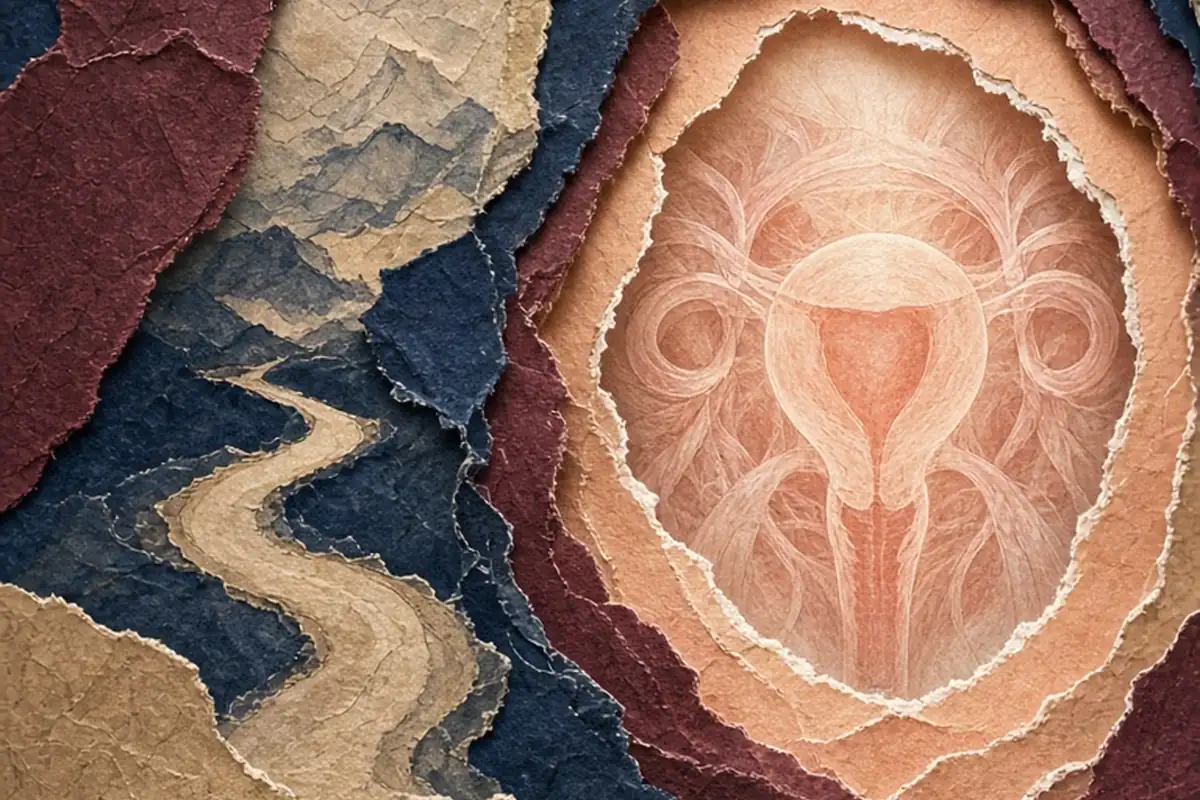
Yes, menopause can cause pelvic pain. Declining estrogen levels often lead to thinning, dry vaginal tissues and reduced pelvic floor support, which can create aching, cramping, or sharp discomfort. Other menopausal changes, such as urinary tract changes, pelvic floor muscle tension, and shifts in existing conditions like fibroids, can also contribute to persistent or intermittent pain throughout the pelvic region.
While hot flashes and irregular cycles are widely recognized hallmarks of the menopausal transition, unexpected pelvic discomfort catches many people off guard. Navigating this symptom requires understanding how lower hormone levels influence the muscles, connective tissues, and organs within the pelvis.
How Hormonal Shifts Affect Pelvic Tissues
During perimenopause and menopause, circulating estrogen decreases significantly. Estrogen plays a vital role in maintaining blood flow, elasticity, and cellular moisture throughout the reproductive tract. When estrogen levels drop, the lining of the vagina and lower urinary tract thins and becomes more fragile, a collection of changes often referred to as the genitourinary syndrome of menopause. This thinning makes the area far more vulnerable to micro-tears, irritation, and inflammation from normal daily friction, which often radiates as a dull, constant ache across the lower abdomen or deep within the pelvis.
In addition to surface-level thinning, the loss of estrogen affects collagen production and connective tissue resilience throughout the pelvic basin. Ligaments and supportive fascia that hold the bladder, uterus, and bowel in place can become less resilient over time. For example, someone who previously had no discomfort during daily walks might begin to experience a heavy dragging feeling in the pelvis by late afternoon as tired connective tissues struggle to support pelvic organs without robust hormonal signaling.
While tissue changes are common during menopause, it is important to recognize that their severity varies widely from person to person. A treatment that restores tissue comfort for one individual, such as a localized non-hormonal moisturizer, might provide only mild relief for someone experiencing more pronounced structural dryness. Balancing expectations involves working through different supportive measures methodically rather than assuming one product will solve every layer of tissue discomfort.
Pelvic Floor Muscle Dysfunction and Menopause
Pelvic discomfort during menopause is frequently tied to the muscular sling supporting the base of the torso. When vaginal tissues become dry or sensitive, the pelvic floor muscles often respond instinctively by clenching to guard against irritation. Over time, this chronic protective contraction leads to a hypertonic, or overly tight, pelvic floor. Instead of providing supportive stability, chronically tight muscles develop tender trigger points that refer pain into the hips, tailbone, lower back, and suprapubic region.
Conversely, some individuals experience pelvic floor laxity, where the muscles weaken and fail to provide adequate support against gravity. This can lead to pelvic organ prolapse, where the bladder, uterus, or rectum presses downward into the vaginal canal, generating a distinct sensation of heaviness or fullness that worsens after prolonged standing or lifting heavy objects.
A common mistake is assuming that all pelvic floor issues require Kegel exercises to strengthen the area. For someone dealing with hypertonic muscles, contracting the area further can actually intensify pain and make urination or sitting more uncomfortable. A proper evaluation by a specialized pelvic floor physical therapist can determine whether the muscles need targeted release and down-training or structured strengthening, preventing counterproductive self-treatment.
Urinary and Bladder Changes That Mimic Pelvic Cramps
The lower urinary tract shares the same embryological origin and estrogen receptors as the reproductive organs. As estrogen declines, the urethral lining thins and the local microbiome shifts, reducing natural defenses against irritation and bacterial colonization. This can result in recurrent urinary tract infections or non-infectious urethral syndrome, both of which present with lower pelvic aching, burning, and persistent pressure over the pubic bone.
Additionally, many people develop symptoms of an overactive bladder or interstitial cystitis-like sensitivity during menopause. The bladder wall can become hypersensitive to acidic foods, caffeine, or concentrated urine, triggering involuntary muscle spasms. These spasms often feel identical to deep menstrual cramps, causing confusion for individuals who believed their cramping days would end once their periods stopped.
Managing urinary-related pelvic discomfort often involves a combination of dietary tracking and medical evaluation. While increasing water intake helps dilute urine and reduce bladder wall irritation, drinking excessive fluid too quickly can overload an already sensitive bladder. Finding a balanced hydration routine and testing for hidden infections ensures that manageable bladder issues are not left to smolder into chronic pelvic distress.
The Evolution of Pre-Existing Gynecological Conditions
Conditions that caused pelvic pain during the reproductive years do not always disappear overnight when menopause arrives. Uterine fibroids, for instance, are estrogen-dependent and typically shrink after menopause, but during perimenopause, erratic hormone spikes can temporarily cause them to grow or degenerate. Degeneration occurs when a fibroid outgrows its blood supply, leading to localized tissue breakdown that produces sharp, acute pelvic aching and inflammation.
Similarly, conditions like endometriosis and adenomyosis rely on hormonal stimulation. While these conditions generally become less active once periods cease permanently, residual scar tissue, adhesions, and localized nerve sensitivity can continue to generate pain for years. Adhesions can tether organs together, causing pulling or tearing sensations during bowel movements, deep bending, or changes in posture.
Assuming that menopause serves as an instant cure for long-standing gynecological disorders can lead to frustration. Acknowledging that chronic tissue remodeling and nerve memory take time to settle helps set realistic timelines for recovery, while encouraging ongoing dialogue with a gynecologist to monitor structural changes over time.
Everyday Triggers That Can Exacerbate Discomfort
Pelvic pain in menopause often flares in response to specific daily activities and lifestyle factors that place mechanical or chemical stress on sensitive tissues. Identifying these triggers can help reduce symptom frequency without requiring drastic lifestyle overhauls.
Common daily triggers include:
Prolonged sedentary periods that restrict blood circulation through the pelvic basin
Penetrative intimacy without adequate lubrication or arousal time
High-impact exercise routines that place sudden downward pressure on unconditioned pelvic ligaments
Tight synthetic clothing that traps heat and increases friction against vulnerable external tissues
Chronic constipation, which causes full bowels to press directly on sensitive pelvic nerves and organs
Addressing these triggers involves small, consistent modifications. For example, switching to loose, breathable cotton garments, taking short walking breaks during desk work, and incorporating gentle mobility exercises can significantly reduce daily pelvic strain. Making these adjustments provides immediate practical relief while longer-term medical therapies take effect.
- Prolonged sedentary periods that restrict blood circulation through the pelvic basin
- Penetrative intimacy without adequate lubrication or arousal time
- High-impact exercise routines that place sudden downward pressure on unconditioned pelvic ligaments
- Tight synthetic clothing that traps heat and increases friction against vulnerable external tissues
- Chronic constipation, which causes full bowels to press directly on sensitive pelvic nerves and organs
Collaborative Treatment Options to Discuss with a Clinician
Addressing menopausal pelvic pain effectively requires an individualized plan developed in partnership with a healthcare provider. Because pain often stems from a combination of tissue thinning, muscular tension, and nerve signaling, a multi-modal approach yields the most reliable results. Openly discussing the exact timing, location, and quality of the pain gives your clinician the information needed to pinpoint the underlying drivers.
Medical options often begin with localized therapies. Low-dose vaginal estrogen creams, tablets, or rings deliver hormone therapy directly to the affected tissues with minimal systemic absorption, helping rebuild mucosal thickness, restore natural acidity, and soothe irritation. For those who cannot or choose not to use hormonal therapies, high-quality hyaluronic acid-based vaginal moisturizers and specialized pelvic floor physical therapy offer substantial non-hormonal relief.
Every medical strategy comes with trade-offs regarding convenience, cost, and personal health history. While localized estrogen is highly effective for tissue-level discomfort, it does not directly resolve deep muscle spasms without concurrent physical therapy. Evaluating your primary symptoms alongside your provider ensures that you invest time and resources into treatments targeted to your specific physical presentation.
Warning Signs That Require Prompt Medical Attention
While many causes of menopausal pelvic discomfort are benign and manageable, certain symptoms indicate a need for immediate clinical evaluation. Any postmenopausal vaginal bleeding—even light spotting or brownish discharge—is never considered a standard part of menopause and must be evaluated promptly to rule out endometrial hyperplasia or other serious uterine conditions.
Other critical red flags include sudden, severe pelvic pain accompanied by fever, chills, nausea, unexplained weight loss, or difficulty emptying the bladder or bowels completely. These signs can point to acute infections, ovarian issues, or severe prolapse requiring urgent care.
Keeping a concise symptom log that records the onset, intensity, and associated symptoms of your pelvic pain can help your healthcare team differentiate between chronic tissue changes and acute conditions. Seeking prompt care for warning signs ensures safety and prevents manageable complications from escalating.
Frequently asked questions
Can low estrogen directly cause abdominal cramping after menopause?
Yes, low estrogen can lead to thinning and inflammation in the pelvic organs and bladder, which can trigger muscle contractions that feel very similar to menstrual cramps. It can also cause surrounding pelvic floor muscles to tighten defensively, resulting in persistent lower abdominal aching.
How can I tell if pelvic pain is coming from muscles or internal organs?
Muscular pain often fluctuates with posture, walking, or prolonged sitting, and it may feel like a deep, tight ache with specific tender spots. Organ-related pain often correlates with bladder filling, bowel movements, or localized friction, though an evaluation by a physician or pelvic physical therapist is necessary to confirm the source.
Is pelvic pain during or after intimacy normal during menopause?
While discomfort during intimacy is common due to decreased natural lubrication and tissue thinning, it is not something you have to accept as inevitable. Using dedicated vaginal moisturizers, silicone-based lubricants, or localized estrogen therapies can restore comfort and protect delicate tissues.
When should I see a doctor about pelvic pain in menopause?
You should schedule a consultation whenever pelvic pain interferes with your daily activities, sleep, or intimate life. Seek prompt medical care immediately if you experience any postmenopausal bleeding, sudden severe pain, fever, or difficulty urinating.
Your next step
Start by tracking your symptoms for two weeks, noting when the pain occurs and what activities trigger it, then schedule an appointment with your gynecologist or a pelvic floor physical therapist to develop a targeted care plan.