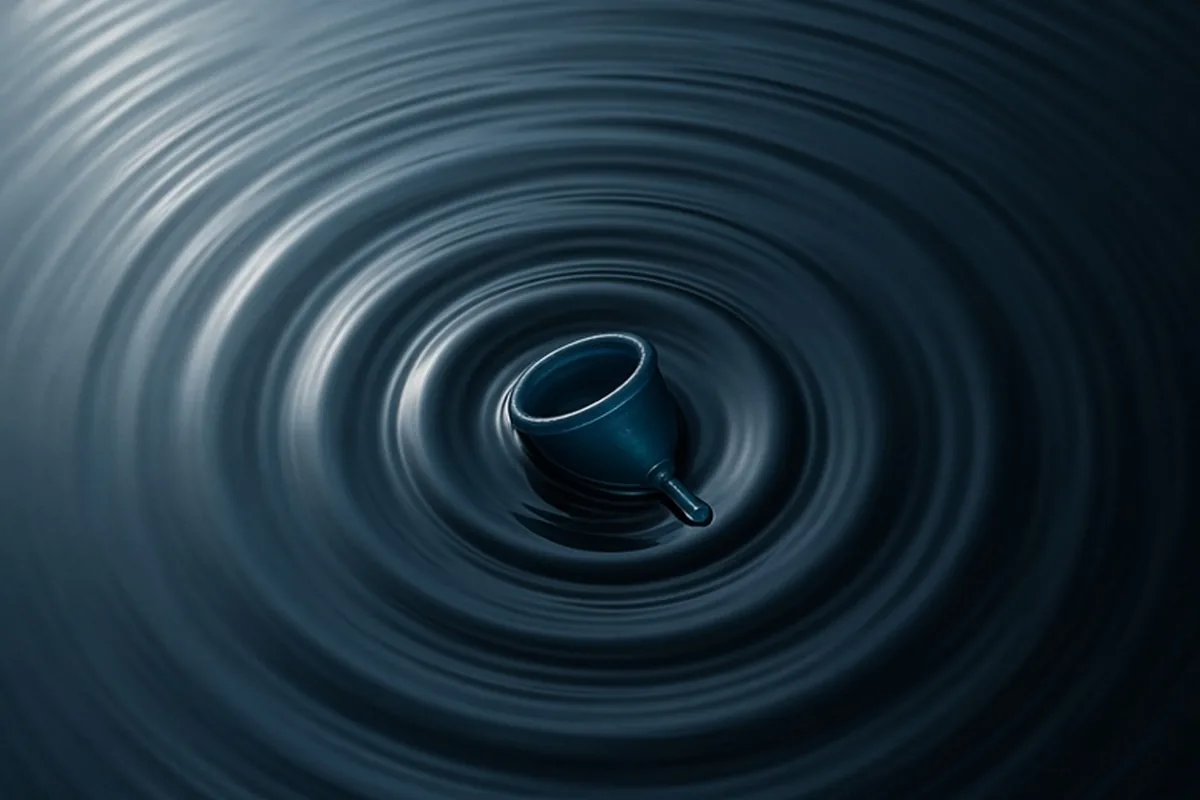
Menstrual cups do not directly cause pelvic organ prolapse on their own, but improper removal techniques that pull against active suction or aggressive bearing down can strain supportive pelvic floor tissues. People with pre-existing pelvic floor weakness, hypermobility, or early-stage prolapse face higher vulnerability. Releasing the seal completely before removal and avoiding prolonged forceful bearing down prevents unnecessary downward pressure on pelvic organs.
Switching to internal period care products often brings questions about anatomical safety, especially when social media posts and forum discussions raise concerns about internal suction and organ displacement.
Understanding the Link Between Cup Suction and Pelvic Anatomy
To understand whether a menstrual cup can shift internal organs, it helps to examine how the pelvic floor and reproductive organs interact. The uterus, bladder, and rectum are supported inside the pelvis by a supportive hammock of muscles, connective tissues, and ligaments known as the pelvic floor. A menstrual cup sits inside the vaginal canal, held in place by both the natural tone of the vaginal walls and a light airtight seal created along the rim.
The suction created by a menstrual cup is designed to prevent leaks, not to exert continuous mechanical traction on the cervix or uterus. Under normal conditions with healthy pelvic floor support, the localized vacuum inside the cup is far too weak to pull organs downward on its own. However, if the seal is pulled against without being broken first, or if someone aggressively bears down with their abdominal muscles to push the cup out, that concentrated downward force transfers mechanical stress directly to the pelvic ligaments.
Anatomy also varies widely from person to person. Cervical height changes throughout the menstrual cycle, and the strength of the supportive fascia differs based on life stage and genetic factors. When a cup fits well and is removed by breaking the seal, the suction releases instantly without pulling on the surrounding anatomy.
Primary Risk Factors Behind Pelvic Organ Prolapse
Pelvic organ prolapse occurs when the supportive muscles and tissues in the pelvic cavity become stretched, weakened, or torn, allowing one or more organs—such as the bladder, uterus, or bowel—to drop into or protrude from the vaginal canal. This condition is complex and multi-factorial, rarely stemming from a single everyday habit or device.
The most significant contributors to pelvic floor dysfunction include vaginal childbirth, particularly deliveries involving prolonged pushing or forceps, chronic intra-abdominal pressure from persistent coughing or heavy weightlifting, chronic constipation with repeated straining, connective tissue disorders like Ehlers-Danlos syndrome, and hormonal changes during perimenopause and menopause that reduce tissue elasticity.
In this broader medical context, a menstrual cup is not considered a primary root cause of prolapse. Instead, improper use may act as an aggravating mechanical stressor for individuals who already have compromised pelvic floor integrity or subclinical ligament laxity.
How Incorrect Removal Technique Creates Unnecessary Strain
The single most critical factor in safe cup usage is how the device is taken out. Many beginners instinctively pull directly on the stem of the cup when it feels difficult to reach. Pulling the stem while the rim remains sealed creates a strong piston-like suction against the vaginal walls and cervix, which places intense traction on the upper vaginal vault.
Another common mistake is excessive bearing down—holding one's breath and forcefully pushing with the abdominal wall, similar to a difficult bowel movement. While a gentle downward nudge can help bring a high cup within fingertip reach, sustained and forceful pushing increases intra-abdominal pressure dramatically. Repeated month after month, this habit weakens the pelvic floor muscles rather than strengthening them.
A safe removal requires pinching the base or pressing an indentation into the side of the cup to release the airtight seal before moving the cup downward. Once the seal is broken, the cup should glide out with minimal resistance and zero sensation of dragging or pulling on internal organs.
Signs of Pelvic Floor Strain and Early Prolapse
Recognizing the early symptoms of pelvic floor overload allows you to adjust your habits before minor tissue strain progresses into a more persistent problem. Pelvic floor weakness often presents subtly during everyday activities or specific points in your menstrual cycle.
Common indicators of pelvic floor strain or descent include a persistent feeling of heaviness, fullness, or dragging in the lower pelvis, a noticeable bulge or pressure at the vaginal opening, difficulty keeping a menstrual cup in place without it sliding down, urinary urgency or unexpected leakage when coughing, and lower back ache that intensifies after long periods of standing.
If you notice that your cup suddenly feels uncomfortable, constantly slides lower than usual, or causes a dull ache in your lower abdomen during or after wear, take a break from internal suction products and pay attention to how your body feels during rest.
Step-by-Step Techniques for Safe Cup Insertion and Removal
Adopting mindful insertion and removal mechanics minimizes physical stress on your pelvic tissues while ensuring reliable leak protection. Developing a consistent, relaxed technique eliminates the need for frantic pulling or forceful pushing.
Before handling your cup, take a few slow diaphragmatic breaths to consciously relax your pelvic floor muscles. Tensing up out of frustration or worry narrows the vaginal canal and makes removal significantly harder.
- Find a comfortable position such as sitting on the toilet with knees apart or squatting slightly to shorten the vaginal canal.
- Use a gentle, coordinated exhale to bring the base of the cup within reach rather than holding your breath and straining.
- Firmly pinch the textured base of the cup with your thumb and index finger to collapse the walls and break the vacuum seal completely.
- Maintain the pinch and gently wiggle the cup from side to side as you ease it downward, keeping it upright to prevent spills.
- If the cup sits high, slide an index finger up along the side until you reach the rim, then press the rim inward to release the suction directly.
Alternative Menstrual Options for Vulnerable Pelvic Floors
If you have been diagnosed with pelvic organ prolapse, experience frequent pelvic floor tightness, or feel uncomfortable using suction-based cups, there are several effective alternatives that manage flow without creating negative pressure.
Menstrual discs are one of the closest alternatives to cups, but they operate entirely differently. Discs sit higher up in the vaginal fornix behind the pubic bone and collect fluid without forming a vacuum seal. Because removal does not involve suction, discs eliminate the mechanical pull associated with traditional cups. However, tucking and removing a disc requires comfort with internal placement and sufficient anatomical space behind the pubic bone.
Reusable period underwear, washable cloth pads, and organic cotton disposable pads provide external management options that place zero physical demands on pelvic ligaments. Many people find success alternating between a disc or cup on heavy days and external options on lighter days to give their pelvic muscles periodic rest.
When to Consult a Healthcare Professional
While lifestyle adjustments and proper technique resolve many minor comfort issues, persistent symptoms warrant evaluation by a qualified medical professional. A gynecologist, midwife, or pelvic floor physical therapist can assess your specific pelvic anatomy, baseline muscle tone, and organ positioning.
Seek a professional evaluation if you feel an unmistakable physical bulge at or beyond the vaginal opening, experience pain during intercourse, struggle with persistent urinary or bowel difficulties, or cannot remove an internal device without severe pain. A pelvic floor physical therapist can also evaluate how you bear down and teach you how to manage intra-abdominal pressure during daily life, lifting, and menstrual product removal.
Getting an individualized assessment ensures you are not guessing about your symptoms or unnecessarily avoiding convenient menstrual products out of fear.
Illustrative Scenarios
Adjusting Removal Mechanics After Experiencing Pelvic Pressure
A 32-year-old runner began using a firm menstrual cup and frequently pulled on the stem to remove it quickly between workouts. Over two cycles, she noticed a dull ache and pelvic heaviness each time she took the cup out. After learning that she was pulling against an intact vacuum seal, she switched to a softer cup model and practiced pinching the base to fully break the seal while focusing on relaxed breathing. The post-removal heaviness resolved within her next cycle.
Key point: Physical discomfort and pelvic pressure during cup use often stem from pulling against active suction, which can be resolved by modifying removal technique and choosing appropriate cup firmness.
Frequently asked questions
Can using a menstrual cup make existing prolapse worse?
Yes, if you already have mild or moderate prolapse, pulling on an unreleased cup or bearing down aggressively can exacerbate tissue strain. People with diagnosed prolapse should consult a pelvic floor specialist before using suction-based menstrual cups.
Do menstrual discs cause prolapse risks like cups can?
Menstrual discs do not rely on suction to stay in place, meaning they do not create a vacuum against the cervix or vaginal walls. Because they rest in the vaginal fornix and hook behind the pubic bone, they present less suction-related mechanical risk during removal.
How do I know if my menstrual cup seal is broken before pulling?
You will feel the resistance release and hear or feel air entering the cup as the walls collapse inward when you pinch the base or press the rim. The cup should then slide freely with little to no resistance.
Your next step
Take time during your next period to practice releasing your cup's suction seal at the base before moving it, and schedule an appointment with a pelvic health professional if you notice persistent pelvic heaviness or discomfort.