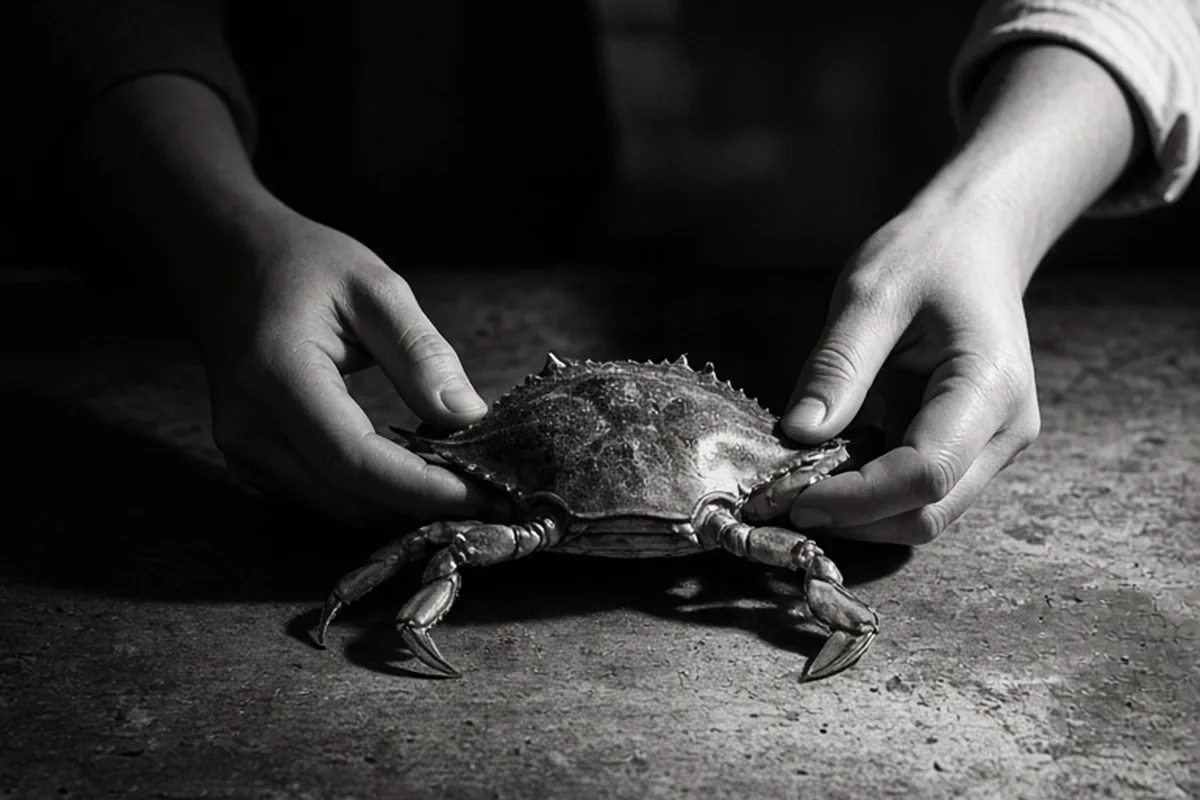
In Maryland, recreational crabbers cannot keep female blue crabs caught in the Chesapeake Bay or its tidal tributaries. You may only keep mature female hard crabs in Maryland's Atlantic coastal bays, provided they meet minimum size requirements. Commercial crabbers can harvest mature females under strict seasonal bushel limits, but egg-bearing sponge crabs are completely protected and illegal for anyone to keep.
Understanding local crabbing laws ensures you enjoy your time on the water while protecting the delicate blue crab population across Maryland waterways.
Recreational Harvest Rules in the Chesapeake Bay
If you are crabbing recreationally in Maryland's Chesapeake Bay or any of its tidal rivers, you are strictly prohibited from keeping female blue crabs. This rule applies to all recreational gear types, including trotlines, collapsible traps, net rings, and standard handlines. Whether the female crab is an immature juvenile or a fully grown mature adult, recreational license holders and unassisted shore crabbers must return it immediately to the water. There is a zero-possession tolerance for recreational females across these primary waters.
The complete ban on recreational female harvest serves as a targeted conservation strategy. Because recreational crabbers primarily target crabs during warm summer months when females are migrating southward to spawn, removing them directly threatens annual reproduction numbers. A common mistake occurs when recreational crabbers mix their catch in a single cooler without inspecting every crab first. If Maryland Natural Resources Police inspect your bushel basket and discover even one female crab among your catch, you can face immediate fines and citations, regardless of whether you caught it by mistake.
The Atlantic Coastal Bays Exception
The primary legal exception for recreational crabbers exists in Maryland's Atlantic coastal bays, which include Isle of Wight, Assawoman, Sinepuxent, Newport, and Chincoteague bays near Ocean City. In these specific coastal waters, recreational crabbers are allowed to keep mature female hard crabs that meet the legal minimum size limit, which is typically five inches measured from spike to spike across the widest part of the shell. However, immature female crabs and any egg-bearing females remain strictly off-limits in these areas as well.
Before setting your traps near coastal inlets, it is vital to know the exact boundaries separating coastal bay waters from the Chesapeake watershed. Crabbing in tidal tributaries that flow westward toward the Chesapeake remains under the zero-female rule, while eastward coastal waters follow separate coastal fishery regulations. Crabbers working the coastal bays must still obey daily personal bag limits and gear restrictions, meaning you cannot use commercial-style heavy pots without a commercial license even if female harvest is permitted in that specific body of water.
Commercial Crabbing Regulations and Quotas
Commercial watermen operating in Maryland hold licensed permissions to harvest mature female blue crabs, locally called sooks, but their operations are governed by tightly managed harvest quotas. The Maryland Department of Natural Resources sets dynamic catch limits that change depending on seasonal stock assessments, water temperatures, and time of year. These limits dictate how many bushels or barrels of mature females a licensed vessel may land each day, with harvest closures frequently scheduled during late autumn and early spring.
Commercial harvest rules are carefully calibrated between the hard crab fishery and the peelers or soft crab sector. Immature female crabs, known as she-crabs or sallies, are largely protected from hard crab harvest to allow them to reach reproductive maturity, though specific allowances exist for commercial peeler operations under strict size thresholds. Watermen must log their catch daily, adhere to specific harvest time windows each morning, and submit their records for verification to prevent overharvesting of critical breeding stock.
How to Accurately Identify Crab Sex and Maturity
Telling male and female blue crabs apart is straightforward once you examine the underside of the crab, known as the apron. An immature female crab features a distinct triangular apron that resembles a pyramid. As the female undergoes her final molt into maturity, her apron expands into a broad, rounded semicircle that looks like the dome of the United States Capitol building. Mature females also display bright red or orange tips on their claws, earning them the nickname of wearing lipstick.
In contrast, male blue crabs, referred to as jimmies, have a long, narrow apron shaped like an inverted T or the Washington Monument, accompanied by vibrant blue claws. When sorting your catch on the boat, relying solely on claw color can occasionally lead to errors, as some younger males show muted tones and older females may exhibit faded pigmentation. Always flip the crab over using tongs or a secure grip from the rear carapace to verify the exact shape of the apron before placing any specimen into your keeper basket.
Absolute Protection for Egg-Bearing Sponge Crabs
Regardless of whether you are a recreational crabber in a coastal bay or a commercially licensed waterman, it is illegal under all circumstances to harvest, possess, or sell an egg-bearing female crab, commonly called a sponge crab. When a mature female fertilizes her eggs, she carries an external mass of up to two million eggs tucked beneath her rounded apron. This egg mass resembles an orange, brown, or black sponge depending on how close the eggs are to hatching into free-swimming zoea larvae.
Protecting sponge crabs is the cornerstone of blue crab conservation in the mid-Atlantic. Female crabs mate only once in their lifetime, storing the male's genetic material to produce multiple broods over subsequent seasons. If a sponge crab enters your trap or dip net, you must unhook or release her into the water with minimal handling. Shaking a trap vigorously or dropping a sponge crab onto a hard deck can rupture the delicate egg mass, destroying millions of future crabs even if the mother survives the encounter.
Safe Sorting and Gentle Release Practices
Sorting your catch immediately as each line or trap comes aboard prevents illegal possession and reduces stress on undersized or female crabs. Keep a calibrated crab gauge within arm's reach alongside heavy-duty crabbing tongs. Avoid letting crabs pile up in open buckets on the deck before checking them; sorting on the spot ensures that non-retainable crabs are returned to the water within seconds rather than suffocating in warm air while you finish running your line.
When releasing a female crab, gently lower her over the side of the boat or pier rather than tossing her high into the air. Impact with the water surface from significant heights can break walking legs, crack the carapace, or separate swimming paddles. If a female crab grips your basket mesh or line with her claws, do not pull forcefully, which can cause her to drop a limb through autotomy. Instead, tap the back of her shell gently with your tongs to encourage her to release her grip voluntarily.
Enforcement, Penalties, and Seasonal Updates
The Maryland Natural Resources Police actively patrol state waterways, boat ramps, and public docks using both marked patrol vessels and plainclothes officers. Officers carry precision measuring devices and perform unannounced basket checks to inspect the sex and shell dimensions of harvested crabs. Possessing illegal female crabs can result in criminal citations, mandatory court appearances, steep financial fines per illegal crab, and the potential confiscation of crabbing gear or fishing licenses for repeat offenses.
Because blue crab management relies on real-time ecological surveys such as the annual Winter Dredge Survey, regulatory details including daily bushel limits, minimum sizes, and coastal dates can change between seasons. Before planning a crabbing outing, review the latest regulatory updates published on the official Maryland Department of Natural Resources website or through the state's fishing guide. Staying informed protects you from unexpected legal penalties and supports the sustainable health of Maryland's iconic crab fishery.
Frequently asked questions
Can I keep female soft-shell crabs in Maryland?
Recreational crabbers cannot keep female soft-shell crabs caught in the Chesapeake Bay or its tributaries. Commercial crabbers may harvest female peelers and soft crabs only within strictly defined size limits and seasonal commercial permit frameworks.
Why are female crabs protected more heavily than male crabs?
Female blue crabs produce all future generations and mate only once during their life cycle. Protecting females ensures that sufficient breeding stock reaches the high-salinity waters near the mouth of the bay to spawn successfully.
What should I do if a female crab accidentally loses a leg while being released?
Release the crab into the water immediately without further handling. Blue crabs possess the natural biological ability to regenerate lost limbs during subsequent molts, provided their main body shell remains intact.
Can you buy live female crabs at Maryland seafood markets?
Yes, you can legally purchase female crabs from licensed seafood markets and restaurants. These crabs are supplied through authorized commercial watermen who harvest them in compliance with commercial quotas and seasonal regulations.
Your next step
Before your next crabbing trip, measure and sort every catch immediately at the water's edge using a crab gauge, returning all Chesapeake females and coastal sponge crabs directly to the water.