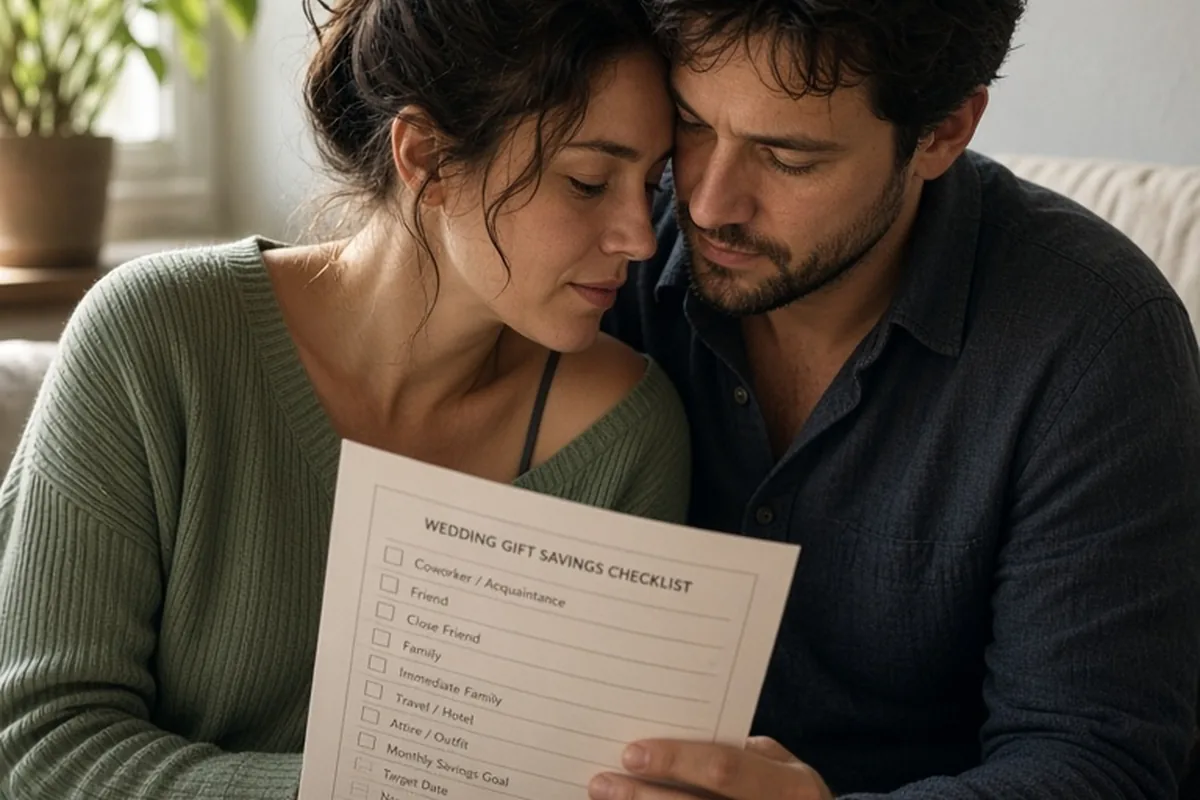
To budget for a cash wedding gift, determine your baseline amount using your relationship tier and personal financial health, typically ranging from modest coworker contributions to generous immediate family gifts. Offset that target against your travel and party expenses, then build a monthly sinking fund across three to six months so you can gift comfortably without taking on credit card debt or straining your everyday budget.
Attending weddings is an honor and a joy, but juggling multiple invitations across a single season can rapidly deplete your disposable income if you do not plan ahead.
Determining Your Base Cash Wedding Gift Amount by Relationship Tier
A common point of anxiety for wedding guests is settling on a gift amount that feels generous and respectful while remaining realistic for their personal bank account. Rather than relying on outdated etiquette rules like attempting to calculate the cost per plate, a healthier and more sustainable approach is to categorize your expected contribution based on how close you are to the couple. Acquaintances, casual coworkers, and distant relatives often sit in a baseline tier where a thoughtful collective gesture or a modest personal sum is entirely appropriate. For close friends and extended family members with whom you interact regularly, the baseline generally steps up to reflect your shared history and ongoing connection.
Immediate family members, childhood best friends, and couples where you are playing a central bridal party role often represent the highest tier of discretionary gifting. However, genuine etiquette emphasizes that a wedding gift is an expression of affection and celebration, not an admission fee. If your current cash flow or savings rate cannot support an upper-tier amount, you should never feel obligated to match what others might be contributing. Couples value your presence and good wishes far more than an inflated cash amount that causes you private financial distress. Selecting a baseline tier gives you a target number to work backward from as you organize your monthly savings.
Factoring Travel, Attire, and Pre-Wedding Costs into the Final Envelope
A complete wedding budget involves far more than the envelope you hand over at the reception. When deciding on your final cash gift amount, look at the comprehensive cost of your attendance across the entire celebration cycle. If you are traveling across the country, booking multiple nights in a hotel block, renting a vehicle, purchasing formal wear, and attending engagement parties, bachelor or bachelorette trips, and rehearsal dinners, your total financial investment in the wedding is already substantial. It is customary and practically wise to adjust the cash amount you place in the card downward when your travel and lodging expenditures are unusually steep.
Conversely, if the wedding is local, requires no overnight accommodation, and involves minimal incidental expenses, you may have more room within your monthly entertainment and gifting budget to offer a slightly larger cash contribution. Create a brief balance sheet for each wedding on your calendar. List out transit tickets, fuel, lodging, meals outside the reception, attire alterations, and auxiliary party costs. When your attendance expenses consume a heavy percentage of your seasonal savings, adjust your gift figure transparently in your personal ledger so you stay within your overall spending limits without feeling guilty.
Setting Up a Dedicated Wedding Gift Sinking Fund
The most effective way to avoid seasonal financial pressure is to establish a dedicated wedding sinking fund well before the invitations arrive. A sinking fund is simply a separate savings category or dedicated sub-account where you deposit a set dollar amount every pay period specifically for upcoming milestones and celebrations. When save-the-date cards begin arriving six to eight months in advance, calculate the total estimated gift amounts for all anticipated weddings on your calendar. Divide that grand total by the number of months or paychecks remaining before the events to establish a predictable, manageable savings target.
Automating this process removes the temptation to spend those funds on everyday impulse purchases. By redirecting twenty, fifty, or one hundred dollars per paycheck into an earmarked high-yield savings account or separate envelope, you build the necessary cash reserves incrementally. When the wedding weekend finally arrives, the money is already set aside and ready to be transferred or withdrawn. This deliberate pacing completely eliminates the shock of paying a large lump sum out of a single monthly paycheck or, worse, relying on high-interest revolving credit to cover a celebratory gift.
Navigating Plus-Ones, Group Gifts, and Joint Contributions
Attending as a couple or with a designated plus-one requires clear communication about how the gift will be handled financially. If you and a romantic partner share household finances, you will naturally decide on a joint amount that represents both of you on the card. If you maintain separate finances or are attending with a casual date, agree in advance on whether you will split the gift down the middle or if the primary invitee will cover the gift while the guest handles travel or auxiliary meals. Open coordination prevents awkward misunderstandings and ensures neither person feels unfairly burdened by the total outlay.
Group gifting is another powerful and elegant solution, particularly for coworkers, alumni groups, or large circles of friends. Pooling funds allows several individuals to contribute amounts that fit comfortably within their separate budgets while presenting the newlyweds with a substantial collective cash contribution or funding a major honeymoon excursion. Designate one organizer to collect contributions securely through a peer-to-peer payment platform, keep a transparent record of all contributors, and write a single warm card bearing everyone’s personal signatures and well wishes.
Modern Cash Delivery: Digital Registries, Venmo, or Physical Envelopes
Once you have saved your intended gift amount, consider the most secure and convenient method for delivering it to the newlyweds. Many modern couples establish digital honeymoon funds or cash registries linked directly to their wedding websites. While digital funds offer seamless convenience, verify whether the registry platform charges a transaction or processing fee that deducts a percentage from your gift. If processing fees apply, some guests prefer using free peer-to-peer payment platforms or writing a traditional paper check to ensure the entire gifted amount reaches the couple's account intact.
If you opt for physical delivery at the reception, place a personal check or crisp currency inside a securely sealed card and deposit it into the couple's designated card box during the cocktail hour or early reception. Always write a meaningful, handwritten note inside the card expressing your joy for their new chapter. If you are gifting via check, ensure your bank account remains properly funded for several weeks following the event, as busy couples frequently wait until returning from their honeymoon to process and deposit physical reception checks.
Managing Multiple Wedding Seasons Without Going into Debt
In certain years, invitations can cluster together, resulting in four, five, or more weddings across a single spring or summer. When this occurs, holding rigid expectations about how much you must spend on each event can quickly threaten your broader financial stability. It is vital to set an overarching seasonal ceiling for all wedding-related spending. If your cumulative calculations exceed that ceiling, prioritize ruthlessly by declining auxiliary events, choosing budget-friendly lodging options, or attending as a solo guest rather than incurring double travel costs.
Remember that declining an invitation with warm regrets is a completely acceptable etiquette decision if attending would jeopardize your emergency fund or force you into consumer debt. If you must decline an invitation due to financial constraints or scheduling conflicts, it is courteous to send a thoughtful handwritten card wishing the couple well. You may choose to include a modest cash gift, a small sentimental registry item, or simply your warm congratulations. Genuine friends will understand and respect that life circumstances vary, and your presence in their lives extends far beyond a single afternoon.
Frequently asked questions
Is it rude to give less cash if I spent a lot on travel?
No, adjusting your cash gift to account for significant travel, lodging, or attendant expenses is standard etiquette. Couples recognize the substantial financial commitment required to attend a destination or out-of-town wedding.
When is the deadline to send a cash wedding gift?
While traditional etiquette grants up to one year following the wedding ceremony, it is best practice to send your cash gift within two to three months of the event. Delivering your gift around the wedding date ensures the funds are readily available to the newlyweds as they begin their household.
Should cash gifts be given in cash or by personal check?
Personal checks are generally safer for physical card boxes because they can be canceled if misplaced or lost during reception cleanup. Crisp cash is acceptable if sealed securely, while digital registry transfers provide an immediate, traceable alternative.
What should I write on the memo line of a wedding check?
Write a brief congratulatory note such as 'Wedding Gift' or 'Congratulations' on the memo line. Address the check to the individual partner you know best, or check their preferred banking names to prevent endorsement issues before their legal name changes are finalized.
Your next step
Review your upcoming invitations, set a firm seasonal gifting ceiling, and set up an automatic recurring transfer to your celebratory sinking fund today.