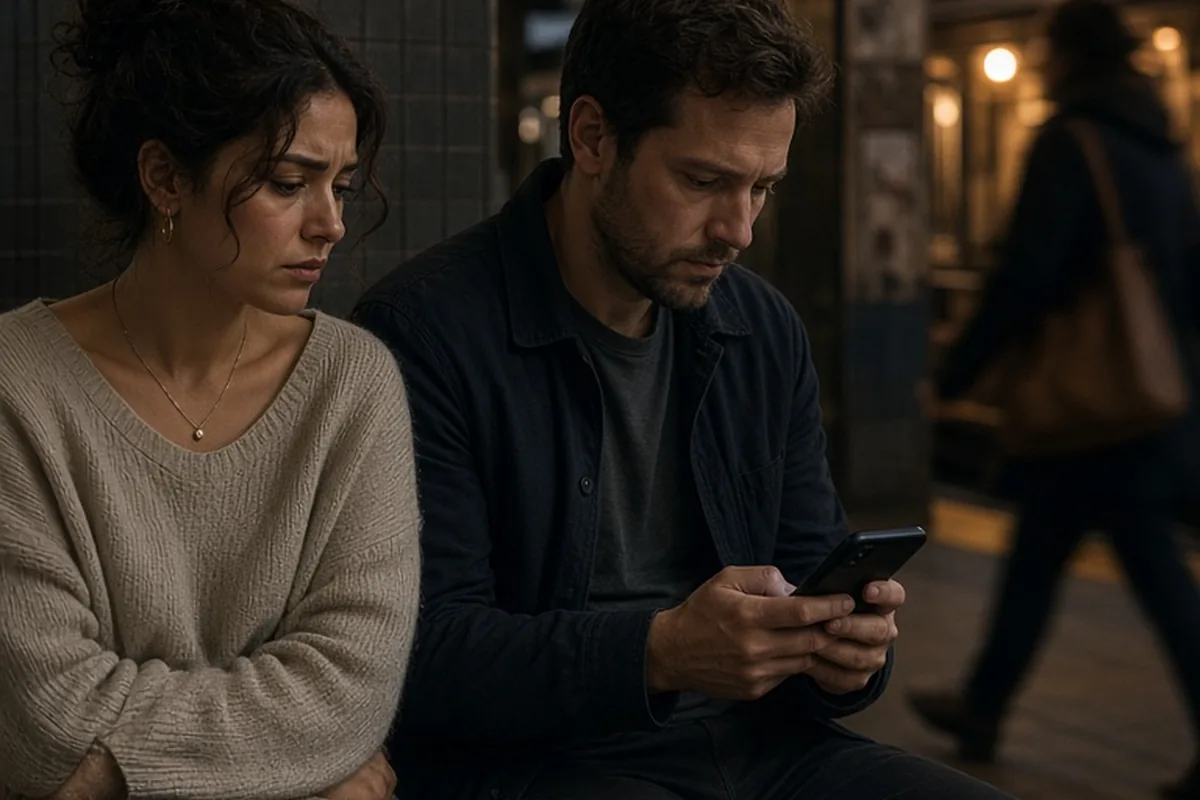
Definitive cell phone signs of infidelity include discovering romantic or sexual exchanges, hidden dating profiles, secondary messaging apps with disguised contacts, and locked photo vaults. While behavioral shifts like sudden passcode updates, extreme screen guarding, and wiped histories suggest secrecy, only explicit proof or an honest admission confirms cheating, because privacy boundaries and work habits can sometimes mimic suspicious behavior.
Noticing a sudden shift in how your partner handles their phone can trigger intense anxiety, confusion, and mistrust. While personal privacy is normal in any healthy relationship, abrupt secrecy, defensive reactions, and concealed communication channels often signal that emotional or physical boundaries are being crossed.
Sudden Passcode Changes and Extreme Device Protection
In many long-term relationships, partners casually share device passcodes or leave their phones accessible on shared counters without concern. A primary warning sign of digital deception occurs when that established open access abruptly disappears overnight. If your partner suddenly changes their passcode, removes your fingerprint or facial recognition access, or quickly locks the screen the moment you enter the room, it often reflects an intentional effort to restrict what you can see. This shift usually stems from an acute awareness that an unexpected notification or open conversation could reveal compromising interactions.
For example, consider a partner who previously let you use their phone to look up directions, control music in the car, or check the weather, but now takes the phone back aggressively or hoards it in their pocket. While it is true that cybersecurity updates or sensitive work requirements might prompt a passcode change, a partner with nothing to hide will typically explain the update naturally without defensiveness. When a partner becomes visibly agitated, offers evasive explanations, or accuses you of being intrusive simply for noticing the change, the guardedness is more likely driven by concealment than routine security.
The Use of Hidden Apps, Disappearing Messages, and Vaults
Digital infidelity frequently relies on specialized tools designed to mask communication. People engaging in secret interactions often migrate away from standard SMS messaging to third-party platforms that offer end-to-end encryption, ephemeral messaging, or discreet notifications. Applications such as Signal, Telegram, WhatsApp, or even social media direct messages allow users to set messages to disappear automatically after being read, leaving little to no lingering trail for a partner to notice.
Beyond standard encrypted chat apps, some individuals utilize decoy applications, commonly known as vault apps, which appear on the home screen as innocent utilities like a calculator or a note-taking tool but unlock hidden photo galleries and contact lists when a specific numerical code is entered. For instance, you might notice an unusual app icon or observe that push notifications on their lock screen are set to hide sender names and message previews completely. The trade-off in evaluating these tools is that many privacy-conscious individuals use secure messaging purely for data privacy or professional discretion; therefore, the mere presence of an app is not definitive proof of an affair until paired with deceptive habits or concealed romantic content.
Hypervigilant Body Language and Screen Shielding
Body language around mobile devices often speaks louder than the digital settings themselves. When someone is maintaining an illicit connection, their physical handling of their phone becomes tense, watchful, and territorial. You may notice your partner consistently placing their phone face down on tables, angling the screen away from your line of sight while sitting on the couch, or tilting the device downward whenever you walk by. These involuntary protective postures stem from the fear of being caught off guard by an incoming text or photo.
Another telltale behavioral clue is a sudden refusal to be separated from the device under any circumstances. A partner who begins taking their phone into the bathroom for routine showers, carrying it from room to room just to grab a glass of water, or sleeping with it tucked securely under their pillow is actively guarding against unauthorized access. An illustrative scenario is walking into the kitchen to ask a simple question and watching your partner physically flinch, rapidly swipe out of an active app, and lock their screen before making eye contact. While occasional private browsing or shopping for a surprise gift can cause brief secrecy, continuous hypervigilance over several weeks points toward sustained concealment.
Altered Contact Names and Muted or Deleted Conversation Threads
To prevent suspicious names from popping up on a vehicle display or a shared tablet, people conducting affairs often resort to creative contact management. This includes saving an affair partner under an unassuming generic label, such as a contractor, a distant colleague, an acronym, or a fake business contact. Alternatively, they may leave the contact unsaved entirely, memorizing the phone number or deleting the entire conversation thread after every interaction to ensure no visible history remains.
A clear indicator of this behavior is observing frequent messaging activity or late-night notifications, yet finding an empty message inbox or call log when glancing at the device. If your partner spends twenty minutes actively typing and smiling at their screen, but their primary chat list displays no recent conversations, threads are likely being manually purged or archived. However, it is important to remember that some people regularly delete messages simply to free up device storage or keep their digital space organized. The crucial distinction lies in whether the deletion is accompanied by secrecy, emotional withdrawal, or inconsistent stories about who they were communicating with.
Unusual Digital Activity Patterns and Late-Night Screen Time
Infidelity fundamentally alters how and when an individual allocates their time. Cell phone usage patterns often reflect the schedule of the person with whom they are carrying on an affair. You might observe a dramatic increase in screen time during unconventional hours, such as late at night after you have gone to sleep, early in the morning before the household wakes up, or during suspiciously extended errands outside the home. When an affair is active, the urge to maintain constant communication frequently overrides normal daily routines.
For example, a partner who previously went to sleep at the same time as you might now stay up for hours in another room, claiming they are reading articles or playing mobile games, yet their emotional engagement remains entirely absorbed by real-time typing. Similarly, sudden spikes in battery drain, rapid cellular data consumption, or frequent unreturned calls while they are supposedly at routine appointments can signal diverted attention. The limitation of relying solely on usage timestamps is that demanding work projects, family emergencies, or insomnia can also cause erratic phone activity, meaning timing anomalies should be viewed as prompts for open discussion rather than standalone confirmation.
Unexplained In-App Purchases, Subscriptions, and Battery Usage
Maintaining secret relationships often leaves subtle digital footprints in account settings, app store histories, and battery management logs. Even if a partner deletes an app from their home screen, operating systems maintain a record of previously downloaded applications in the cloud purchase history. Checking the account profile on an app store can reveal previously installed dating platforms, anonymous chat rooms, or secondary phone number services that assign temporary burner numbers for texting.
Furthermore, mobile device settings offer detailed diagnostic breakdowns of which applications consume the most battery life and screen time over twenty-four-hour and ten-day periods. If a partner claims they rarely use social media or messaging platforms, but their battery settings indicate that a specific communication app accounts for forty percent of total daily power consumption, a clear discrepancy exists. While checking account billing statements for recurring micro-transactions or dating app memberships can clarify these anomalies, obsessing over diagnostic menus can quickly erode your own emotional well-being, making it vital to weigh the search for clues against the need for direct resolution.
How to Differentiate Healthy Privacy From Deceptive Secrecy
Navigating suspicions requires a clear understanding of the difference between healthy personal privacy and intentional deception. Privacy is an inherent human need involving personal boundaries, such as venting to a trusted friend about a bad day, writing in a personal journal, discussing sensitive health matters with a doctor, or searching for personal interests. In a healthy relationship, privacy is practiced openly without anxiety, defensiveness, or an intent to hide relationship-damaging behavior from one's partner.
Secrecy, on the other hand, is the deliberate concealment of actions, conversations, or relationships that a person knows would violate the agreed-upon boundaries of their commitment. Privacy creates healthy personal autonomy, whereas secrecy breeds isolation, gaslighting, and emotional distance. If asking a simple question like who was on the phone results in explosive counter-accusations, mockery, or claims that you are paranoid, you are likely dealing with defensive secrecy rather than a calm defense of personal boundaries. Recognizing this distinction helps you focus the conversation on emotional safety and mutual respect rather than getting lost in technical debates about phone settings.
Frequently asked questions
Can someone cheat using their phone without installing dating apps?
Yes, many instances of digital infidelity occur through standard social media platforms, professional networking apps, mobile gaming chats, or regular text messaging. Infidelity depends on the nature of the emotional and physical boundaries crossed, not the specific category of software used.
Is it a good idea to install monitoring software on a partner's phone?
Installing spyware or covert tracking tools is generally unadvisable because it violates legal and ethical boundaries, deepens mistrust, and often creates significant emotional distress. If a relationship has reached a point where covert surveillance feels necessary, the foundational trust is already severely damaged and requires direct confrontation or professional guidance.
How should I bring up suspicious phone habits without starting a fight?
Approach the conversation by focusing on your feelings and specific observable behaviors rather than opening with direct accusations of cheating. Use calm statements that highlight how their sudden guardedness and emotional distance affect your sense of security, and invite them to help you understand the change.
Your next step
If you observe persistent digital secrecy, step back from compulsive clue-hunting and initiate a calm, direct conversation about the emotional distance in your relationship, seeking couples therapy or individual support to determine your next steps.