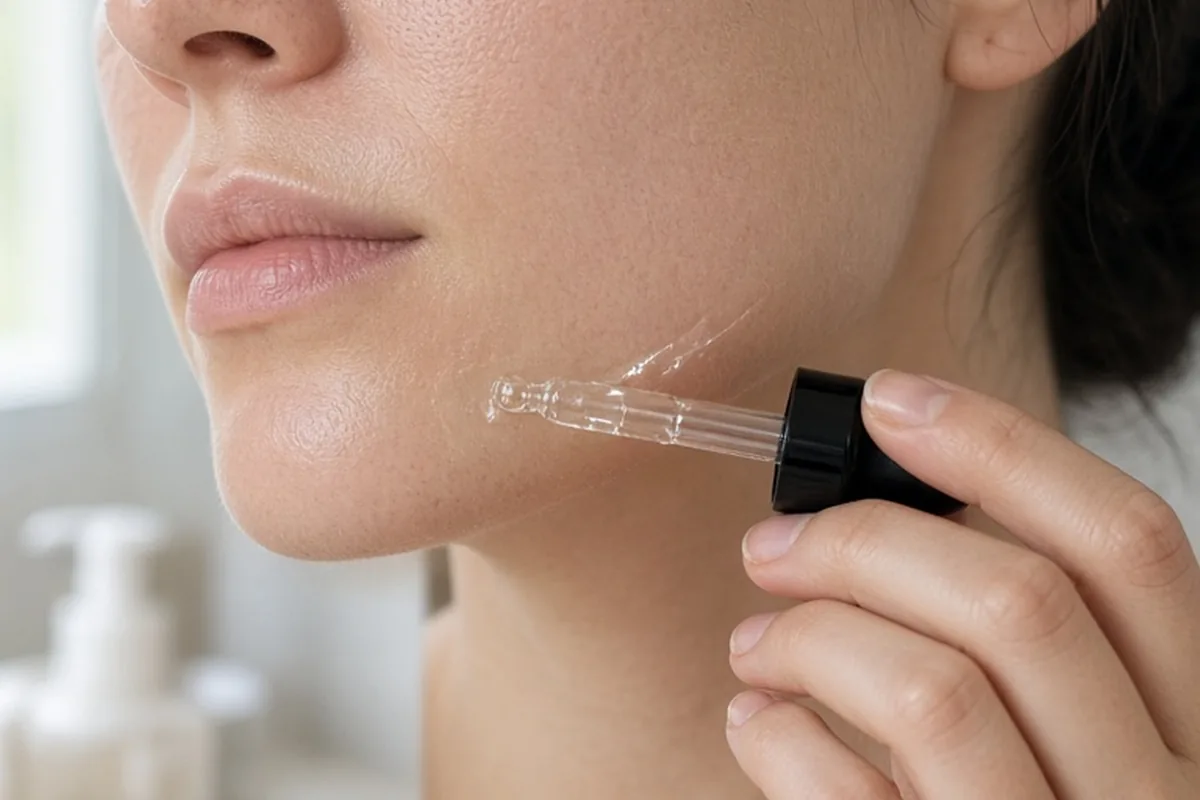
A chemical peel for beginners is a gentle exfoliating treatment using mild acids like lactic, mandelic, or low-strength glycolic acid to dissolve dead skin cells and reveal smoother skin. First-time users should start with superficial or at-home entry-level formulas, patch-test beforehand, and prioritize post-treatment hydration and broad-spectrum sunscreen. Avoiding strong active ingredients for several days before and after application helps prevent barrier disruption, excessive irritation, and prolonged redness.
Stepping into chemical exfoliation can feel daunting when clinical terminology and varying acid concentrations make choosing an initial treatment confusing. Understanding how mild acids interact with your specific skin profile allows you to improve skin texture and clarity steadily without compromising your protective barrier.
Understanding How Superficial Chemical Peels Work
Chemical peels rely on gentle exfoliating solutions to accelerate the natural shedding of outer skin cells. The outermost layer of your skin, known as the stratum corneum, consists of mature cells held together by lipid bonds and structural proteins. Unlike physical facial scrubs that use abrasive particles to loosen surface matter mechanically, chemical solutions work by dissolving these microscopic cellular bonds. This process promotes an even, controlled release of dull, dead cells without producing microscopic abrasions or localized friction.
For those new to the process, treatments are strictly confined to the superficial level. Dermatologists categorize peels into superficial, medium, and deep classifications based on how far the formula penetrates through epidermal layers. Beginners should focus solely on superficial options, often referred to as light peels, which only target the top epidermal layer. Starting at this depth provides visible benefits such as subtle brightening and refined texture while drastically reducing the risk of persistent redness, barrier tears, or post-inflammatory hyperpigmentation.
Selecting the Right Exfoliating Acid for Your Skin Profile
Choosing an appropriate acid depends primarily on your individual skin sensitivity, moisture balance, and underlying goals. Alpha Hydroxy Acids (AHAs) and Polyhydroxy Acids (PHAs) are water-soluble molecules that function across the surface of the skin. Mandelic acid features a large molecular structure that penetrates slowly and evenly, making it an excellent introductory option for sensitive skin and deeper skin tones prone to reactive discoloration. Lactic acid offers inherent humectant properties, drawing moisture into the skin while gently buffing away surface flakes, which suits dry or mature skin types.
Oily and acne-prone complexions generally respond better to oil-soluble Beta Hydroxy Acids (BHAs), specifically salicylic acid. Because salicylic acid can dissolve through facial sebum, it travels into congested pore linings to break down built-up debris and clarify problem areas. Glycolic acid remains a widely recognized AHA, but its tiny molecular size allows it to sink rapidly into the skin, which can provoke stinging or inflammation if introduced too aggressively. Beginners opting for glycolic formulas should prioritize low concentrations buffered with soothing ingredients.
Comparing Professional Clinical Visits and At-Home Formulas
Deciding between an in-office treatment and a home kit involves weighing supervision against convenience. In a clinic or medical spa setting, a licensed esthetician or dermatologist selects a formulation tailored to your visible barrier condition and monitors your skin throughout the entire exposure window. If unusual erythema or frosting occurs, they can neutralize the solution instantly. The primary trade-offs of professional treatments are the financial investment, which often ranges considerably per appointment, and the need to schedule clinical visits around daily routines.
Over-the-counter home peel kits provide an accessible, self-paced alternative, but they require strict user diligence. Formulators stabilize commercial beginner peels at higher pH levels and lower free-acid concentrations to establish an inherent safety buffer against accidental burns. While this safeguards against acute complications, it also means results develop gradually over multiple spaced sessions rather than across one afternoon. Home users must resist the temptation to leave products on longer than advised or apply them more frequently in pursuit of faster changes.
Essential Pre-Treatment Preparation and Patch Testing
Proper preparation during the week leading up to your peel prevents undue stress on the skin. You should pause the use of active topical agents such as prescription tretinoin, over-the-counter retinol, benzoyl peroxide, and leave-on exfoliating serums roughly three to five days before your session. Mechanical hair removal methods, including facial waxing, dermaplaning, and threading, should be avoided for at least five days prior, as these practices strip away outer cells and create uneven micro-pathways that cause the chemical solution to penetrate unpredictably.
A mandatory preliminary step is the patch test, which confirms that your immune system and skin barrier tolerate the specific chemical blend. Place a small drop of the peel solution on an inconspicuous patch of skin, such as behind the ear or near the lower corner of the jawline, leaving it on for the product's lowest stated duration before rinsing thoroughly. Monitor the test site for 24 to 48 hours for signs of severe swelling, hives, burning sensations, or lingering rash-like bumps. Proceeding across the entire face is only safe once the test area remains calm.
Step-by-Step Application and Navigating Sensations
A successful first application begins with a clean, thoroughly dry face. Cleanse using a mild, sulfate-free cleanser, and pat the skin dry with a clean towel, waiting several minutes to ensure no ambient moisture remains on the skin surface since residual dampness can accelerate acid absorption erratically. Apply a thin layer of pure petroleum jelly or barrier balm to vulnerable zones where solutions naturally pool, specifically the delicate corners of the lips, outer edges of the nostrils, and along the orbital bone below the eyes.
Apply the peel evenly across the forehead, cheeks, chin, and nose using a flat fan brush or cosmetic pad, avoiding direct contact with the eyelids. Mild warmth, light prickling, or faint tingling is a normal response during the initial two to three minutes as the acid alters surface pH. However, sharp stinging, raw pain, or any visible whiteness on the skin surface signals an acute reaction that requires immediate removal with cool water. Keep the first session brief, rinsing or neutralizing precisely when indicated, even if your skin feels relatively comfortable.
Post-Peel Aftercare and Barrier Restoration
The post-treatment phase centers entirely on barrier support, hydration, and gentle care. For the first 72 hours, streamline your skincare routine to three fundamental elements: a gentle non-foaming cleanser, a rich moisturizer formulated with skin-identical lipids like ceramides, fatty acids, and squalane, and daytime sun defense. While beginner peels frequently cause micro-exfoliation rather than visible sheets of shedding skin, some localized dry flaking can appear. Never pull, pick, or scrub these areas, as forcing premature separation pulls living tissue and increases the risk of dark spots.
Sun protection after a chemical peel is non-negotiable. Because the treatment strips away the outermost layer of dead cells that naturally helps scatter ambient light, your underlying skin is exceptionally vulnerable to ultraviolet damage, solar burns, and rebound hyperpigmentation. Apply a broad-spectrum sunscreen with an SPF rating of 30 or higher every morning, reapplying if spending time outdoors. Wearing a wide-brimmed hat and seeking shade during peak afternoon hours further shields your renewing skin while it repairs.
Ingredients to Avoid Combining in Your First Cycle
A common pitfall for newcomers is attempting to reintroduce powerful active serums too quickly after treatment. Combining freshly peeled skin with concentrated L-ascorbic acid, alcohol-based clarifying toners, physical cleansing brushes, or prescription retinoids can overwhelm your barrier and provoke irritant contact dermatitis. Give your skin a minimum recovery window of four to seven days before slowly weaving targeted treatment serums back into your evening regimen, monitoring closely for flaking or sensitivity.
Sustainable results come from consistent pacing rather than frequent application. For beginner-strength at-home chemical peels, scheduling one session every two to three weeks is generally sufficient to promote gradual clarity while giving your stratum corneum adequate time to replenish its lipid structure. If you notice persistent redness, tenderness when washing, or an uncomfortable tightness, extend the recovery window between sessions and double down on basic barrier-repair creams.
Frequently asked questions
How much visible peeling should I expect from a beginner peel?
Most beginner-friendly superficial peels produce little to no visible peeling, resulting instead in microscopic shedding that washes away during cleansing. You may notice mild dryness or faint flaking around the mouth and nose over two to three days, but dramatic sheet peeling is characteristic of clinical medium-depth peels rather than introductory treatments.
Can I wear makeup immediately after applying a chemical peel?
It is best to avoid decorative cosmetics, foundations, and powders for at least 24 hours following a chemical peel. Freshly treated skin features an open, vulnerable surface that can react poorly to pigments, preservatives, and makeup brushes, so keeping the area coated with simple moisturizer and mineral sunscreen supports smoother healing.
What should I do if my skin starts burning intensely during application?
If you experience sharp stinging, intense heat, or sudden blotchy redness, rinse the peel off immediately using generous amounts of cool water. Avoid applying heavily fragranced products or complex serums, and instead coat the damp skin with a bland, petrolatum-based ointment or ceramide cream to soothe the irritation.
How often can a beginner safely repeat an at-home superficial peel?
First-time users should space at-home treatments roughly two to three weeks apart to observe how their skin handles the exfoliation and recovery process. Increasing the frequency to once a week should only be considered after several months of trouble-free use and only if your skin demonstrates complete barrier resilience between sessions.
Your next step
Choose a single, gentle acid tailored to your skin type, conduct a 24-hour patch test on your jawline, and assemble your barrier-repair moisturizer and sunscreen before applying your first treatment.