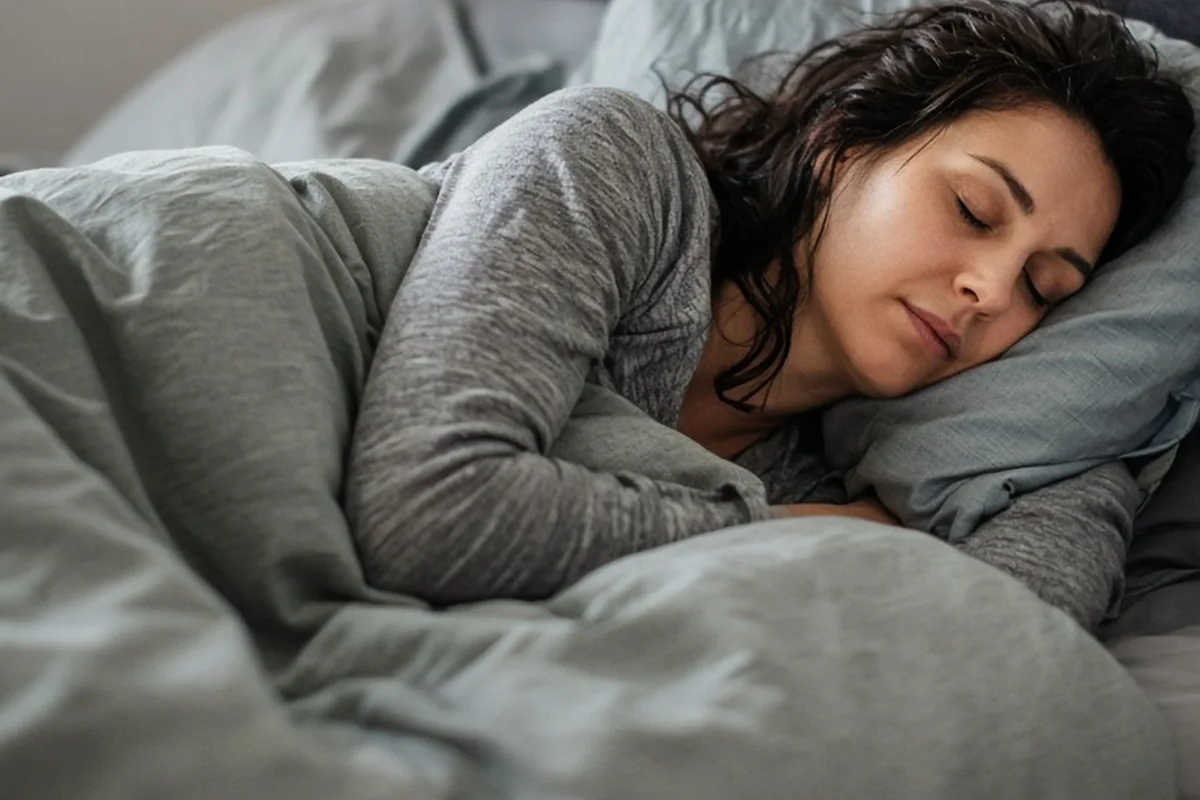
When a woman feels chilled while resting or sleeping, it usually stems from natural differences in peripheral blood circulation, resting metabolic rates, or the rapid cooldown that follows physical intimacy. You can resolve bedtime temperature mismatches by adopting split bedding, warming the mattress before sleep, using targeted foot warmers, and keeping the bedroom air cool while creating a warm individual microclimate under the covers.
Sharing a bed should feel restorative and comforting, but significant differences in body temperature can turn sleep into a nightly struggle. Understanding why one partner feels freezing under the same blankets helps couples create practical solutions that support both deep sleep and shared intimacy.
Understanding Why Temperature Needs Differ Between Partners
Differences in thermal comfort are among the most common sources of bedroom friction between couples. Women generally have a lower core metabolic rate than men, which means their bodies produce slightly less resting heat throughout the night. Additionally, female physiology tends to prioritize core organ warmth by constricting blood vessels in the hands, feet, and skin surface much more rapidly when ambient temperatures drop. This natural circulatory response leaves skin and extremities feeling cold to the touch even when the ambient bedroom temperature seems moderate to a partner.
Hormonal fluctuations across the menstrual cycle also influence basal body temperature and vasodilation patterns. During phases where estrogen and progesterone shift, sensitivity to cool air can increase noticeably, making ordinary bedding feel insufficient. When partners understand that cold hands or shivering feet are physiological responses rather than personal quirks or stubbornness, conversations about bedroom comfort shift from lighthearted annoyance to collaborative problem-solving.
Consider a scenario where one partner falls asleep under a light sheet while the other requires two heavy quilts and thick socks. If the warmer partner dismisses the cold partner's discomfort as an exaggeration, the colder partner may struggle with sleep onset insomnia, tossing and turning in an attempt to warm up. Acknowledging that both people have valid sensory experiences is the foundation for setting up a sleeping environment that serves both bodies effectively.
Why Chills Often Occur Following Physical Intimacy
A sudden sensation of feeling chilled often surprises people immediately after sex or orgasm. During sexual arousal and physical exertion, heart rate increases, blood flow surges toward the skin surface, and mild perspiration occurs. Once sexual activity concludes, the sympathetic nervous system downshifts rapidly into a parasympathetic state. This sudden drop in exertion combined with the evaporation of sweat on exposed skin can cause skin temperature to plummet within minutes.
Furthermore, hormones like oxytocin and prolactin released during climax encourage profound muscular relaxation and a drop in overall metabolic output. If blankets were pushed aside during passion, the body is left exposed to cool bedroom air precisely when its internal heat production is dropping. A partner who felt warm and flushed five minutes earlier can quickly begin shivering once they settle down to sleep.
Managing post-intimacy chills requires gentle foresight rather than disrupting the moment. Keeping a designated soft throw blanket within arm's reach at the head or side of the bed allows you to easily pull warm coverage over your partner without leaving the bed or breaking the emotional connection. This simple habit keeps the transition from shared intimacy to restful sleep peaceful and comfortable.
Implementing the Scandinavian Sleep Method and Split Bedding
One of the most effective solutions for mismatched sleep temperatures is the Scandinavian sleep method, which replaces a single shared duvet or top sheet with two individual duvets on a shared mattress. This setup allows the partner who runs cold to choose a high-tog down comforter or weighted fleece blanket, while the warmer partner sleeps under a breathable linen sheet or lightweight summer duvet. Both partners continue to share the same physical bed, but each maintains an independent microclimate tailored to their comfort.
Split bedding also eliminates the nighttime tug-of-war where one person pulls all the blankets away while tossing to find warmth. Because each person has dedicated coverage, drafts are kept to a minimum when either partner shifts positions. The colder partner can tuck the edges of their duvet tightly around their shoulders and feet without trapping unwanted heat on the other side of the mattress.
The primary trade-off of split bedding is aesthetic and tactile habit: the bed looks slightly different when made, and direct skin-to-skin cuddling requires lifting one duvet over the other. Most couples find that the dramatic improvement in uninterrupted sleep far outweighs the initial adjustment of having separate blankets.
Targeted Warmth Solutions for Cold Extremities
Because the human body conserves core heat by restricting peripheral blood flow, cold feet are often the primary reason a person cannot fall asleep. When feet remain cold, the brain receives signals that the body is in an alert, heat-conserving state, which delays the onset of deep sleep. Warming the feet encourages vasodilation, signaling to the nervous system that it is safe to relax and initiate sleep.
Simple, targeted interventions can warm cold extremities without overheating the entire bed or room. Wearing loose-fitting bed socks made of breathable merino wool or soft cashmere provides consistent warmth without constricting circulation. Alternatively, placing a low-voltage heating pad, a warm water bottle, or a heated foot throw at the base of the bed fifteen minutes before turning in creates a cozy pocket specifically for the feet without forcing the warmer partner into an uncomfortably hot environment.
It is helpful to avoid overly tight socks or synthetic fabrics that trap sweat without breathing, as damp feet will quickly turn cold once the material cools down. Choosing natural fibers ensures moisture evaporates while warmth is retained throughout the night.
Balancing Ambient Room Air with Individual Bedding Warmth
Sleep specialists generally recommend maintaining a cool ambient bedroom temperature, typically between sixty and sixty-seven degrees Fahrenheit, to support the natural drop in core body temperature required for deep, restorative sleep. However, sleeping in a cool room requires adequate insulating layers so that the body does not become physically uncomfortable or tense from cold drafts.
The key to balancing room air with individual comfort is focusing on the bed's microclimate rather than adjusting the central thermostat to extreme highs. Turning the household heat up excessively often results in dry air, disrupted sleep for the warm partner, and morning dehydration for both. Instead, keep the room air comfortably crisp and use breathable layering strategies on the cold partner's side of the bed.
For example, a dual-zone electric mattress pad offers independent temperature controls for each half of the bed. The chilled partner can preheat their side to take the edge off cold sheets before climbing in, then lower or turn off the setting once they are warm, while the other side remains completely unheated. This approach preserves the cool ambient air needed for optimal breathing and sleep quality.
Bedtime Rituals That Promote Thermal Comfort and Connection
Integrating warming habits into your evening routine helps ease the transition from a busy day to a comfortable night. Taking a warm bath or shower twenty to thirty minutes before bed is a reliable way to warm cold skin and trigger natural relaxation. As the body cools slightly after stepping out of the warm water, it naturally initiates the sleep cycle, making it easier to drift off comfortably.
Shared evening rituals also offer opportunities for emotional warmth and physical attunement. Enjoying a hot cup of caffeine-free herbal tea together, offering a brief foot or back massage with warming lotion, or pre-warming the bedsheets with a hot water bottle before your partner enters the room are thoughtful gestures that foster intimacy and care. These actions demonstrate that you value your partner's physical comfort and want to help them feel secure and settled.
When physical affection like cuddling is used to share warmth, clear communication ensures both people stay comfortable. A partner who runs warm may gladly offer body heat for ten or fifteen minutes as you both settle down, but may need space to sleep without overheating later in the night. Agreeing on a natural shift from close contact to separate sleep positions prevents either partner from feeling rejected or trapped in excess heat.
When Chronic Sensitivity to Cold Warrants Further Exploration
While mild temperature mismatches are completely normal, persistent or severe sensitivity to cold that does not respond to ordinary layers can occasionally indicate underlying nutritional or metabolic factors. If someone consistently experiences intense chills, pale or numb fingers, extreme fatigue, or brittle nails alongside their cold intolerance, it may be sensible to speak with a healthcare provider for routine screening.
Common non-urgent factors that influence cold tolerance include iron deficiency, low vitamin B12 levels, poor peripheral circulation, or mild thyroid imbalances. A physician can perform basic blood tests to assess whether a nutritional supplement or lifestyle adjustment could improve daily energy and circulation.
In relationship discussions, it is crucial to approach this topic with supportive care rather than amateur medical diagnoses. Suggesting a routine checkup should come from a place of loving concern for your partner's daily vitality, keeping the focus on how they feel both during the day and through the night.
Frequently asked questions
Why does my partner feel so cold after we have sex?
After intimacy, the body shifts rapidly from high cardiovascular exertion to deep relaxation, which lowers internal heat production. As light perspiration evaporates in the cool air, skin temperature drops quickly, leading to noticeable post-intimacy chills.
How can two people with opposite temperature preferences sleep in the same bed?
The most reliable strategy is using separate duvets on the same mattress, known as the Scandinavian sleep method. This allows the colder partner to use a heavier, warmer comforter while the warmer partner uses a light blanket without disturbing each other.
Is it better to turn up the thermostat or add more blankets?
Adding individualized blankets or using a dual-zone heated mattress pad is generally better than turning up the central thermostat. Keeping the bedroom air relatively cool supports deep sleep, while personal layers provide localized warmth where needed.
Your next step
Try introducing a separate, warmer duvet or pre-warming the foot of the bed tonight to see how targeted warmth transforms both sleep quality and bedtime comfort.