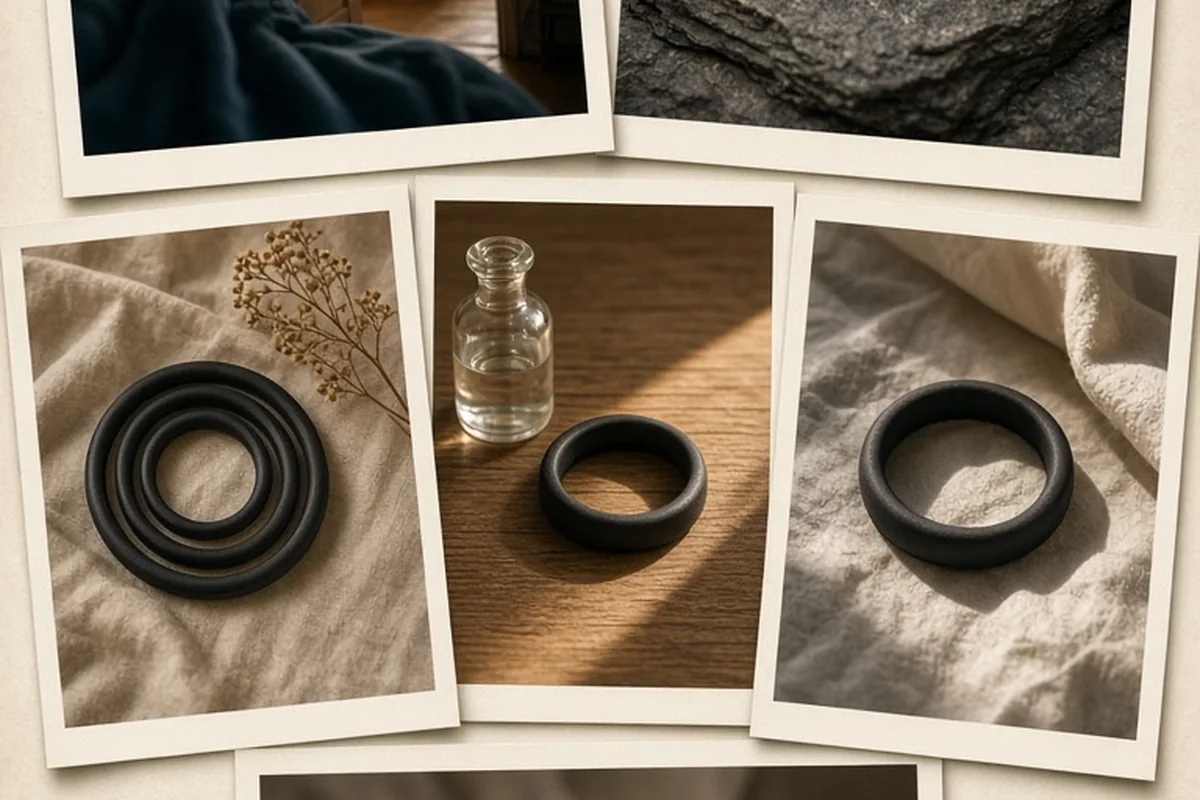
A cock ring is an intimate accessory placed around the base of the penis, or the penis and testicles, to gently restrict venous blood outflow during arousal. This can support a firmer, longer-lasting erection and heighten physical sensations. When selected in flexible materials, sized properly, and used within recommended time limits, it offers a simple, accessible way to explore mutual intimacy.
Stepping into the world of intimate accessories often brings a mix of curiosity and uncertainty, especially when exploring devices designed to influence physical sensation and stamina. Understanding how these tools function mechanically, which materials best match your comfort level, and how to communicate openly with a partner removes unnecessary hesitation and keeps your shared experiences safe, grounded, and rewarding.
Understanding the Mechanical Function and Sensation
To understand how a cock ring works, it helps to look at the basic vascular dynamics of an erection. During sexual arousal, arteries expand to carry an increased volume of blood into the spongy erectile chambers of the penis. As these chambers fill, the expanding tissue presses against the outer veins, slowing down the rate at which blood exits the area. A cock ring provides external, gentle compression along those superficial veins near the base of the shaft. By lightly slowing the outflow of blood while still allowing arterial inflow, the device helps maintain firm vascular pressure, which can result in a noticeably fuller, denser erection.
Beyond structural firmness, the increased blood retention alters nerve sensitivity across the shaft and head. Many men report a heightened sense of fullness and a mild throbbing sensation, which can make touch feel more intense and dynamic. For an intimate partner, the firmer base and increased vascularity can also translate into distinct sensations during manual stimulation or intercourse. However, it is essential to recognize a practical trade-off: heightened tension can sometimes make arousal build quickly, while for others it slightly delays climax. Treating the ring as an exploratory accessory rather than a guarantee of specific performance outcomes helps keep intimacy relaxed and enjoyable.
Comparing Materials: Flexible Silicone to Rigid Options
Choosing the right material is the most critical decision for a beginner because it directly influences both safety and comfort. For anyone new to this accessory, soft and stretchy elastomers—such as medical-grade silicone, thermoplastic rubber, or body-safe elastomer blends—are the recommended standard. Stretchy rings accommodate natural shifts in erection size without creating severe pinch points. They are forgiving during application and removal, simple to clean with warm water and mild soap, and adapt comfortably to movement during partnered intimacy.
In contrast, rigid materials like solid metal, acrylic, or heavy-gauge plastics offer zero elasticity. While some experienced individuals appreciate the unyielding pressure and aesthetic weight of polished steel, rigid rings introduce significant risks if sized incorrectly or left on too long. If an erection does not subside readily, removing an inflexible ring can be difficult and distressing. Adjustable leather or silicone straps with snaps provide a middle ground, offering a customized fit without the total lock of solid metal. For general use and learning your body's response, flexible silicone remains the most reliable, low-stress choice.
When evaluating materials on the market, consider these practical distinctions before making a purchase:
- High-grade silicone: Stretchy, hypoallergenic, easy to disinfect, and comfortable for beginners.
- Thermoplastic elastomers (TPE): Very soft and flexible, though more porous and requiring thorough washing and drying.
- Adjustable snap designs: Allows customized tension and immediate release without pulling over sensitive tissue.
- Rigid metals and acrylics: Inflexible options suited only for experienced individuals who know their precise dimensions and limits.
Determining Proper Sizing and Placement
Fit determines whether a ring feels pleasantly snug or painfully restrictive. Cock rings are generally worn in one of two configurations: around the base of the shaft only, or around both the shaft and the testicles (often referred to as full placement). Encircling only the shaft concentrates pressure directly on erectile tissue, making it the easiest and most common entry point for beginners. Placing the ring around the shaft and behind the testicles offers an anchor that keeps the ring stable while gently drawing the testicles downward, which many find intensely grounding.
To find an appropriate size for a stretchy ring, you do not need an engineering blueprint, but estimating your base circumference helps avoid rings that are either uselessly loose or uncomfortably tight. You can wrap a soft measuring tape or a piece of string around the base of your flaccid or semi-erect shaft, mark the meeting point, and measure the length against a ruler. Because silicone stretches significantly, the internal diameter of a stretchy ring should typically be slightly smaller than your measured diameter to provide light tension. When in doubt, always err on the side of a looser, stretchier ring; you can always step down in size once you know how your body reacts.
Step-by-Step Application, Removal, and Lubrication
Applying a cock ring smoothly relies heavily on proper timing and generous lubrication. A quality water-based lubricant should be applied both to the ring itself and around the base of the penis to minimize friction and prevent pulling on skin or body hair. Most users find it easiest to put on a stretchy ring while semi-erect or flaccid. Gently stretch the ring with both hands, slide it over the head, guide it down the length of the shaft, and settle it flush against the base of the pelvis before achieving full arousal.
Removal should always be calm, gentle, and deliberate. If the ring feels snug after climax or extended wear, do not yank or pull sharply against sensitive skin. Instead, apply additional lubricant around the ring, take several slow breaths to allow your erection to subside naturally, and roll or slide the ring forward. If you ever experience difficulty removing a flexible ring, relaxing the pelvic floor muscles and applying a cool compress to the surrounding area will help the erection diminish quickly, allowing the ring to slide off with ease.
Crucial Safety Rules and Warning Signs
The most critical safety guideline regarding any constriction device is the strict observation of time limits. A cock ring should never be worn for more than twenty to thirty minutes at a time. Restricting venous outflow for prolonged periods deprives penile tissues of fresh, oxygenated arterial blood, which can lead to tissue damage, bruising, or nerve desensitization. Never, under any circumstances, fall asleep while wearing a ring, and avoid combining ring use with heavy alcohol consumption or sedatives that might dull your physical awareness or prevent you from tracking time.
Listening to physiological signals is vital throughout the entire experience. A proper fit should produce a sensation of warmth, firmness, and mild tightness, but it should never cause sharp pain, burning, or numbness. If you notice coldness at the tip, significant loss of sensation, or a dark, bluish discoloration beyond normal healthy vascular flush, the ring must be removed immediately. Respecting these boundaries ensures that using intimate accessories remains an entirely positive addition to your sexual health rather than a source of injury.
Discussing Ring Use with an Intimate Partner
Introducing an intimate accessory to a partner is most successful when initiated outside the bedroom during a calm, low-pressure moment. If one partner suspects the device is being brought in out of anxiety, self-doubt, or an unspoken feeling of inadequacy, the conversation can quickly turn defensive. Frame the idea around shared adventure, curiosity, and heightened tactile sensation. Emphasize that the ring is simply an interesting tool to try together, much like changing lighting or incorporating a massage oil, rather than an urgent fix for an assumed flaw.
During partnered intimacy, proactive communication ensures both people remain comfortable. A ring worn at the base of the shaft alters physical contact during intercourse; depending on the ring's thickness, it may press pleasantly against a partner's sensitive anatomy or, conversely, create awkward friction in certain angles. Check in with simple, direct questions about how the contact feels for them, and be completely willing to adjust your position, add more lubricant, or slip the ring off without disappointment if either person feels distracted or uncomfortable.
Illustrative Scenarios
Navigating First-Time Anxiety and Fit Concerns
Marcus bought an inexpensive, one-size-fits-all silicone ring online after hearing about it on a wellness podcast. When it arrived, he worried it looked too small and feared it might become painfully stuck during intimacy with his girlfriend. Instead of forcing himself to use it silently during a spontaneous encounter, Marcus took twenty minutes alone on a quiet afternoon to test the ring while flaccid and semi-erect, using plenty of water-based lubricant. He practiced putting it on, observing how the stretchy silicone easily expanded, and gently sliding it off after five minutes. Having confirmed how straightforward the process felt, he felt completely comfortable introducing it to his partner that weekend without lingering apprehension.
Key point: Testing a flexible accessory privately in a low-stakes environment builds physical familiarity and dissolves unnecessary performance anxiety.
Handling Discomfort and Setting Ground Rules as a Couple
Elena and David decided to incorporate a ring to see if it would help David maintain firmness during longer sessions. Ten minutes into intercourse, David felt a sudden pinching sensation on his skin, while Elena found the rigid edge of the accessory was pressing uncomfortably against her pelvic bone. Rather than powering through to avoid breaking the mood, David paused, acknowledged the friction, and slipped the ring off with a splash of lubricant. They continued their intimacy without it, and the next day they reviewed what happened: the ring material had been too stiff, and they had skipped applying enough lubricant to the base. They replaced it with a soft, rounded silicone model that accommodated both of their physical needs comfortably.
Key point: Pausing immediately when discomfort arises preserves mutual trust and allows couples to fine-tune choices without judgment.
Frequently asked questions
Can wearing a cock ring help cure clinical erectile dysfunction?
No. While a ring can help hold venous blood to maintain firmness in a naturally developing erection, it does not address underlying cardiovascular, hormonal, or neurological causes of erectile dysfunction. If you experience persistent difficulty getting or maintaining an erection, consult a primary healthcare provider for a proper evaluation.
What type of lubricant should be used with a silicone ring?
Always use a high-quality water-based lubricant. Silicone-based lubricants can chemically degrade silicone toys and accessories over time, making them sticky, weak, or damaged, while oil-based products can break down materials and are difficult to clean.
How long should you wait between uses during the same session?
If you reach the twenty-minute safety limit or remove the ring after ejaculation, allow your body at least ten to fifteen minutes of unconstricted blood flow before considering another application. This recovery window ensures that tissues re-oxygenate and normal circulation is fully restored.
Is it normal to feel a throbbing sensation while wearing a ring?
Yes, a mild, rhythmic pulse or sense of fullness is a common result of increased vascular pressure within the erectile tissue. However, this feeling should never cross into sharp throbbing pain, tingling numbness, or coldness, all of which indicate excessive tightness.
Your next step
Start by selecting a soft, stretchy silicone ring and practicing basic application with ample water-based lubricant so you can explore comfort and mutual sensations safely.