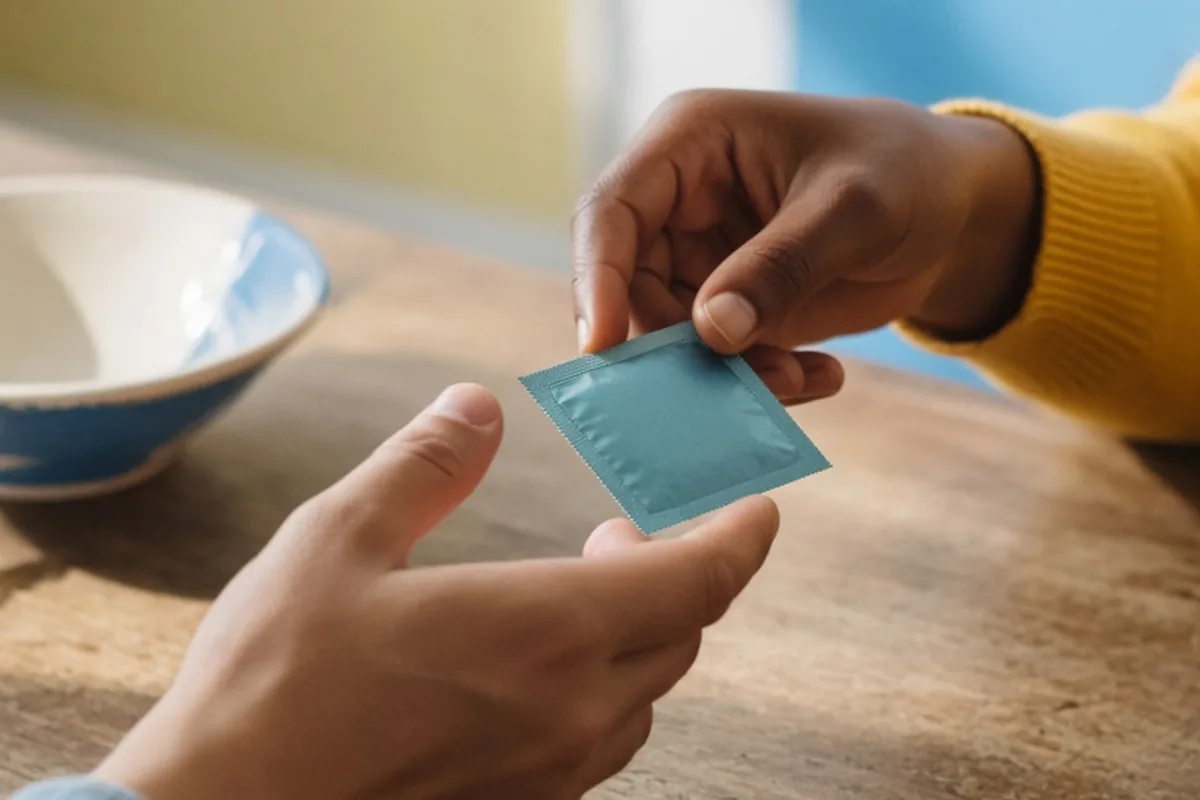
Condoms remain one of the most cost-effective barrier methods available because they require no clinical insertion fees, ongoing prescriptions, or specialized medical appointments. Their true value lies in dual protection, simultaneously reducing the risk of unintended pregnancy and sexually transmitted infections. While per-unit retail prices fluctuate based on pack size, specialty materials, and added features, condoms offer low upfront financial risk and predictable per-use budgeting compared to medicalized contraceptive alternatives.
Evaluating reproductive healthcare options involves balancing immediate out-of-pocket expenses against long-term utility, accessibility, and individual health goals.
Calculating the Per-Use Cost of Male and Female Condoms
Analyzing the economic value of barrier methods begins with the per-use financial model. Unlike clinical contraceptive methods that require substantial upfront investment for clinician consultations, laboratory tests, or medical insertion procedures, external (male) and internal (female) condoms are purchased on an as-needed basis. This transactional structure allows individuals to control their out-of-pocket spending precisely according to their frequency of sexual activity, eliminating the recurring monthly or annual baseline costs associated with oral contraceptives, hormonal patches, or vaginal rings when sexual activity is infrequent.
External condoms represent the most widely manufactured and distributed barrier method, which keeps per-unit manufacturing costs low and fosters strong market competition across retail pharmacies, supermarkets, and digital storefronts. In contrast, internal condoms often carry a higher individual retail price because they are produced in lower global volumes and require different manufacturing designs and materials to facilitate internal barrier placement. When budgeting across a full year, the actual expense of either method depends directly on usage frequency, packaging choices, and whether supplies are procured at single-pack retail prices or purchased through larger bulk distributions.
A critical financial consideration when choosing barrier protection is the lack of mandatory clinical overhead. Clinical birth control methods frequently require periodic prescription renewals, follow-up office visits, or administrative copayments that elevate the real annual cost of care beyond the price of the medication itself. Because external condoms are sold over the counter without a prescription, purchasers avoid co-pays, clinic administration fees, and transportation costs associated with dedicated medical appointments, making them an accessible entry point for cost-conscious individuals.
Further reading: CDC: Contraception and birth control methods
Evaluating Dual Protection: Condoms Compared to Hormonal and Long-Acting Contraceptives
A comprehensive cost-effectiveness evaluation must assess health outcomes alongside direct dollar amounts. Hormonal pills, injections, implants, and intrauterine devices offer high theoretical and typical-use efficacy against unintended pregnancy, yet they provide zero physiological protection against sexually transmitted infections. When calculating long-term healthcare expenditures, the financial burden of managing undiagnosed or chronic infections—including clinic consultations, diagnostic panels, prescription antibiotics, antiviral therapies, and potential fertility complications—must be factored into the overall economic model.
Condoms provide unique economic value because they serve as the primary non-abstinence method offering dual protection against both pregnancy and sexually transmitted infections. According to public health guidance, selecting a barrier method reduces exposure to communicable pathogens while simultaneously managing reproductive timing. For individuals who are not in long-term, mutually monogamous relationships, relying exclusively on hormonal or long-acting reversible contraception leaves a financial and clinical vulnerability regarding sexual health maintenance.
Many individuals adopt a dual-use strategy, combining barrier methods with highly effective hormonal or non-hormonal long-acting methods. While this layered approach increases total per-encounter spending marginally due to purchasing condoms alongside an existing contraceptive regimen, it offers optimal risk management. The combined strategy minimizes both the elevated financial and emotional costs of contraceptive failure and the ongoing medical expenses associated with routine infection screenings and necessary antimicrobial treatments.
Further reading: CDC: Contraception and birth control methods
Further reading: Office on Women's Health
Factors That Shift Total Spending: Materials, Specialty Fits, and Multipacks
Retail pricing for barrier contraceptives varies widely across different product formulations and packaging configurations. The standard consumer product is manufactured from natural rubber latex, which benefits from mature, large-scale manufacturing pipelines that keep baseline retail prices modest. However, individuals with latex sensitivities or allergies must turn to non-latex alternatives such as polyisoprene or polyurethane. These synthetic polymers require distinct manufacturing standards and proprietary compounding processes, which generally results in a higher retail price per unit compared to standard latex options.
Product marketing, sizing variations, and specialty features also exert a strong influence on retail shelf pricing. Products marketed with specialized textures, varied thicknesses, localized desensitizing lubricants, or custom dimension sizing options are frequently positioned at premium price tiers. While these specialty features can significantly improve user comfort, compliance, and sensation, they alter the ongoing cost equation. Consumers who require specialized dimensions or non-allergenic formulations will typically experience higher annual baseline spending than those using standard commercial offerings.
Packaging volume represents one of the simplest levers for reducing average unit cost. Purchasing small convenience packages containing three to six units at transit hubs, gas stations, or late-night retailers incurs the highest per-unit markup due to retail real estate costs and convenience packaging fees. Conversely, purchasing multipacks containing thirty, sixty, or one hundred units through warehouse clubs or specialized online distributors reduces the per-unit expense considerably. Consumers can achieve major long-term savings simply by planning purchases ahead and avoiding convenience-driven point-of-sale markups.
Accessing Free and Subsidized Condoms Through Community Health Programs
For individuals operating under strict budgetary constraints, free and subsidized distribution programs provide a reliable safety net that can reduce contraceptive expenses to zero. Title X family planning clinics, county and municipal health departments, university wellness centers, and specialized non-profit sexual health organizations routinely distribute barrier methods at no cost. These publicly funded initiatives exist precisely to remove financial barriers to preventative reproductive health resources and reduce regional transmission rates of communicable conditions.
Navigating community distribution networks requires understanding local administrative policies and pickup locations. Many municipal health departments maintain walk-in distribution desks, discrete mail-order distribution programs for local residents, or partnerships with community centers, libraries, and youth support hubs. These programs typically supply standard, high-quality latex external condoms, alongside basic non-latex or internal barrier options upon request, without requiring proof of insurance, clinical evaluations, or personal identification.
While free distribution programs provide exceptional financial savings, users should verify packaging integrity and batch expiration dates when sourcing products from public dispensers or communal distribution baskets. High-traffic community distribution points generally rotate stock efficiently, but verifying that wrappers remain airtight, uncompromised by direct sunlight or extreme temperature fluctuations, and well within their designated shelf life ensures that cost savings do not come at the expense of physical barrier reliability.
Further reading: Office on Women's Health
Hidden Expenses: Compatible Lubricants, Replacements, and Incorrect Storage
When calculating the real-world operational cost of barrier methods, ancillary supplies and replacement losses must be incorporated into the budget. The most common associated purchase is personal lubricant, which reduces friction, improves user comfort, and substantially decreases the risk of barrier breakage during use. However, selecting an incompatible lubricant can cause rapid material degradation. Oil-based substances, such as mineral oils, petroleum jellies, body lotions, and cooking oils, weaken natural rubber latex within minutes, leading to structural failure and product loss.
Investing in compatible water-based or silicone-based lubricants is an essential secondary expense that safeguards the primary investment in barrier protection. While specialized silicone formulations carry a higher retail purchase price than water-based alternatives, they offer longer-lasting lubrication per application and do not absorb into skin or mucosal tissue as quickly. Calculating the combined cost of the barrier unit and the appropriate lubricant per sexual encounter yields a realistic assessment of out-of-pocket operational costs.
Premature product disposal due to improper storage represents an avoidable hidden financial drain. Storing barrier products in warm, friction-heavy environments—such as wallets, vehicle glove compartments, or poorly ventilated bathrooms exposed to shower steam—accelerates material degradation, weakens latex elasticity, and compromises wrapper seals. A damaged or heat-exposed product must be discarded immediately, doubling the financial cost of that encounter. Maintaining supplies in a cool, dry location away from direct sunlight preserves structural integrity and avoids premature replacement waste.
How to Budget and Verify Local Contraceptive Pricing
Developing an accurate personal healthcare budget requires systematically surveying local retail, digital, and community distribution options. Retail pharmacy prices vary between metropolitan and rural regions, as well as between national chain stores and independent community grocers. Establishing a price baseline involves comparing shelf prices across multiple local venues and evaluating whether subscription models from accredited online wellness dispensaries offer reliable cost savings through automated scheduled deliveries.
Consumers should also review their health insurance policy coverage details regarding preventive reproductive health supplies. Under specific healthcare regulations and employer plan designs, certain over-the-counter barrier supplies can be reimbursed through Flexible Spending Accounts (FSA) or Health Savings Accounts (HSA). Utilizing pre-tax healthcare dollars for barrier contraceptives effectively reduces out-of-pocket acquisition costs by an individual's marginal tax rate, creating tangible financial efficiencies for planned yearly purchases.
When consulting with a primary care clinician or reproductive health specialist, individuals can request guidance on method compatibility, optimal sizing, and local prescription assistance programs. In certain regional healthcare systems, obtaining a formal clinician prescription for over-the-counter barrier products allows individuals with participating insurance plans or Medicaid coverage to receive supplies through outpatient pharmacy counters with zero out-of-pocket copayments. Verifying these administrative pathways directly with plan administrators clarifies the most economical procurement route.
Further reading: Office on Women's Health
Further reading: CDC: Contraception and birth control methods
Frequently asked questions
Are non-latex condoms more expensive than standard latex options?
Yes, non-latex condoms made from polyisoprene or polyurethane generally carry a higher per-unit retail price than natural rubber latex. This difference reflects specialized synthetic manufacturing processes and lower overall global production volumes compared to traditional latex lines.
Can I use Health Savings Account (HSA) or Flexible Spending Account (FSA) funds to purchase condoms?
Yes, over-the-counter condoms and compatible reproductive health supplies are broadly recognized as eligible medical expenses under standard HSA and FSA guidelines. Using pre-tax dollars for these purchases reduces effective out-of-pocket spending.
Do internal (female) condoms offer the same cost value as external condoms?
Internal condoms typically have a higher individual retail unit cost than external condoms due to specialized ring designs and lower market production volume. However, they provide comparable non-prescription accessibility, dual protection against infections, and independence in user management.
Your next step
Check with your local public health department or campus clinic for free barrier supplies, and review your FSA or HSA eligibility to minimize your out-of-pocket contraceptive costs.