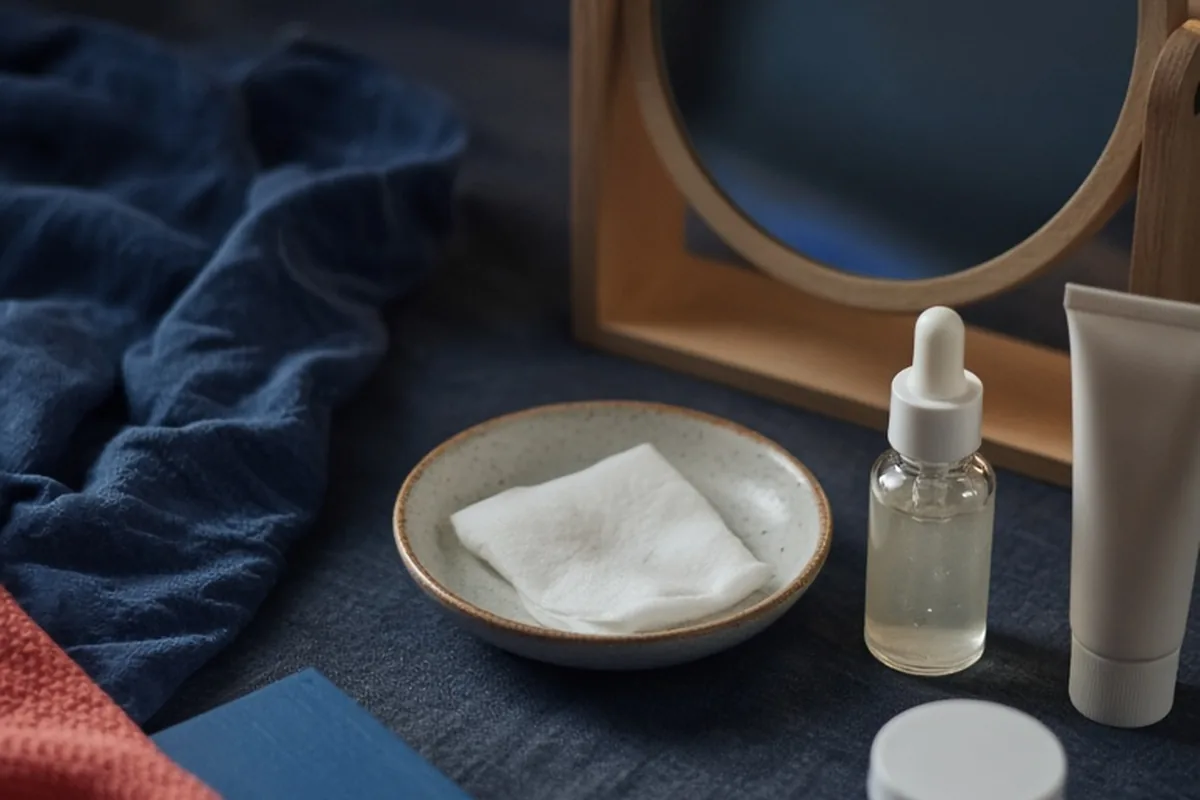
Facial contact dermatitis is an inflammatory reaction triggered when something touching your face either irritates the skin barrier or activates an allergic response. For beginners, the immediate priority is stepping back from active skincare ingredients, washing gently with lukewarm water, and applying a basic, fragrance-free barrier moisturizer. Identifying whether an irritant or an allergen caused the flare helps prevent recurrences while your skin barrier gradually rebuilds.
Waking up with sudden redness, stinging, swelling, or rough patches across your face can feel alarming, especially if you recently introduced a new serum, cleanser, or laundry detergent. Facial skin is particularly thin and vascular, making it vulnerable to everyday exposures and topical formulas that other parts of your body might easily tolerate.
Distinguishing Irritant From Allergic Contact Dermatitis
Facial contact dermatitis falls into two primary categories: irritant contact dermatitis and allergic contact dermatitis. Irritant contact dermatitis is the more common form, accounting for the vast majority of cases. It occurs when a substance physically or chemically disrupts your outer skin barrier faster than your body can repair it. Common culprits include strong facial acids, high-strength retinoids, alcohol-heavy toners, or harsh surfactants like sodium lauryl sulfate. The sensation is typically characterized by immediate burning, stinging, or localized redness and dry peeling right where the offending product touched.
Allergic contact dermatitis, on the other hand, is a delayed immune-mediated response known as a type IV hypersensitivity. In this scenario, your immune system recognizes a specific ingredient as a foreign invader and mobilizes white blood cells against it. Because this reaction requires immune processing, symptoms often do not appear immediately; they frequently surface twenty-four to seventy-two hours after contact. Common allergens include synthetic fragrances, essential oils, botanical extracts, preservatives like methylisothiazolinone, and metals like nickel. Unlike irritant reactions, allergic flares tend to itch intensely, develop tiny raised bumps or fluid-filled blisters, and can easily spread beyond the exact site of initial contact.
Immediate Steps to Soothe an Active Facial Flare
When an unexpected flare begins, your first priority is an immediate elimination routine. Set aside all active skincare products, including chemical exfoliants such as glycolic, lactic, and salicylic acids, vitamin C serums, retinoids, physical scrubs, and facial brushes. Even products you have used without issue in the past can provoke stinging when your skin barrier is compromised. Cleanse your skin only with lukewarm water or an ultra-gentle, non-foaming, soap-free cleanser. Gently pat your face dry with a clean cotton towel without rubbing, as mechanical friction increases inflammation and delays recovery.
Moisturization should focus strictly on plain, non-irritating barrier support. Look for basic creams or ointments containing pure white petrolatum, squalane, or ceramides that list no added perfumes, plant oils, or masking fragrances. Applying a cool compress made of a clean cotton cloth soaked in plain cool water can significantly reduce burning and soothe the urge to scratch. Avoid popular home remedies such as apple cider vinegar, lemon juice, or tea tree oil; these acidic and aromatic substances damage the stratum corneum further and can create severe secondary chemical burns on already sensitized tissue.
Managing Contact Dermatitis Across Different Skin Types
People with oily or acne-prone skin often struggle with contact dermatitis because they mistake the sudden appearance of micro-bumps and redness for an acne breakout or a skin purge. In an effort to clear the bumps, many apply benzoyl peroxide, sulfur, or salicylic acid, which severely aggravates the dermatitis. True skin purging only occurs when using cellular-turnover actives like retinoids, and it typically appears in areas where you already experience frequent congestion. Contact dermatitis produces itchy, uniform, rash-like irritation without true blackheads or whiteheads. Oily types should pivot to a lightweight, fragrance-free gel-cream rather than thick ointments, keeping all acne spot treatments paused until the skin returns to baseline.
Those with naturally dry or sensitive skin have an inherently thinner lipid barrier, meaning irritants penetrate deeply and moisture escapes rapidly through transepidermal water loss. When contact dermatitis develops on dry skin, the area often becomes visibly parched, tight, and rough, with a crinkled or leathery surface texture. In these cases, a richer lipid-replenishing cream followed by a thin layer of pure petroleum jelly before bed provides the protective seal needed for epidermal repair. While heavy ointments may leave a temporary shine, that protective barrier prevents moisture loss while the underlying tissue regenerates.
Tracing Hidden Everyday Culprits on the Face
Facial contact dermatitis is not always caused by leave-on moisturizers or facial serums. Many reactions stem from indirect contact, airborne particles, or rinse-off products. Shampoos, conditioners, hair sprays, and dry shampoos frequently contain strong fragrances and preservatives that wash over the forehead, temples, and jawline, provoking irritation along the hairline. Similarly, laundry detergents, fabric softeners, and dryer sheets used on pillowcases can trigger overnight reactions across both cheeks. Switching to a fragrance-free, dye-free laundry detergent and avoiding fabric softeners can resolve unexplained facial sensitivity.
Your hands also transfer potential allergens directly to your face throughout the day. Fingernail polish, gel acrylates, hand creams, and nickel in rings or hair clips can easily end up on your eyelids and around your mouth. Eyelid skin is the thinnest skin on the body, making it the most frequent site for contact dermatitis triggered by nail products or eyelash curlers containing nickel. In addition, mobile phone screens harbor makeup buildup, oils, and metallic traces from cases; cleaning your phone regularly with an alcohol-free screen wipe can eliminate a frequent source of one-sided cheek irritation.
Safe Product Reintroduction and Patch Testing
Once your face has healed completely, which generally takes ten to twenty-one days, resist the temptation to jump back into a multi-step regimen all at once. Reintroducing multiple products simultaneously makes it impossible to identify which item triggered the reaction. Instead, introduce only one product at a time, keeping all other variables constant. Use that single item for at least ten to fourteen days before considering adding another step. If your skin stays calm throughout that two-week window, you can reasonably assume that specific formulation is safe for your barrier.
Before placing any suspected formula directly onto your face, perform a repeat open application test at home. Place a small, pea-sized dab of the product onto your inner forearm or the skin behind your ear twice daily for five to seven consecutive days. If the test area shows any redness, itching, swelling, or small bumps, do not apply that product to your facial skin. While this home screening test helps detect straightforward irritants and pronounced allergies, it cannot match the precision of medical patch testing conducted by a dermatologist, which tests dozens of standardized chemical isolates under controlled occlusion.
Recovery Expectations, Before-and-After Stages, and Medical Care
Understanding what to expect during recovery helps prevent panic during the healing process. During the initial flare, the skin looks inflamed, red, or swollen, accompanied by itching or heat. Within three to five days of removing the trigger and simplifying your routine, the intense inflammation should begin to subside. However, the skin often enters a transitional phase where it looks dry, dull, and flaky as it sheds damaged surface cells. Do not attempt to scrub away this peeling skin; allow it to detach naturally while keeping the area moisturized. Within two to three weeks, newly formed barrier cells typically restore a smooth, comfortable surface.
While mild cases improve with conservative home care, certain signs require timely medical evaluation. You should consult a healthcare provider or board-certified dermatologist if you experience swelling around your eyes that impairs vision, difficulty breathing, or severe pain. Furthermore, if you notice oozing yellow fluid, honey-colored crusting, or worsening warmth, a secondary bacterial infection may have developed. A dermatologist can confirm your diagnosis, rule out conditions like rosacea or seborrheic dermatitis, and prescribe a targeted, short-term anti-inflammatory treatment to calm the flare safely.
Illustrative Scenarios
Composite Scenario: Distinguishing a Reaction from a Breakout
An individual introduced an exfoliating chemical serum and a fragranced botanical cream into their nightly routine. Within forty-eight hours, their cheeks developed diffuse redness and dozens of tiny, itchy red bumps. Assuming this was an acne purge, they increased their use of a benzoyl peroxide wash, which caused intense burning and noticeable swelling. Recognizing that the reaction was spreading and itchy, they paused every active product, washed only with tepid water, and applied plain petroleum jelly. Within eight days, the itching stopped, the swelling vanished, and the rough surface flaked away smoothly.
Key point: Sudden, itchy, uniform bumps and stinging across the face indicate barrier disruption or dermatitis rather than typical acne purging, requiring immediate elimination of all active ingredients.
Frequently asked questions
Can you combine active ingredients while recovering from facial contact dermatitis?
No, you should pause all active ingredients such as retinoids, exfoliating acids, and vitamin C during recovery. Combining actives while your barrier is compromised can drive deeper chemical irritation and prolong the flare. Stick to a basic cleanser and plain barrier moisturizer until skin is fully calm.
How can I tell if my reaction is facial contact dermatitis or rosacea?
Contact dermatitis is linked to direct contact with a specific trigger and typically clears once that trigger is removed. Rosacea is an ongoing vascular condition marked by persistent central facial redness, visible blood vessels, and sensitivity to internal or environmental triggers like heat, alcohol, or spicy food. A board-certified dermatologist can evaluate your skin to provide an accurate diagnosis.
Are natural or organic skincare products safer for contact dermatitis?
Natural formulas are not inherently gentler and often carry higher risks of allergic contact dermatitis due to plant extracts and essential oils. Unrefined botanical oils and floral essences contain complex compounds that commonly trigger immune reactions. When managing reactive skin, simple synthetic, fragrance-free formulations with minimal ingredients are generally less sensitizing.
How long does facial contact dermatitis take to clear up completely?
Irritant contact dermatitis often starts improving within three to seven days once you remove the irritating product. Allergic contact dermatitis can take two to three weeks to fully resolve as the immune response calms and damaged epidermal cells shed. Consistent use of a minimalist, fragrance-free routine supports this natural healing window.
Your next step
Pause all active skincare products immediately and wash your face only with lukewarm water and a plain, fragrance-free barrier moisturizer for the next seven days while noting any new products that touched your skin.