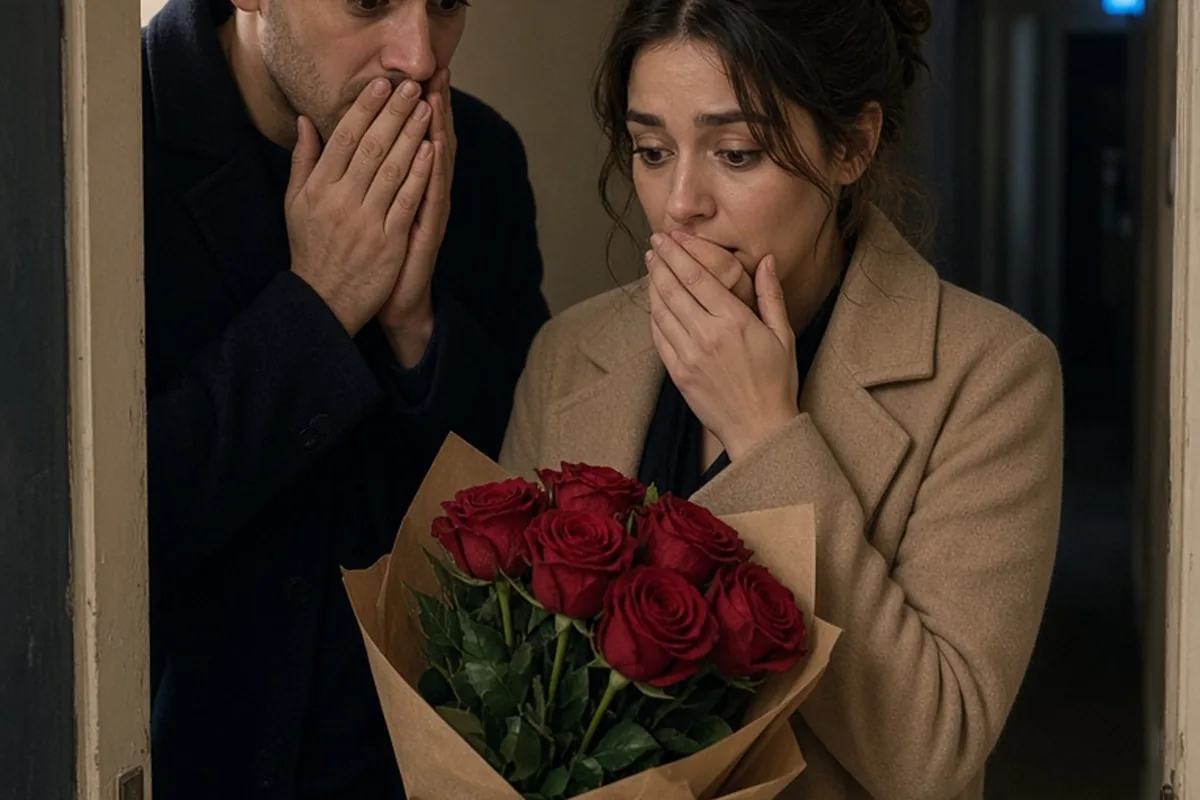
Valentine's Day dating anxiety often stems from heightened cultural expectations, fear of social awkwardness, and the vulnerability of exchanging gestures like flowers. To manage these nerves, acknowledge your feelings openly, keep gifts and plans simple, and focus on personal conversation rather than staging a flawless romantic performance. Relieving performance pressure allows both partners to relax and connect authentically.
Stepping into a date on February fourteenth clutching a bouquet while your stomach churns is a familiar experience for anyone navigating early romance. When commercialized expectations collide with personal vulnerability, even a kind gesture can trigger sudden hesitation and self-consciousness.
Understanding Why Valentine Dates Trigger Intense Nervousness
Valentine's Day carries an unusual amount of cultural weight, turning an ordinary evening into what many perceive as a high-stakes evaluation of romantic potential. When you are standing outside a venue with flowers in hand, your nervous system can easily interpret the situation as an intense social test. The fear of being judged, misinterpreting the stage of your relationship, or delivering an awkward greeting causes many people to freeze or second-guess their actions. This reaction is not a sign of emotional weakness; it is a predictable response to sudden social vulnerability.
The commercial narrative surrounding the holiday implies that every gesture must be cinematic, which creates an artificial gap between reality and expectation. In early dating, neither person typically knows the other well enough to guarantee seamless chemistry under theatrical conditions. Recognizing that this tension is created by external holiday framing rather than personal inadequacy can immediately lower your internal pressure. When you accept that mild awkwardness is standard for holiday dating, your focus shifts from avoiding mistakes to simply enjoying the shared experience.
Navigating the Awkwardness of Flowers and Early Gift Giving
Carrying flowers or a wrapped gift can amplify self-consciousness, making you feel overly exposed before the date even starts. The physical act of holding a gift turns your romantic intentions into a visible display, prompting worries about whether the gesture is too intense, too modest, or poorly timed. For example, presenting a massive floral arrangement on a casual second date might make you worry about overwhelming your partner, while bringing nothing might cause concerns about seeming indifferent. Striking the right balance requires choosing items that reflect the actual duration and intimacy of your connection.
When handing over flowers or a small token, keep the presentation simple and direct rather than dramatic. A quick, warm statement such as wanting to bring something bright for the table removes the pressure for a grand reaction. Give the recipient an easy opportunity to place the items aside so neither of you is encumbered during dinner or walking. The trade-off of bringing gifts early in dating is the temporary vulnerability it requires, but keeping the gesture modest keeps the interaction grounded and comfortable.
Techniques for Calming Physical Symptoms of Dating Anxiety
Acute nervousness often manifests physically through rapid breathing, trembling hands, a tense posture, or the urge to cover your face. When these physical sensations arise, trying to force yourself to look completely confident can backfire and create more tension. Instead, practice brief grounding techniques before meeting your date. Taking slow, controlled breaths with extended exhalations helps signal your nervous system to ease muscle tension, while anchoring your attention on physical surroundings redirects mental focus away from catastrophic thoughts.
If you catch yourself making anxious gestures, such as nervously covering your mouth or fidgeting with your sleeves, use those cues as gentle reminders to reset your posture. Drop your shoulders away from your ears, plant your feet firmly on the ground, and allow your hands to rest comfortably at your sides or on the table. A practical approach is to briefly acknowledge the chill in the air or the bustle of the venue, giving yourself a momentary conversational bridge while your physical composure catches up.
Replacing Scripted Romance with Genuine Conversation
A major source of dating anxiety is the mental script people construct, attempting to anticipate every line of conversation and romantic milestone throughout the evening. Scripting creates cognitive overload, making it difficult to listen actively because you are constantly planning your next comment. When conversation stalls, individuals prone to anxiety often assume the silence reflects poorly on their personality, leading to rushed, unnatural chatter that increases mutual discomfort.
Shift your objective from performing well to observing how the two of you interact organically. Ask open-ended questions about topics unrelated to romance, such as recent personal projects, humorous travel mishaps, or favorite local spots. For instance, asking what made them laugh recently invites a relaxed, authentic story rather than a rehearsed dating answer. Embracing natural pauses in conversation as comfortable breaks rather than emergencies allows both of you room to breathe and settle into the environment.
Choosing Date Environments that Reduce Performance Pressure
Traditional Valentine's Day setups, such as cramped, candlelit dining rooms with fixed menus, inherently heighten pressure by forcing sustained eye contact across a tiny table. If you are already prone to date anxiety, this formal atmosphere can feel restrictive and intimidating. Choosing an environment that incorporates low-key activity or informal seating can drastically reduce the spotlight effect and help you both feel more at ease.
Consider venues where conversation is supported by shared external stimulation, such as an art gallery, an interactive cooking class, a relaxed dessert lounge, or a botanical conservatory. These settings allow you to walk side-by-side rather than sitting directly opposite one another under intense focus. While informal venues might lack the traditional cinematic romance of a formal restaurant, the trade-off is a significantly more relaxed dynamic where authentic connection can develop without performative expectations.
Using Light Humor and Honest Vulnerability to Break the Ice
Attempting to project total unflappability when you are visibly nervous often creates an awkward emotional distance. In contrast, naming the elephant in the room with lighthearted honesty can immediately disarm tension. A simple, self-effacing remark about holiday nerves or crowded restaurants demonstrates self-awareness and invites the other person to drop their own guard.
For example, if you fumbled the flowers or arrived with visibly cold, shaking hands, a brief comment like acknowledging that Valentine's Day reservations always add a bit of comedic chaos shows that you do not take the pressure too seriously. The key limit is to keep the observation brief and cheerful rather than turning the entire evening into a lengthy dissection of your insecurities. Light vulnerability builds rapport, whereas prolonged self-criticism places an unfair burden on your date to reassure you.
Frequently asked questions
What should I do if my date notices that I am nervous?
Acknowledge it briefly with a warm smile and a simple comment, such as admitting that holiday dates always bring a little excitement. Refocus the conversation on your date or your surroundings immediately after. Most people find modest nervousness endearing rather than off-putting when it is met with self-acceptance.
Is it mandatory to bring flowers on a first or second date on Valentine's Day?
No, flowers are never mandatory and should depend on what feels natural for your current dynamic. If you want to bring something, a single stem or a small, casual treat is thoughtful without creating unnecessary pressure. Choose an option that fits the relaxed tone of an early-stage meeting.
How can I handle an awkward silence during a romantic holiday date?
Take a calm sip of water, smile, and let the pause happen without treating it as a mistake. You can easily restart the flow by commenting on a neutral detail in the room or asking a thoughtful follow-up about something your date mentioned earlier. Pauses are a normal part of real conversation.
Your next step
For your next Valentine date, decide on one simple, low-pressure gesture in advance and commit to focusing entirely on curiosity about your partner rather than evaluating your own performance.