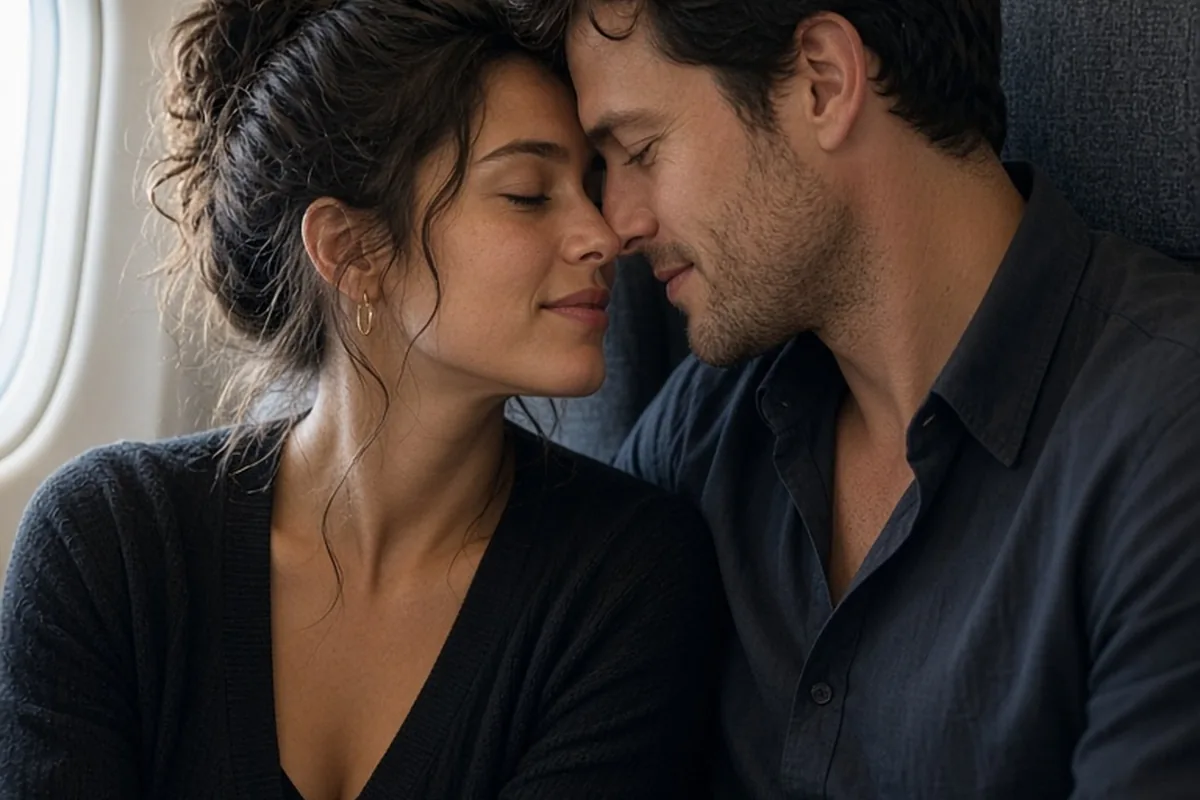
Being intimate in flight often contrasts sharply with popular culture fantasies. Commercial aircraft are shared public spaces with strict federal regulations, small lavatories, and zero expectation of legal privacy. Couples seeking romance in transit achieve far better experiences by focusing on subtle, considerate physical touch at their seats, shared sensory experiences, and building anticipation for arrival rather than risking legal penalties or disruptions.
Pop culture has long romanticized the idea of joining the mile-high club, portraying airplane cabins as glamorous backdrops for spontaneous passion. The reality of modern commercial aviation involves cramped rows, active cabin crews, thin walls, and strict safety guidelines that make overt physical intimacy stressful, unsanitary, and legally risky.
Understanding the Commercial Aviation Environment and Passenger Expectations
A commercial flight is fundamentally a crowded public conveyance moving through tightly regulated airspace. Unlike hotel rooms or private vehicles, an airplane cabin offers virtually no true privacy, even behind closed lavatory doors. Passengers and flight attendants share an enclosed space where sounds, sudden movements, and unusual door activity are immediately obvious. Flight crews are trained to monitor cabin behavior constantly, primarily for safety, security, and passenger comfort.
Recognizing the shared nature of this environment helps reframe what romance can look like at cruising altitude. Trying to force overt sexual encounters into tight lavatories or under airline blankets ignores the comfort of fellow passengers and the duties of the crew. When couples understand that an airplane is an operational transit space, they can let go of unrealistic media tropes and explore genuine, subtle ways to feel connected without infringing on everyone else sharing the flight.
Legal Regulations and the Authority of Cabin Crews
Under aviation law in the United States and most international jurisdictions, flight attendants and pilots maintain direct authority over passenger conduct to ensure flight safety. Disobeying crew instructions or engaging in acts deemed lewd, disruptive, or indecent can lead to serious consequences upon landing. Federal regulations prohibit interfering with flight crew members, and entering lavatories together or causing commotions can quickly escalate into official security reports.
In practical terms, the risks of attempting overt sexual acts on a plane extend far beyond a momentary scolding from a flight attendant. Depending on the airline, the jurisdiction governing the airspace, and the specific behavior involved, consequences can range from being met by local police at the gate to receiving formal bans from the airline or facing criminal misdemeanor charges for public indecency. The potential embarrassment, legal costs, and travel disruptions vastly outweigh any fleeting novelty.
Hygiene and Physical Constraints of Airplane Lavatories
Beyond legal and social implications, the physical environment of an airplane lavatory is poorly suited for romance. Modern aircraft bathrooms are engineered for minimal weight and rapid sanitation, leaving barely enough square footage for a single person to move comfortably. The surfaces in public aircraft restrooms harbor heavy concentrations of bacteria, making close contact with walls, counters, or fixtures unappealing for anyone conscious of basic hygiene.
Additionally, airplane lavatory doors are designed for rapid external access during medical emergencies, meaning flight attendants can unlock them from the outside at any time. Experiencing unexpected turbulence while maneuvering in a confined space also introduces a legitimate risk of physical injury. When evaluated objectively, the physical discomfort, lack of space, and cleanliness concerns make lavatory encounters significantly less enjoyable than movies suggest.
Subtle Physical Closeness at Your Seats Without Disrupting Neighbors
Intimacy does not require explicit physical acts; it thrives on attentiveness, warmth, and quiet physical contact. Couples traveling together can cultivate genuine closeness right in their assigned seats while remaining completely respectful of the surrounding cabin. Simple gestures like holding hands during takeoff, resting a head on a partner's shoulder, or offering a gentle hand or neck massage can create a comforting bubble of private connection within a public room.
For example, sharing a cozy travel blanket while watching a movie together on a single screen creates an intimate rhythm without attracting unwanted attention. The key is ensuring that all gestures remain visibly modest and non-suggestive. By keeping touch gentle, quiet, and discreet, partners reassure one another, ease travel anxiety, and foster a private bond that feels warm rather than performative or disruptive.
Emotional and Sensory Ways to Connect on Long Flights
Long flights offer an uninterrupted block of time that couples rarely experience during everyday life, free from household chores, phone notifications, and workplace interruptions. Taking advantage of this pause allows partners to engage in deep conversations, share reflections, or play cooperative games using travel-sized cards or digital apps. Listening to the same curated playlist or audiobook using a headphone splitter or synchronized Bluetooth pairing creates a shared emotional atmosphere.
Couples can also use transit time to practice attentive caretaking. Offering a soothing lip balm, sharing a refreshing facial mist, preparing a surprise snack, or quietly talking through goals for the upcoming trip can deepen romantic bonds far more effectively than physical novelty. These sensory and conversational touches turn tedious transit hours into a meaningful collaborative experience.
Private Aviation and Luxury Options for Couples Seeking True In-Flight Privacy
For travelers whose dream includes legitimate, uncompromised intimacy during flight, commercial cabins are simply the wrong venue. Those with the appropriate budget can look to specialized private aviation charters or ultra-premium commercial suites designed specifically for total privacy. Certain international airlines offer enclosed first-class suites featuring full double beds, sliding privacy doors, and dedicated personal service that honors passenger privacy within legal boundaries.
Additionally, select private air charter services in destination cities cater specifically to romantic flights, offering certified private cabins equipped with beds, custom catering, and soundproofing away from other travelers. While these options require substantial financial investment, they provide a safe, legal, and hygienic way to celebrate an anniversary or special occasion in the air without risk of legal trouble or public embarrassment.
Using In-Flight Transit to Build Anticipation for Your Destination
One of the most satisfying ways to manage romantic energy during a flight is using the transit time deliberately as a prelude to your arrival. Seduction and emotional connection often rely heavily on anticipation, imagination, and shared longing. Spending flight hours writing affectionate notes, whispering about private plans for the first evening at the hotel, or sharing quiet jokes builds positive tension that enriches the entire trip.
Once the flight lands, luggage is collected, and you check into your accommodations, that accumulated anticipation can unfold naturally in a comfortable, private, and clean environment. Treating the flight as the opening chapter of a romantic getaway rather than the main event keeps your travel stress-free, respectful of flight personnel, and deeply rewarding once you reach your destination.
Frequently asked questions
Is it illegal to be physically intimate in an airplane bathroom?
While flight regulations do not always have a single law explicitly mentioning lavatories, engaging in sexual acts on a plane can lead to charges of public lewdness, interference with flight crew duties, or disorderly conduct. Flight crews have the legal authority to open lavatory doors from the outside and report disruptive passengers directly to airport law enforcement.
How can couples show affection on a plane without making others uncomfortable?
Focus on quiet, modest physical contact such as holding hands, leaning against each other's shoulders, or sharing a blanket while watching entertainment. Keeping gestures respectful, non-sexual, and contained to your personal seating space ensures fellow travelers and flight attendants remain comfortable.
Do flight attendants really notice when couples try to sneak into a lavatory together?
Yes, flight attendants are highly trained to monitor passenger movements, maintain safety clearances, and prevent lavatory crowding. Two people entering a single restroom almost always draws immediate attention, prompting crew members to knock or unlock the door for safety and security reasons.
What is the best alternative to attempting romance in a commercial flight cabin?
The most rewarding approach is using the flight to relax, converse, and build anticipation through affectionate conversation and shared entertainment. Reserving physical intimacy for your private hotel room or rental home upon landing ensures safety, comfort, and genuine privacy.
Your next step
Shift your focus from public in-flight novelties to quiet connection, considerate gestures, and building shared anticipation that can be fully enjoyed once you reach the comfort and privacy of your destination.