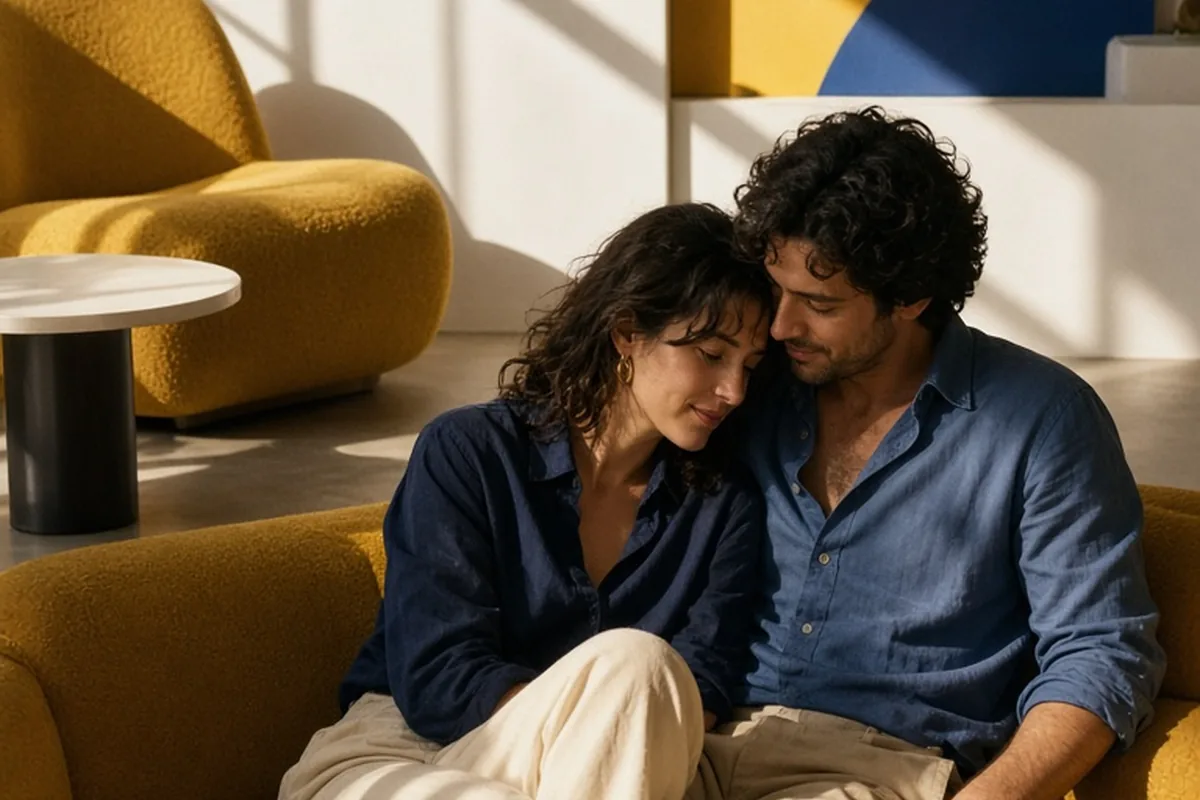
A great couple photo captures authentic connection rather than rigid perfection. To achieve natural results, focus on comfortable interaction, soft natural lighting, and relaxed body language instead of stiff poses. Communicating beforehand about personal comfort levels and photo privacy ensures both partners feel respected, resulting in images that genuinely reflect the relationship rather than performance.
Taking photographs together often highlights the balance between capturing a sincere memory and managing the subtle pressure to look picture-perfect. Whether planning an intentional portrait session or snapping quick candid pictures on a weekend walk, focusing on comfort and emotional connection creates far more compelling visual memories than chasing artificial perfection.
Finding Natural Posing Dynamics Through Movement
Posing often feels awkward because traditional photography prompts force static postures that people rarely hold in everyday life. When partners stand shoulder-to-shoulder, facing forward with frozen smiles, tension visibly settles in the shoulders and jawline. Instead of locking into a motionless stance, couples benefit from incorporating subtle, continuous motion into their portraits. Walking side-by-side while talking, turning slightly toward one another, or resting a hand gently on an arm or waist creates soft, organic lines. This movement shifts attention away from the camera lens and redirects it toward the physical presence of each other, immediately softening expressions.
A practical approach to natural posing is using connection prompts rather than precise body placements. Rather than asking each other to tilt a head at a specific angle, try leaning in to whisper a shared joke or recounting a favorite memory from the past week. This naturally elicits spontaneous smiles, subtle laughter, and relaxed eye contact. However, it is essential to respect personal preferences regarding physical touch. If one partner feels uncomfortable with public displays of affection or close physical contact in front of a lens, forcing traditional romantic poses can create visible unease. Adapting the setup so that both individuals feel physically at ease ensures the photograph reflects genuine mutual comfort.
Choosing Flattering Light and Simple Environments
Lighting shapes the mood and quality of any photograph far more than expensive camera gear. Direct overhead midday sun creates harsh shadows under the eyes and nose, causing squinting and unflattering contrast. The most flattering natural light occurs during the golden hour—the period shortly after sunrise or before sunset—when the sun sits low on the horizon, casting warm, diffused illumination. When shooting indoors, positioning yourselves perpendicular or at a slight angle to a large window provides soft, directional light that gently sculpts facial features without washing them out.
Environmental selection should complement, rather than overpower, the subjects. Busy backgrounds with distracting elements, such as bright signs or cluttered furniture, draw the viewer's eye away from the relationship dynamic. Opting for clean architectural lines, quiet park paths, or familiar domestic spaces like a cozy kitchen creates an intimate atmosphere. The primary limitation to keep in mind is environmental distraction; choosing a heavily crowded tourist spot or a chaotic street might make self-conscious partners feel rushed or observed, detracting from the relaxed environment necessary for good portraits.
Overcoming Camera Shyness and Performance Pressure
Feeling self-conscious in front of a camera is common, especially when one partner loves taking photos while the other dislikes being photographed. This imbalance can introduce friction, turning a lighthearted moment into an obligation. Addressing camera anxiety begins by lowering expectations for instant perfection. Acknowledging that the first ten or twenty shots might feel clumsy allows both partners to settle in without judgment. Shifting the objective from producing a flawless portrait to simply documenting a genuine moment in time removes the perceived stakes.
To break tension, engage in an activity rather than just standing and waiting for the shutter to click. Preparing coffee together, browsing a bookstore, or tossing a ball to a pet gives hands and minds something constructive to do. The photographer or self-timer can then capture in-between moments—the unscripted smiles, thoughtful glances, and spontaneous reactions that occur between planned shots. The trade-off of this approach is that it requires patience; capturing a great candid moment often means taking many frames to find the one where movement, expression, and composition seamlessly align.
Establishing Digital Boundaries and Sharing Consent
In an era where digital sharing is commonplace, agreeing on photo privacy and social media visibility is a vital relationship practice. Partners often have divergent values regarding personal privacy: one might enjoy sharing milestones publicly on social platforms, while the other prefers keeping personal imagery private. Assuming that a mutually enjoyed portrait is automatically approved for public distribution can lead to misunderstandings or feelings of boundary violation. A healthy practice involves having explicit conversations about where and with whom couple photos will be shared.
Establishing clear consent before posting takes only a few seconds but reinforces trust. Simply asking whether a partner is comfortable with a specific picture being uploaded online respects personal agency. If a partner prefers not to appear on public feeds, there are creative ways to document the relationship without public exposure, such as printing physical photos for private albums or sharing digital copies exclusively with close family. Prioritizing partner comfort over social media validation ensures that photo-taking remains a source of connection rather than contention.
Documenting Everyday Life Versus Planned Sessions
While formal portraits for anniversaries or special events have their place, everyday documentary-style photography often captures the deepest emotional resonance. Images taken during ordinary routines—such as a quiet weekend morning, cooking dinner together, or embarking on a casual road trip—reflect the authentic rhythm of a partnership. These everyday frames capture real environments, uncurated clothing, and natural expressions that convey genuine familiarity and shared history better than staged photo shoots with artificial props.
When planning creative themes, ground them in real shared interests rather than mimicking viral trends that feel foreign to your dynamic. If both partners love outdoor hiking, setting up a tripod on a trail feels authentic; if you prefer quiet evenings at home, documenting a board game night produces meaningful imagery. The trade-off with documentary photography is that the visual composition may not look as polished as a studio session, but the emotional authenticity and sentimental value over time consistently outweigh clinical aesthetic perfection.
Navigating Self-Timer Setups Versus Professional Shoots
Deciding between a self-timer DIY approach and hiring a professional photographer depends on budget, comfort level, and the intended purpose of the images. A smartphone paired with an inexpensive Bluetooth remote and tripod allows complete privacy, zero financial cost, and unlimited retries, making it ideal for couples who feel shy in front of strangers. Setting a video recording on high resolution and pulling high-quality still frames from the footage is another practical DIY technique that completely removes the pressure of posing for a countdown.
Conversely, hiring an experienced portrait photographer brings professional lighting expertise, compositional skill, and objective direction that can elevate special milestone photos. When choosing a professional, review their portfolio to ensure their shooting style matches your aesthetic—whether documentary, warm, or structured. Transparently communicating your comfort levels, personal preferences, and any specific anxieties beforehand allows the photographer to tailor their guidance, ensuring a productive and stress-free session.
Frequently asked questions
What should we wear for a couple photo shoot?
Choose complementary colors and comfortable textures rather than identical matching outfits. Avoid busy logos or high-contrast patterns that distract the eye, and pick clothing that allows you to move freely and feel confident.
How can we look less stiff in couple photos?
Focus on interaction and movement rather than standing perfectly still for the camera. Walk, talk, laugh, or focus your gaze on each other instead of staring directly into the lens to help your posture and facial expressions relax naturally.
What if one partner dislikes taking photos?
Keep sessions short, agree on clear boundaries beforehand, and eliminate the pressure to post the photos online. Focusing on low-pressure candid moments or brief five-minute shoots helps respect their comfort while still capturing memories.
Your next step
Pick one relaxed setting and spend ten minutes taking photos while focusing on interaction and movement rather than rigid posing.