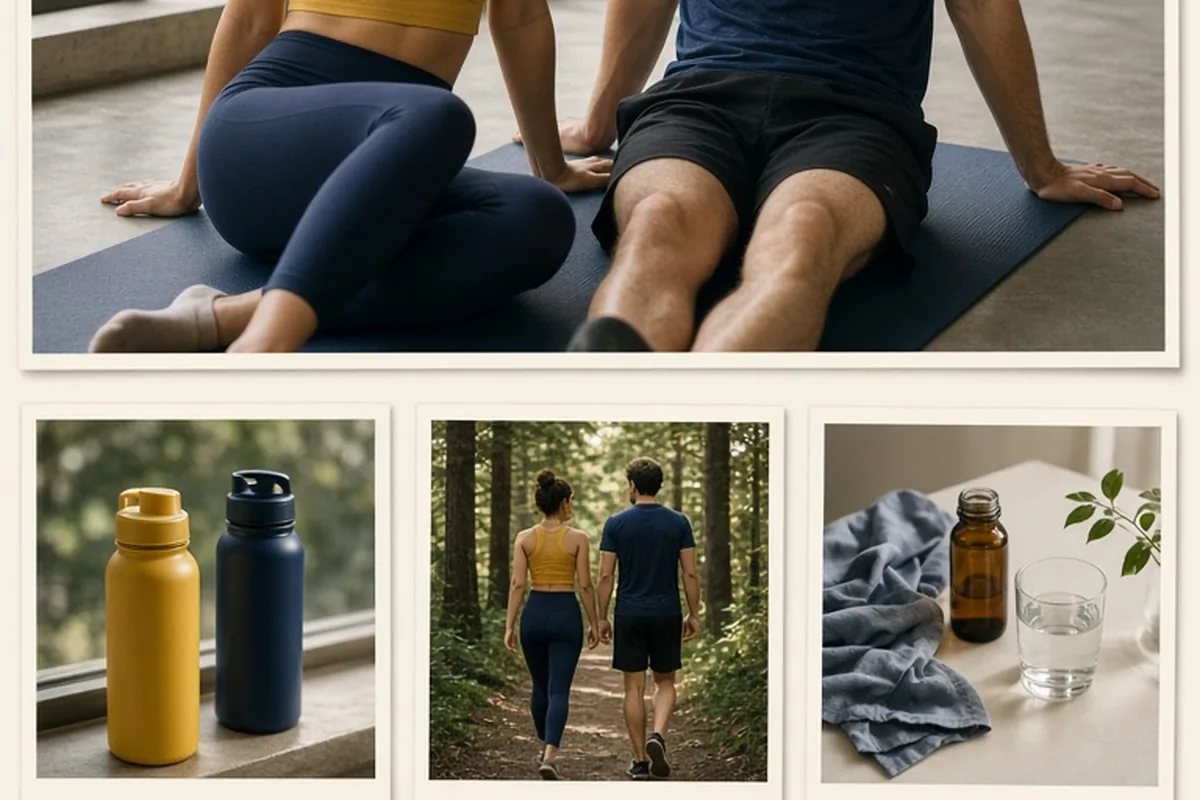
Couples who exercise together often experience better intimacy because shared workouts release mood-lifting endorphins, reduce daily stress, and increase physical vitality. Shared exertion fosters nonverbal coordination, mutual respect, and renewed attraction by breaking predictable routines. While joint fitness is not a cure-all for deep relationship conflicts, it provides a shared goal that naturally strengthens emotional and physical closeness.
Many partners find that the energy they bring to the bedroom mirrors the energy they cultivate throughout the week. When daily obligations drain your stamina and attention, moving together in a gym, on a trail, or in a living room can reset how you interact, turning shared physical effort into a quiet foundation for renewed romance.
The Physiological Spark: How Shared Movement Fuels Vitality
Regular physical exercise fundamentally alters how the human body experiences energy and stress. When you engage in cardiovascular or resistance training, your body increases circulation, stimulates endorphin release, and regulates cortisol levels. For a couple, engaging in this biological shift side by side creates a shared state of heightened alertness and well-being. Instead of meeting each other at the end of the day feeling depleted, sluggish, or distracted by screens, both partners arrive with stimulated nervous systems and an elevated baseline of energy.
This physical rejuvenation directly influences personal comfort and mutual desire. People who move their bodies consistently tend to feel more grounded, physically capable, and connected to their own senses. When you feel confident and comfortable in your own skin, engaging intimately with your partner feels far more natural and inviting. Witnessing your partner push through physical exertion can also trigger a renewed sense of visual and dynamic attraction, reminding you of their vitality outside of mundane domestic routines.
However, physical activity only supports intimacy when it is approached as an energizing practice rather than an exhausting obligation. Overtraining or obsessing over extreme workout regimens can produce the opposite effect, leaving both partners physically depleted and irritable. Finding a sustainable balance of moderate intensity ensures that your fitness routine fuels your romantic connection rather than draining whatever stamina you have left.
Breaking Domestic Routines Through Joint Physical Challenges
Long-term relationships often settle into predictable, functional patterns centered on chores, work deadlines, and administrative coordination. While stability is essential for emotional security, excessive predictability can mute spontaneous romantic excitement. Stepping into a fitness environment together temporarily strips away these domestic roles. You are no longer just roommates managing a household; you become two active individuals tackling a tangible physical challenge together.
Whether you are completing a challenging trail run, learning a new lifting movement, or holding a difficult yoga pose, working through physical discomfort toward a shared finish line creates a micro-adventure. Overcoming physical resistance alongside your partner triggers a sense of shared accomplishment. This shared dopamine response reinforces positive associations with one another, making your interactions feel dynamic, playful, and collaborative rather than repetitive.
To make this work in everyday life, focus on creating an environment of mutual encouragement rather than competition. If one person treats a shared workout as a contest to prove superior stamina, it can introduce defensiveness or resentment. Framing the session around personal effort and shared presence allows both of you to benefit from the novelty without the pressure of performance comparisons.
Building Nonverbal Attunement and Mutual Physical Trust
Intimacy relies heavily on nonverbal communication, physical coordination, and the ability to read subtle cues from your partner. Working out together provides a continuous, low-stakes environment to practice this exact physical attunement. Simple actions like spotting a heavy lift, adjusting your running stride to match your partner's cadence, or passing a medicine ball require you to pay close attention to the other person's body language, breathing, and comfort levels.
This physical presence builds a quiet, instinctive trust. When a partner demonstrates reliable physical support in the gym—paying attention, offering steady hands when needed, and respecting limits—it fosters a deep sense of safety. Feeling physically secure with someone translates directly into vulnerability behind closed doors, where physical openness and emotional trust are paramount.
Practicing nonverbal awareness during exercise also trains you to check in without relying solely on complex conversations. You learn to recognize when your partner is pushing through fatigue, when they need encouragement, and when they need space to rest. Carrying that baseline of observant, attentive care into your private life makes it much easier to stay responsive and connected during intimate moments.
Navigating Disparities in Fitness Levels and Personal Goals
A common obstacle couples face when trying to exercise together is a mismatch in experience, strength, or athletic preference. One partner might be an experienced runner aiming for a marathon, while the other prefers low-impact mobility work or beginner strength training. Trying to force identical routines onto partners with vastly different baseline capabilities can lead to frustration, feelings of inadequacy, or unsolicited coaching that damages romantic rapport.
The solution lies in creating shared time and space rather than enforcing identical movements. You might ride stationary bikes side by side at your own individual resistances, work out on opposite sides of the same weight room, or alternate intervals during a shared session at the track. This approach preserves the feeling of solidarity and companionship while respecting each person's individual pace, autonomy, and personal goals.
Equally important is avoiding the trap of unsolicited advice. Unless your partner explicitly asks for technique guidance or coaching, avoid constantly critiquing their form or pacing. Maintaining horizontal peer dynamics where you are supportive teammates—rather than a coach and a student—keeps mutual respect intact and prevents resentment from lingering into the evening.
Bridging Post-Workout Energy Into Meaningful Intimacy
The transition period immediately following a workout offers a unique window of physical closeness. After exercise, the body remains warm, the mind is clear of workday clutter, and the release of tension creates a receptive, relaxed state. Intimacy does not necessarily mean rushing immediately into sexual activity; it can begin with shared post-workout rituals that foster gentle affection and casual touch.
Consider using the post-exercise window for collaborative, grounding activities. Preparing a nutritious meal together, sharing a recovery shower, or taking fifteen minutes to stretch on the living room floor can establish a smooth bridge between physical effort and romantic relaxation. These quiet, shared moments allow you to enjoy each other's presence without the mental noise of lingering responsibilities or digital distractions.
Keep expectations light and free of obligation. Physical intimacy should always be an invitation rather than an assumed outcome of finishing a workout. When both partners know that working out together comes with zero pressure to perform later, the shared routine remains a safe, enjoyable sanctuary that naturally invites closeness when desire arises organically.
Healthy Boundaries and Avoiding Fitness-Related Friction
While shared fitness can significantly enhance romantic vitality, it can also create friction if boundaries are not respected. Exercise can bring up vulnerabilities regarding body image, physical performance, and self-worth. If one partner feels judged, pressured, or compared to idealized standards, fitness stops being a source of connection and becomes an emotional stressor that stifles desire.
Cultivating a healthy fitness dynamic requires focusing on how movement makes you feel rather than rigidly obsessing over appearance or aesthetic benchmarks. Celebrate functional achievements, improved energy, and shared consistency rather than commenting critically on physical changes or perceived shortcomings. Creating a culture of unconditional acceptance around your partner's body is fundamental to sustaining long-term romantic and sexual confidence.
Additionally, maintain respect for individual autonomy. There will be days when one partner is too exhausted, dealing with injury, or simply prefers to exercise alone to clear their head. Allowing each other the freedom to opt out without guilt ensures that shared workouts remain a mutually chosen pleasure rather than a rigid requirement.
Illustrative Scenarios
Letting Go of the Coaching Role
Mark and Tanya decided to start lifting weights together on weekday mornings. Mark had lifted for years, while Tanya was new to resistance training. Within their first week, Mark spent most of the sessions correcting Tanya's form, tracking her rests, and telling her to lift heavier. Tanya grew frustrated and quiet, feeling micromanaged rather than supported, and their evening connection became distant. Recognizing the tension, Mark apologized and shifted his approach. Instead of coaching, he focused on his own workout while simply remaining nearby to spot her when asked and celebrate her consistency. Relieved of performance pressure, Tanya began looking forward to their morning routine, and their shared post-gym breakfasts became warm, flirtatious, and engaging again.
Key point: Shared fitness strengthens attraction when both partners interact as supportive peers rather than a coach and a student.
Overcoming Evening Fatigue Through Short Movement
Brian and Leah both worked demanding desk jobs and frequently ended their days exhausted, spending their evenings scrolling on their phones before falling asleep disconnected. While they wanted to improve their physical closeness, neither had the energy for traditional romance at night. They decided to introduce a simple twenty-minute bodyweight and stretching circuit in their living room right after clocking out. Moving together shook off the workday sluggishness, created playful banter over awkward stretches, and broke the cycle of screen fatigue. The burst of physical energy and laughter naturally translated into renewed evening intimacy throughout the week.
Key point: Short, low-pressure physical activity can disrupt sedentary exhaustion and restore the vitality needed for spontaneous romance.
Frequently asked questions
What if my partner and I have completely different fitness goals or abilities?
You do not need to perform identical workouts to reap the relational benefits. Working out in the same space, running at different paces on adjacent treadmills, or simply walking and stretching together allows you to share presence and energy while respecting individual fitness levels.
Can exercising together resolve deep-seated relationship or sexual problems?
Shared workouts can boost mood, stamina, and day-to-day attraction, but they cannot replace honest communication, emotional repair, or professional support for unresolved conflicts. View exercise as a healthy amplifier of goodwill rather than a fix for fundamental communication breakdowns.
How often should we work out together to notice a difference in our connection?
Even one or two shared sessions per week can introduce positive momentum and disrupt monotonous routines. The goal is consistency and shared enjoyment rather than daily adherence, which might lead to burnout or logistical stress.
Your next step
Pick one low-pressure physical activity you both enjoy this week, such as a thirty-minute neighborhood walk or a light weekend bike ride, and focus on enjoying each other's company without monitoring performance metrics.