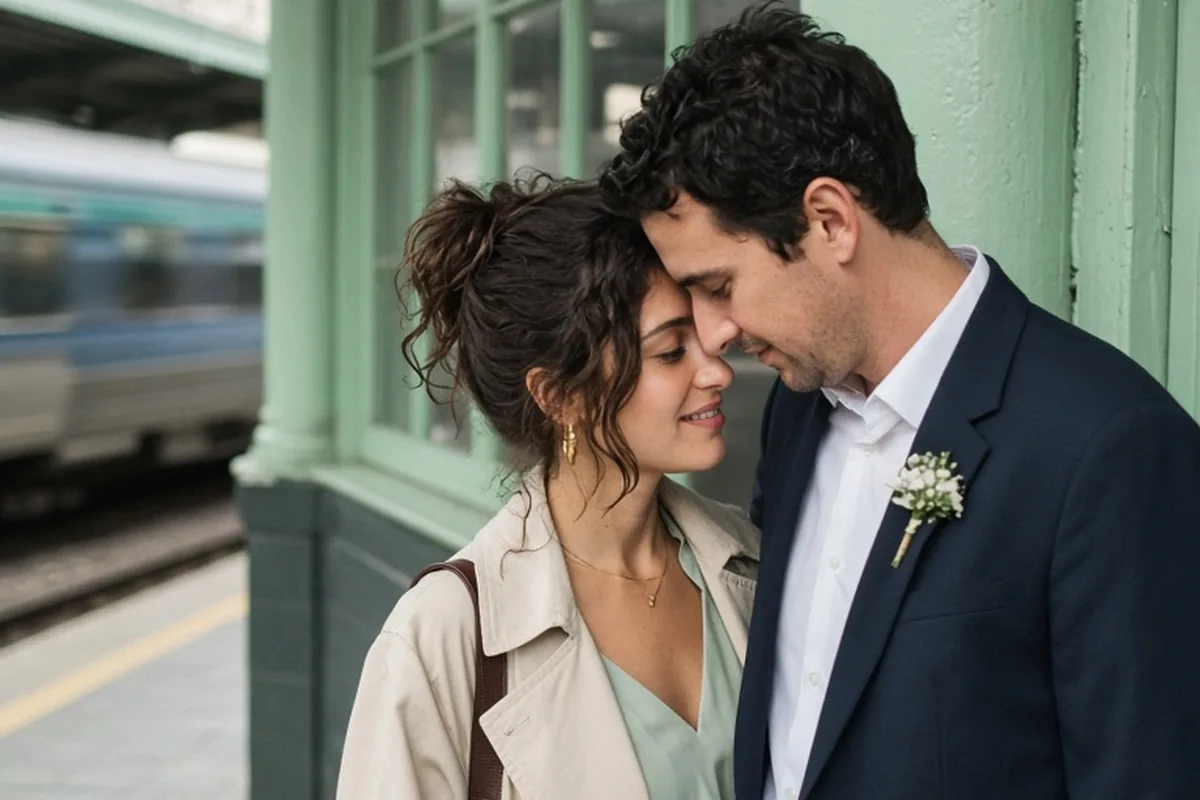
A courthouse wedding is a legally binding civil ceremony conducted by a government official, such as a judge, magistrate, or county clerk. To get married at a courthouse, a couple must apply for a marriage license, observe any required state waiting periods, schedule an appointment or arrive during walk-in hours, pay the administrative fees, and bring valid government identification alongside required witnesses.
Opting for a civil ceremony at a local municipal building or county courthouse offers an efficient, affordable, and meaningful way to legally formalize a marriage. While the process is simpler than organizing a large traditional event, navigating local government requirements still demands careful preparation, timely scheduling, and an understanding of jurisdictional rules.
Understanding Civil Marriage Requirements and Waiting Periods
Every state and county establishes distinct legal criteria for civil ceremonies. Before any ceremony can take place, both partners must obtain a valid marriage license issued by a designated government office, typically the county clerk, city registrar, or municipal court. Most jurisdictions mandate that both parties appear in person to present acceptable identification, such as a state driver license, passport, or birth certificate. If either applicant was previously married, official documentation proving the legal dissolution of that marriage, such as a certified divorce decree or death certificate, is universally required.
A critical factor in planning a courthouse ceremony is the regional statutory timeline. Several jurisdictions enforce mandatory waiting periods between the issuance of the marriage license and the moment the ceremony can legally occur. These waiting periods range from twenty-four hours to several days depending on state law. Conversely, other regions permit same-day licensing and ceremonies. Furthermore, marriage licenses have strict expiration windows, typically lasting between thirty and ninety days. Couples must ensure that their scheduled ceremony falls squarely within this active window to avoid needing to reapply and pay additional licensing fees.
- Government-issued photo identification confirming identity and age
- Certified records of previous marriage dissolutions, if applicable
- Payment for the marriage license application via accepted payment methods
- Verification of county-specific residency requirements prior to booking
Courthouse Wedding Compared to Elopements and Venues
Choosing between a courthouse ceremony, a private elopement, and a traditional venue wedding involves balancing budget, administrative simplicity, personal preferences, and guest involvement. A courthouse marriage minimizes logistical complexity by bundling the officiant, venue, and legal paperwork into a single brief appointment. This format is ideal for couples prioritizing legal simplicity, quick timelines, or strict financial limits, though it restricts personalization, ceremony duration, and attendee numbers.
In contrast, a structured elopement generally occurs at an outdoor or non-governmental site with an independent officiant and a small group of guests. This provides greater aesthetic freedom and scheduling flexibility while keeping costs moderate. A full-scale venue wedding offers maximum customization and guest capacity but requires substantial financial investment, extensive vendor coordination, and months of planning. Evaluating these pathways allows couples to select the format that aligns with their personal values and budget constraints.
- Courthouse Civil Ceremony: Lowest financial investment, rapid planning timeline, rigid guest limits, limited personal vows, standard government setting.
- Off-Site Private Elopement: Moderate costs, customizable scenic locations, flexible scheduling, small guest count, independent officiant required.
- Traditional Venue Wedding: Substantial budget required, extended planning horizon, high guest capacity, comprehensive vendor coordination, full creative control.
Courthouse Wedding Cost Categories and Financial Planning
While a civil wedding is significantly less expensive than a conventional wedding celebration, several administrative and optional expenses must be accounted for in your total budget. Government offices do not operate on standardized nationwide pricing; instead, individual counties set their own fee schedules for applications, officiant services, and document certified copies. Because municipal offices frequently have strict payment policies, couples should confirm accepted payment types, as some clerks accept only cash, cashier checks, or money orders, while others accept credit cards with an added processing fee.
In addition to baseline government fees, couples often budget for personal elements such as attire, photography, flowers, and celebratory meals following the appointment. Planning for these ancillary items early prevents unexpected expenses and ensures a memorable day without unnecessary financial strain.
- Marriage License Fee: Mandatory administrative charge paid to the county clerk or municipal registrar.
- Ceremony or Officiant Fee: Government charge for the judge, clerk, or commissioner performing the civil rite.
- Certified Copy Fees: Per-copy charges for official, certified marriage certificates needed for legal updates.
- Optional Attire and Florals: Personal investment in specialized clothing, a bouquet, or a boutonniere.
- Professional Photography: Hourly fees for a photographer to capture the ceremony and nearby portraits.
- Post-Ceremony Celebration: Expenses for a celebratory lunch, dinner, or small reception with close attendees.
Step-by-Step Logistics for the Marriage License and Appointment
Navigating the administrative pathway to a courthouse marriage requires executing specific tasks in an orderly sequence. The initial phase involves researching the precise municipal court or county clerk branch handling marriages in your area. Many modern offices provide online pre-application portals where couples submit personal information prior to their in-person documentation appointment, which significantly reduces waiting time at the counter.
Once the application is initiated, determine whether the courthouse operates on a walk-in basis or requires advance scheduling for ceremonies. In high-density population centers, civil ceremony slots can fill up weeks or months in advance. Secure your appointment date, verify the exact location within the courthouse complex, and confirm whether the municipality requires you to supply your own witnesses or if staff members can witness the signing.
On the day of your appointment, arrive early to clear building security checkpoints, which operate similarly to airport security. Present the required paperwork, complete any remaining verification steps with the clerk, and wait for your designated time before the presiding magistrate or civil official.
- Complete the online or physical marriage license pre-application form accurately.
- Schedule separate appointments for license issuance and the ceremony if required locally.
- Confirm witness age and count requirements with the clerk prior to ceremony day.
- Arrive at least thirty minutes ahead of the scheduled time to clear metal detectors and check in.
Ceremony Logistics, Guest Guidelines, and Photography
Civil ceremony spaces within municipal buildings vary widely from functional judicial courtrooms to small, dedicated wedding chapels or administrative conference rooms. Because these facilities manage active civic proceedings, decor options are generally limited to small items that can be carried in by hand and removed immediately. Rice, confetti, open flames, and elaborate installations are universally prohibited inside government facilities.
Guest limits are strictly enforced due to room capacity regulations and building safety codes. Most courthouses accommodate between two and twenty guests, with some allowing only the couple and two mandatory adult witnesses. Couples planning to invite friends or family must verify capacity caps well in advance. Similarly, photography policies vary: while personal cameras and professional photographers are permitted in many civil ceremony rooms, photography may be strictly restricted in general courthouse hallways and security screening zones.
- Verify the maximum allowed guest count before inviting family or friends.
- Confirm courthouse rules regarding flash photography and recording equipment in the courtroom.
- Select easily portable floral arrangements or handheld accessories that comply with facility rules.
- Instruct guests on security guidelines, acceptable attire, and prohibited electronic items.
Post-Ceremony Document Filing and Legal Name Changes
After the ceremony concludes, the legal process enters its final phase: recording the marriage with the state. The officiant, the couple, and the required witnesses must sign the completed marriage license immediately following the exchange of vows. In most jurisdictions, the presiding official or court clerk retains the document and transmits it directly to the vital records archive for official recording. In some areas, the couple is given the signed original to return in person or via registered mail.
Once recorded, the marriage becomes an official public record, but certified copies are not always mailed automatically. Couples should request several certified copies from the clerk, as these documents are necessary for changing a legal surname, updating social security records, adjusting health insurance policies, modifying banking information, and updating passports or driver licenses. Processing times for certified copies vary by county, ranging from immediate issuance to several weeks.
- Ensure all required signatures are accurately captured on the original license.
- Verify whether the officiant or the couple is responsible for filing the completed document.
- Order multiple certified copies of the marriage certificate for official use.
- Use certified certificates to update government identity records, financial accounts, and benefits.
Frequently asked questions
How far in advance should a courthouse wedding be scheduled?
Scheduling windows depend on your specific county clerk or municipal court. Some rural or smaller municipal offices accept walk-ins daily, while high-demand metropolitan courthouses open appointments thirty to ninety days in advance. Check your local court calendar early to secure your preferred date.
Do you have to exchange rings during a courthouse wedding?
Exchanging rings is completely optional during a civil ceremony. The presiding official will ask if you wish to exchange rings, but the legal requirement consists solely of declaring mutual consent and signing the marriage license.
Can you write your own vows for a courthouse ceremony?
Policies on personalized vows depend on the presiding judge or clerk and the allotted time per appointment. Many courthouses allow a brief exchange of personal vows if arranged in advance, though others utilize a standard civil script to maintain strict court schedules.
How many witnesses are required at a courthouse wedding?
Witness requirements are determined by state legislation. Some states require no witnesses aside from the officiant, while others require one or two adult witnesses who meet the minimum age requirement. Confirm your state statutes with the county clerk prior to your ceremony.
Your next step
Contact your local county clerk office or visit their official website today to verify identification requirements, waiting periods, and appointment availability for your marriage license and civil ceremony.