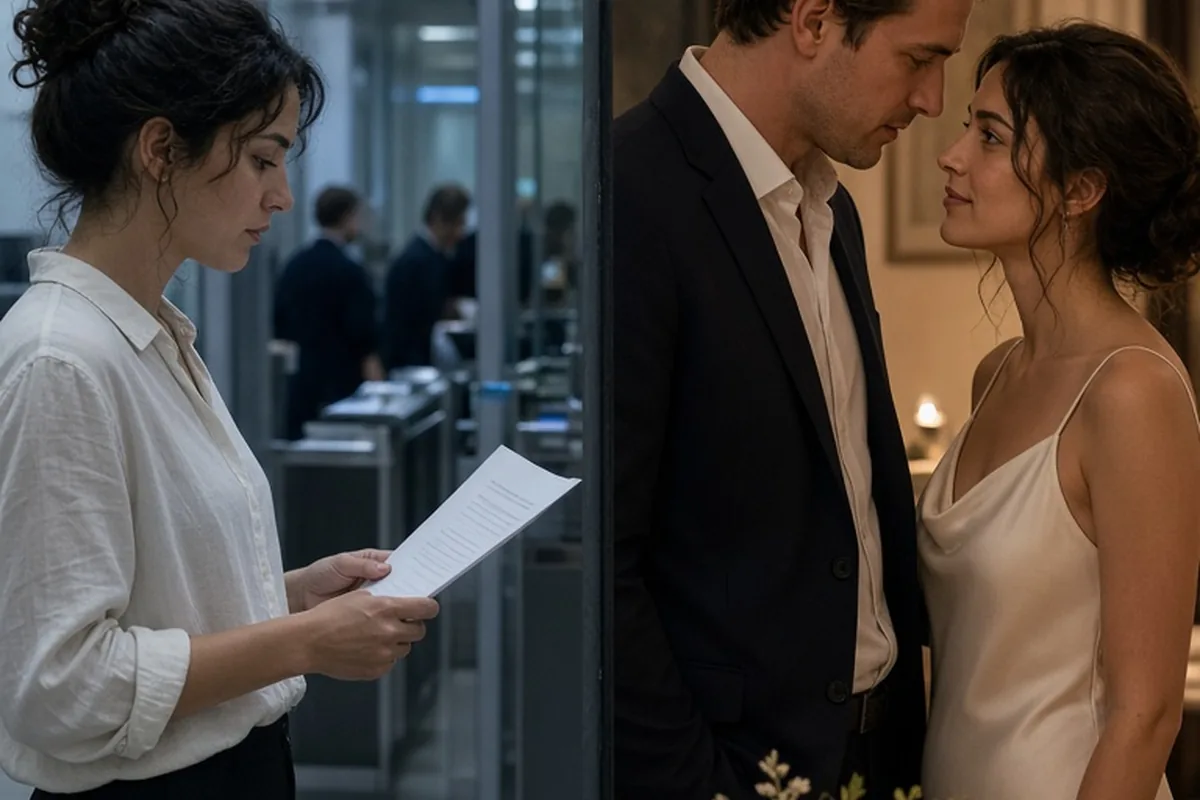
A courthouse wedding contract checklist organizes the legal agreements, municipal permits, and vendor terms required for a civil ceremony and celebration. It ensures that every service provider—such as photographers, florists, and private dining venues—accommodates strict municipal schedules, limited guest capacities, government photography restrictions, and fast-paced ceremony timelines without unexpected surcharges or scheduling conflicts.
Couples choosing a courthouse wedding often expect a simpler planning experience, yet coordinating independent vendors around municipal rules requires precise legal and contractual preparation. Because city halls and county clerk offices operate under rigid operating hours, strict security protocols, and tight ceremony windows, traditional wedding contracts rarely fit civil ceremony timelines without modification.
Distinguishing Municipal Regulations from Private Vendor Agreements
A civil ceremony involves two distinct categories of paperwork: government administrative requirements and private vendor service agreements. Municipalities do not issue service contracts in the commercial sense; instead, they operate under local statutes, administrative guidelines, and facility permits. Before executing contracts with independent professionals, couples must secure their marriage license, confirm ceremony appointment slots, and review the specific courthouse rules governing outside vendors, allowable witness numbers, and security check-in procedures.
Private vendor agreements must be built around these government constraints rather than standard wedding traditions. For instance, if a county courthouse restricts ceremonies to fifteen-minute blocks or forbids flash photography in judicial chambers, hiring a photographer under a standard full-day wedding contract creates operational friction. Every vendor agreement should explicitly reference the municipal venue's specific operating hours, physical access limitations, and security clearance requirements so that expectations remain aligned across all parties.
Courthouse Wedding Photography and Videography Contract Clauses
Visual documentation for a civil ceremony requires specialized contract terms due to unpredictable court dockets and strict public building rules. Standard wedding photography agreements often mandate four- to eight-hour minimum coverage periods, whereas a courthouse wedding typically demands concentrated coverage spanning one to three hours, encompassing arrival, security, the ceremony, and portraits on public grounds. Couples should negotiate a flexible hourly package or an elopement-specific service scope that reflects this concentrated timeframe.
Your photography agreement must clearly specify who holds responsibility for securing commercial photography permits if the municipal building or surrounding public plaza requires one. Additionally, the contract should address municipal lighting restrictions. Many historic courtrooms and modern judicial chambers prohibit external flash units, heavy tripods, or auxiliary lighting rigs. Including a clause acknowledging that the visual artist will work exclusively with ambient lighting or handheld gear prevents day-of disputes with bailiffs or security personnel.
Turnaround times and image delivery milestones also warrant clear definition. Because courthouse weddings often serve as the prelude to later celebrations or intimate dinner announcements, couples frequently need preview images rapidly. Ensure the contract outlines an agreed timeline for sneak-peek files alongside the final high-resolution gallery delivery schedule, print release rights, and cloud storage duration terms.
Private Dining and Reception Venue Contract Terms
Following a courthouse ceremony, celebrations usually transition to a restaurant buyout, private dining room, or boutique hospitality venue. These venue agreements involve distinct financial and operational terms that differ significantly from dedicated banquet hall contracts. Food and beverage minimums, space rental fees, and table turn schedules form the foundation of these agreements and require careful scrutiny before signature.
Examine the contract for exact arrival and departure windows. Restaurants operating multiple seatings will strictly enforce departure deadlines, which can become problematic if courthouse docket delays push back your arrival time. Seek contractual language that provides a grace period or clearly establishes how delayed arrivals affect meal progression and beverage service. Furthermore, verify whether your food and beverage minimum includes administrative fees, gratuity, and state sales taxes, or if those charges are calculated on top of the base minimum.
Outside dessert and beverage policies represent another critical contractual area. If bringing a custom cake or vintage champagne, verify corkage and plating fees within the written agreement. The contract should also clarify decor allowances, such as prohibitions on open flames, glitter, wall-mounted installations, or outside amplified sound systems in non-exclusive dining rooms.
Personal Floral, Attire, and Beauty Service Agreements
Beauty professionals and personal florists supporting a courthouse ceremony must accommodate early morning appointments and precise logistical handoffs. Because civil ceremonies frequently take place during weekday morning hours, hair and makeup contracts should clearly state the call time, location (whether at a private residence, hotel suite, or salon), and any applicable early-morning or off-peak travel surcharges.
The contract must detail the exact scope of services, including whether touch-up kits, veil placement, or on-site touch-ups before courthouse security screening are included. If multiple family members or witnesses require styling, the agreement should establish a firm schedule and specify whether an assistant artist will be provided to avoid running late for the court appointment.
For floral agreements, delivery logistics must be defined down to the minute and exact address. Civil ceremonies rarely have dressing rooms or staging areas where bouquets and boutonnieres can be stored. The floral agreement should establish whether items are delivered directly to your home, a preparation hotel, or handed off outside the courthouse entrance. It should also specify moisture-packing methods to keep blooms fresh during outdoor transit and security lines.
Cancellation, Rescheduling, and Municipal Delay Protections
Government buildings are subject to unexpected operational shifts, emergency closures, judicial reassignments, and security lockdowns. Consequently, vendor contracts must contain robust cancellation, rescheduling, and delay clauses tailored to public property realities rather than private venue assumptions.
Review how each vendor defines schedule modifications. If a court clerk reschedules your ceremony from morning to afternoon due to courtroom availability, your contracts should outline whether vendors can shift their hours without imposing penalty fees. Look for transferable deposit clauses that allow retainers to apply toward an alternate date within a reasonable period if the courthouse cancels civil ceremonies due to severe weather or emergency closures.
Examine the force majeure language across every agreement. Standard boilerplate clauses often mention natural disasters and labor strikes, but courthouse weddings require language covering government orders, municipal facility closures, and mandatory evacuation protocols. Ensure that non-refundable retainer policies are clearly explained alongside terms for reimbursing unperformed services should a municipal cancellation occur.
Liability Insurance and Municipal Permit Requirements
City halls, historic municipal chambers, and county clerk facilities frequently require independent vendors to carry Certificate of Insurance (COI) policies naming the municipality as an additional insured party. If a vendor cannot produce this documentation, courthouse security or building managers may deny them entry on the day of the ceremony.
Your vendor checklist must verify that your photographer, videographer, or day-of coordinator carries adequate commercial general liability coverage. Confirm the required policy limits directly with the county clerk or municipal facility manager, and incorporate a contract clause requiring the vendor to submit their COI to the city clerk at least fourteen to thirty days prior to the event.
Indemnification and damage clauses also require attention. Public buildings often hold the permit applicant or wedding couple financially responsible for damage caused to historic banisters, marble flooring, or courtroom furnishings. Ensure vendor contracts include mutual indemnification terms, stating that independent contractors remain liable for property damage or bodily injury resulting directly from their own equipment, staff actions, or negligence.
Overtime Rates, Travel Fees, and Payment Schedules
Courthouse ceremonies rarely follow linear schedules; security line wait times, crowded dockets, and extended document processing can quickly consume vendor time. Contractual clarity around overtime billing intervals and rates protects both the couple and the vendor from unexpected financial surprises.
Ensure your contracts define how overtime is billed—whether in fifteen-minute increments, half-hour blocks, or full hours—and whether prior verbal authorization from the couple is required before overtime charges accrue. A vendor should not automatically bill overtime simply because courthouse security took thirty minutes longer than expected unless that extra time extends past their total booked service window.
Finally, scrutinize travel surcharges, downtown parking reimbursements, and milestone payment schedules. Urban courthouses often have limited or expensive parking, and contracts should explicitly state whether parking fees and tolls are billed at cost, included in the flat package rate, or capped at a set amount. Structure payment milestones so that final balances are due closer to the ceremony date after municipal logistics are fully locked in.
Frequently asked questions
Do I need a formal contract with the courthouse itself for a civil ceremony?
No, municipal courthouses do not issue standard private vendor contracts. Instead, you pay statutory marriage license and administrative ceremony fees, and agree to local facility rules and appointment conditions set by the county clerk or municipal court.
Why do photographers need a specific contract for a courthouse wedding?
Courthouse ceremonies have unique operational constraints, such as security screenings, ambient light limits, and tight fifteen- to thirty-minute ceremony schedules. A dedicated elopement or short-duration contract defines realistic coverage windows, public permit responsibilities, and appropriate equipment restrictions.
What happens if our courthouse ceremony runs behind schedule and impacts our restaurant reservation?
Your private dining contract should outline arrival grace periods, minimum spend adjustments, and course pacing modifications. Review these terms in advance so you understand how late arrivals affect your total dining time and kitchen closing schedules.
Does my courthouse require private wedding vendors to provide proof of insurance?
Many historic city halls and municipal facilities require professional vendors, particularly photographers using heavy equipment, to submit a Certificate of Insurance (COI) naming the municipality as an additional insured before granting commercial access.
Your next step
Contact your local county clerk or city hall today to obtain their official vendor guidelines and permit rules before signing independent service agreements.