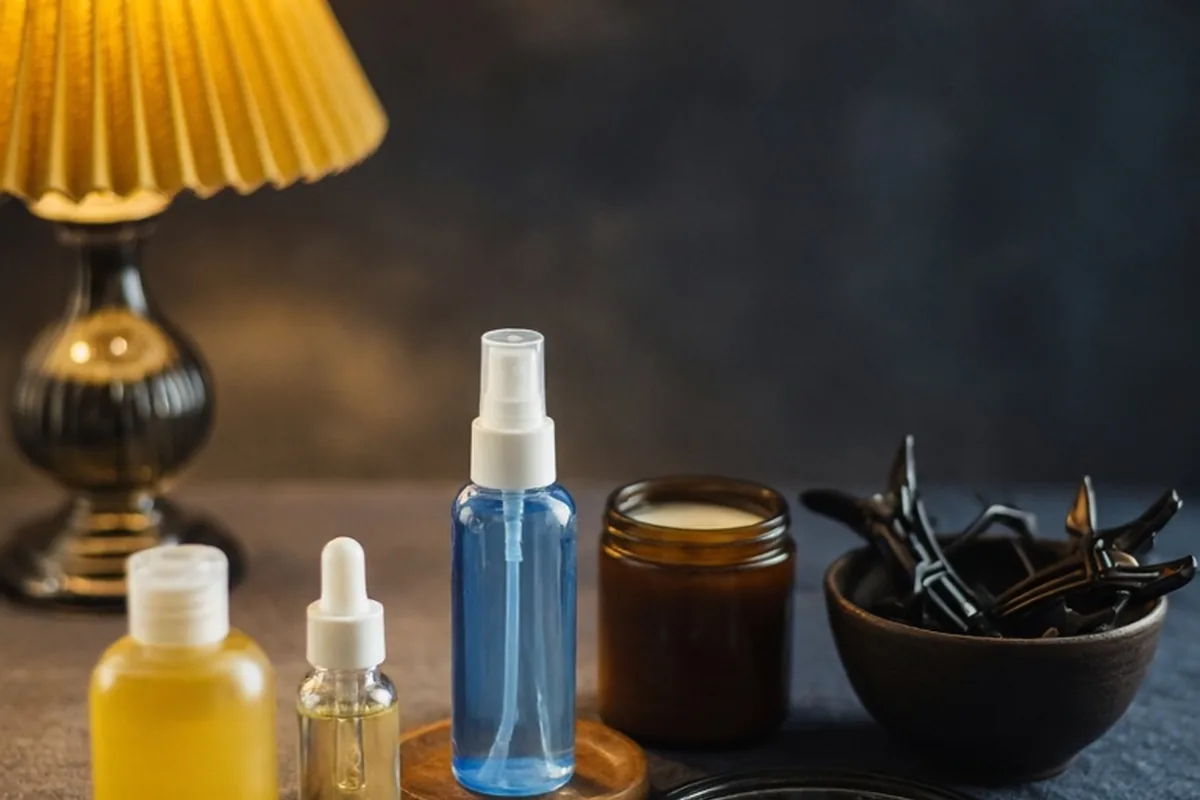
Low porosity curly hair features tightly bound cuticles that resist moisture absorption and easily trap heavy products on the hair shaft. Effective care centers on applying gentle indirect heat during conditioning to open cuticles, choosing lightweight humectants such as aloe vera and glycerin over heavy butters, and clarifying regularly to prevent surface accumulation. Hydrating thoroughly with warm water before applying styling products ensures curls stay defined, bouncy, and soft without becoming greasy or weighed down.
Caring for textured hair requires understanding how individual strands interact with moisture, cleansing agents, and environmental humidity. When curly hair has low porosity, standard curl routines that rely on thick butters, continuous co-washing, and heavy sealing oils often lead to limp, coated strands rather than healthy definition.
Recognizing How Low Porosity Cuticles Shape Curly Hair
Porosity describes your hair strand's structural ability to absorb and hold water. The outer layer of every hair strand is the cuticle, composed of overlapping cellular scales that function much like shingles on a roof. In low porosity curly hair, these scales lie exceptionally flat, tight, and compact. Because the cuticle layer forms an almost impermeable outer shield, water droplets tend to bead up on the hair surface rather than sinking in immediately. When you step into the shower, you may notice that it takes several minutes of direct, warm water pressure before your hair becomes fully saturated from root to tip.
While tightly sealed cuticles protect the inner cortex from environmental pollutants and mechanical damage, they present a unique challenge for curl definition and elasticity. Curly hair naturally bends, twists, and coils, creating natural points of tension along the shaft where moisture is essential to maintain flexibility. When low porosity curls lack internal hydration, they become rigid, prone to snap under tension, and dull in appearance. Applying standard moisturizing formulas without adjusting your technique often makes the problem worse, as heavy ingredients simply rest on the outside of the hair shaft, gathering dust, lint, and excess sebum.
Cleansing Strategies to Dissolve Lingering Surface Buildup
Because low porosity hair resists internal absorption, styling gels, creams, and natural scalp oils accumulate rapidly on the exterior of the hair fiber. This accumulation forms a physical barrier that prevents future moisture from entering, creating a frustrating cycle where hair feels dry despite having layers of product on it. Relying exclusively on gentle, non-lathering conditioning washes—commonly known as co-washing—tends to coat low porosity curls even further, causing the curl pattern to stretch out, feel greasy, or develop an uncomfortable scalp film.
A successful wash day for low porosity curls starts with a clarifying shampoo used on a predictable schedule, such as every two to three weeks depending on product use. Clarifying cleansers contain surfactants that dissolve stubborn film-forming ingredients, polyquats, and residual lipids. On alternate wash days, a sulfate-free, chelating or balancing shampoo provides adequate cleansing without stripping the natural lipid barrier. When washing, focus lather directly on the scalp using the pads of your fingers, allowing the suds to run down the lengths during rinsing rather than aggressively scrubbing the curl ends, which preserves strand alignment.
Conditioning Low Porosity Curls With Heat-Assisted Hydration
Standard rinse-out conditioners and deep treatments work primarily by coating the cuticle and temporarily sealing rough edges, but low porosity strands require assistance to allow active conditioning ingredients past the outer layer. Applying a deep conditioner at room temperature often yields disappointing results because the tight cuticle scales remain shut. Introducing mild, controlled thermal energy temporarily softens and lifts the cuticle shingles slightly, providing a physical pathway for water molecules and conditioning agents to enter the cortex.
You can introduce heat during conditioning through practical household methods. After smoothing a water-based deep conditioner evenly through detangled hair, cover your head with a plastic shower cap. Placing a warm, damp towel over the cap or wearing a microwavable gel conditioning cap for fifteen to twenty minutes creates a warm, humid environment that dramatically improves hydration uptake. Once the conditioning time is finished, rinse the hair thoroughly with lukewarm water. While conventional advice suggests cold water rinses to seal cuticles, excessively cold water can cause low porosity hair to harden product residue on the strand exterior, leading to a stiff, chalky texture.
Selecting Lightweight Hydrators Over Heavy Occlusive Butters
Ingredient composition determines whether a product nourishes low porosity hair or weighs it down. Traditional textured hair advice frequently recommends raw shea butter, pure cocoa butter, castor oil, and thick coconut oil as primary moisturizers. On low porosity hair, however, these long-chain fatty acids and dense lipids are too large to penetrate the cuticle barrier. They solidify easily at room temperature, suffocating the strand, dulling natural shine, and turning what should be springy curls into stringy, weighed-down clusters.
Instead, seek out formulations driven by small-molecule humectants and lightweight plant extracts that attract ambient water into the fiber. Look for ingredients such as aloe vera leaf juice, vegetable glycerin, panthenol (provitamin B5), agave nectar, marshmallow root extract, and hydrolyzed silk or flaxseed extract. When choosing oils to seal in moisture or add surface shine, select lightweight oils rich in polyunsaturated or monounsaturated fatty acids that spread thinly, such as jojoba oil, argan oil, grapeseed oil, or sweet almond oil. These lighter alternatives impart softness and lubricity without creating a dense, suffocating layer.
Layering Styling Products on Soaking Wet Hair
The timing and moisture level of your hair during product application fundamentally alters your styling results. Applying leave-in conditioners or curl creams to damp or towel-dried low porosity hair inevitably causes flaking and uneven distribution because the water content is insufficient to carry the product through the tight cuticles. Applying products while your hair is soaking wet—often right under the stream of warm shower water or immediately after turning off the tap—maximizes the vehicle through which conditioning agents spread.
Techniques such as squish to condish or glazing and pulsing are exceptionally effective for this hair type. By taking cupped hands filled with warm water and pressing upward into the hair lengths, you physically push moisture and leave-in conditioner into the strand structure through hydrostatic pressure. You will hear a distinct squishing sound, signaling that water and product have formed an emulsion. Limit your routine to two functional stylers: a lightweight leave-in moisturizing milk followed by a firm-hold, film-forming styling gel. This combination defines the curl clumps and forms a protective cast without accumulating unneeded weight.
Drying Strategies to Avoid Prolonged Moisture and Hygral Fatigue
Low porosity hair is notoriously slow to dry because once water finally penetrates the tight cuticle layer, the closed shingles trap moisture inside just as effectively as they initially kept it out. Air-drying low porosity curls can take eight to twelve hours, or even longer in humid climates. Allowing the hair shaft to remain swollen with water for such prolonged periods causes repeated stress on the inner cortex, a condition known as hygral fatigue. Furthermore, extended dampness near the roots encourages scalp irritation, flaking, and fungal imbalances.
To speed drying while protecting curl definition, begin by gently squeezing out excess moisture using a smooth microfiber towel or a clean cotton T-shirt, avoiding rough terrycloth towels that snag curls and cause friction frizz. Follow this with a blow dryer fitted with a wide diffuser attachment. Use a medium heat setting and low to medium airflow. Hover the diffuser around your roots and mid-lengths first to set the gel cast before gently cupping sections toward the scalp. Once the hair is completely dry, you can soften any crispness left by the gel cast by gently scrunching your curls with bare, clean hands or two drops of lightweight squalane oil.
Preserving Curl Definition and Scalp Balance Between Washes
Refreshing low porosity curls on non-wash days requires a restrained approach. The common instinct to spray curls with water and apply more curl cream every morning leads directly to buildup, greasiness, and loss of volume by midweek. Because low porosity hair already has product sitting on or near the cuticle, layering more daily styling product creates heavy residue without providing genuine hydration.
Instead of adding fresh product, rely on warm water vapor to reactivate the styling ingredients already present in your hair. Letting shower steam circulate through your curls while wearing a loose shower cap, or misting hair lightly with warm distilled water from a continuous-spray bottle, softens the styling cast and allows you to smooth frizzy sections into place. At night, protect the hair from friction and mechanical moisture loss by securing curls in a high, loose pineapple using a silk or satin scrunchie, paired with a satin bonnet or a smooth mulberry silk pillowcase.
Frequently asked questions
Does low porosity curly hair need protein treatments?
Low porosity hair naturally has an intact, tightly sealed protein structure, meaning it needs far less supplemental protein than color-treated or high-porosity hair. Too much protein can cause low porosity strands to feel stiff, brittle, and straw-like. If you use protein, choose products with lightweight hydrolyzed proteins and balance them with deeply moisturizing treatments.
Why does my low porosity hair take so long to get fully wet?
The cuticle scales on low porosity strands lie flat and tightly overlap, functioning like a water-resistant barrier. Surface tension causes ambient water droplets to sit on top of the strand rather than absorbing immediately. Using warm water helps soften this outer boundary and allows water molecules to penetrate the hair shaft faster.
Can I use the LOC method on low porosity curls?
The traditional LOC method (Liquid, Oil, Cream) is often too heavy for low porosity curls because thick oils and creams sit on the cuticle and block hydration. A modified version such as LGO (Liquid, Gel, and lightweight Oil) or simply using a water-based leave-in followed by a defining gel yields much better curl clumping without buildup.
How often should I clarify low porosity curls?
Most people with low porosity curls benefit from clarifying every two to three weeks to remove film-forming stylers and sebum. If you work out frequently, use heavy styling products, or live in a hard water area, clarifying every 10 to 14 days may be necessary to maintain scalp clarity and product absorption.
Your next step
Inspect your current hair products today, set aside any formulas listing heavy butters or raw coconut oil in their top five ingredients, and replace them with a water-based humectant applied under warm shower steam.