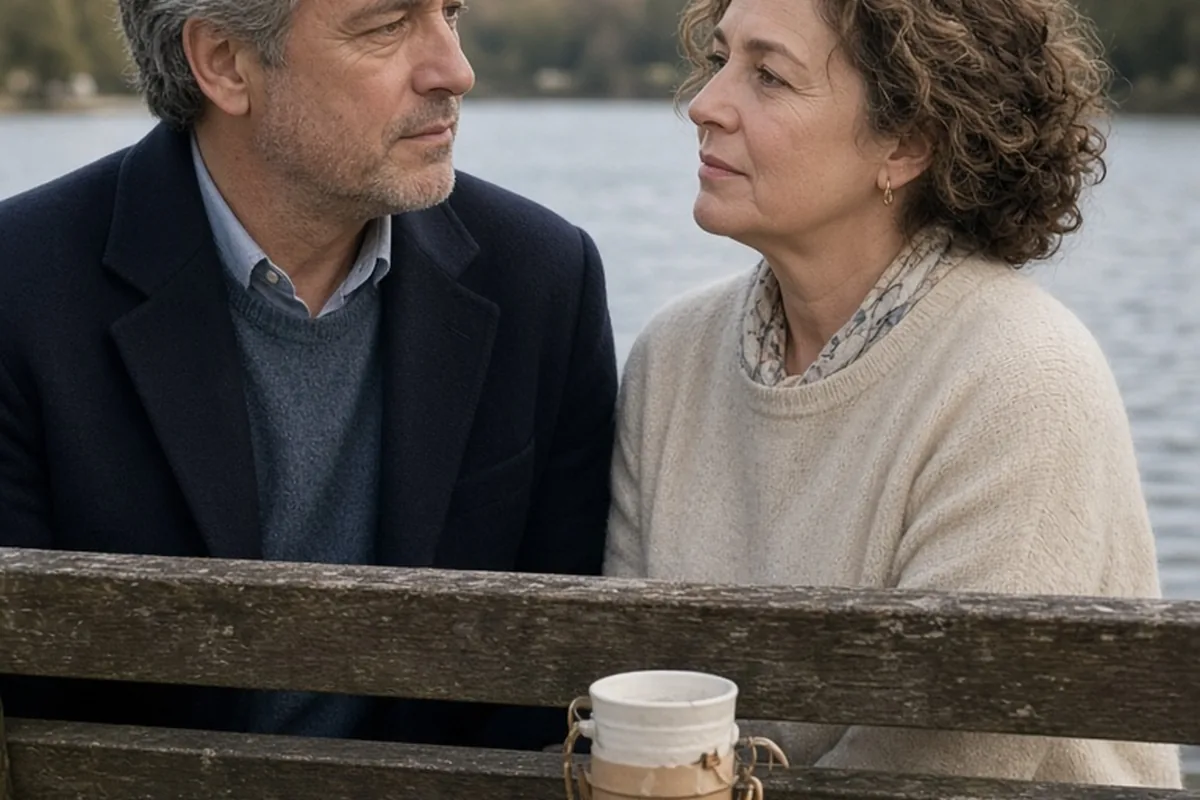
Dating after widowhood requires balancing genuine emotional readiness with clear communication rather than waiting for grief to disappear completely. You are ready to start when you can view a new person as an individual rather than a replacement for your late spouse, tolerate the natural wave of guilt that often accompanies early dates, and discuss your history honestly without making the memory of your past relationship the centerpiece of every interaction.
Returning to the dating world after losing a spouse or long-term partner is not a betrayal of the life you built; it is a choice to explore a new chapter of human connection. The transition rarely follows a straight line, and understanding how to navigate personal emotions, family dynamics, and dating logistics can help you move forward with confidence.
Recognizing Emotional Readiness Beyond the Calendar
A widespread misconception suggests that widowers and widows must adhere to an arbitrary timeline, such as waiting exactly one full year, before considering a date. In practice, grief does not follow an automated schedule, nor does it abruptly vanish when a specific date passes on the calendar. True readiness is not measured by the complete absence of sadness, but by your capacity to create emotional room for another person. If you seek a date merely to numb intense loneliness, escape an empty home, or run from the reality of your loss, you will likely find the experience jarring and disorienting.
Healthy readiness manifests through subtle shifts in your daily mental focus. You might notice genuine curiosity about other people's lives and opinions returning, or you may find yourself laughing without an immediate following wave of despair. A practical test of readiness is evaluating how you react to the idea of a new partner having their own quirks, flaws, and differing viewpoints. If you find yourself needing a potential companion to mirror your late spouse's exact preferences, habits, or routines, your grief may still require private attention before you can treat a new partner with the fairness they deserve.
Navigating the Instinctive Surge of Phantom Guilt
Even when you understand logically that your marriage ended through tragedy rather than abandonment, stepping into romantic territory can trigger profound guilt. Widowed individuals often describe an instinctive sensation akin to infidelity the first time they sit across from a date, share an intimate glance, or hold hands. This reaction occurs because your brain spent years or decades reinforcing neural pathways of loyalty, shared responsibility, and emotional devotion to one person. Those pathways do not simply shut off because you are technically single.
The most effective approach is to anticipate this emotional response rather than treating it as a sign you have made a catastrophic mistake. When a wave of guilt surfaces during an enjoyable evening, pause and ground yourself in the physical present. Feel the chair supporting you, take a slow breath, and acknowledge the emotion without panic. Experiencing warmth, attraction, or laughter with someone new does not negate, diminish, or erase the love you carried for your deceased partner. By recognizing guilt as a natural side effect of deep past devotion, you can let it pass through you without allowing it to derail your evening.
Disclosing Your Widowhood Without Overwhelming Early Conversations
Deciding when and how to discuss your past requires a deliberate balance between authenticity and boundary management. You do not owe a stranger on a first date a comprehensive medical history, an account of end-of-life care, or a breakdown of your deepest grief. At the same time, attempting to conceal the fact that you were widowed creates an undercurrent of secrecy that obstructs genuine connection. On an online dating profile, a simple, dignified mention—such as noting that you are widowed and excited to meet someone for a new chapter—sets expectations clearly without dramatizing your situation.
When meeting in person, aim for clarity without emotional dumping. A healthy disclosure establishes the fact of your loss and your present outlook in a couple of sentences. For example, stating that you lost your spouse a few years ago, took time to heal, and now feel ready to build a meaningful companionship communicates self-awareness and emotional strength. The boundary to monitor is turning the date into an impromptu bereavement counseling session. If you spend forty-five minutes detailing funeral arrangements or hospital stays, the other person is thrust into the role of a caretaker rather than an equal romantic prospect.
Resisting the Subconscious Comparison Trap
A common hazard when dating after a long, loving marriage is the tendency to run continuous comparisons. You might contrast a first date's nervousness with the effortless comfort you had after thirty years with your spouse, or evaluate their taste in food against family traditions that took decades to form. This comparison is inherently uneven. You are comparing an established, deeply refined relationship that weathered life's storms with a brand-new acquaintance whose character and history you have barely begun to uncover.
To build a viable connection, you must consciously evaluate a new person on their own independent merits. Notice what they bring to your life that is distinct: perhaps they have a passion for outdoor activities that your late spouse never shared, or an analytical communication style that introduces you to fresh perspectives. When you catch yourself thinking that your late spouse would have handled a situation differently, gently remind yourself that your goal is not to audition an understudy for an existing role. You are opening a completely new book, which demands its own rhythm, character development, and narrative.
Managing Reactions From Adult Children and Extended Family
Stepping back into the dating world frequently elicits complex, unexpected reactions from your immediate social circle, particularly adult children and former in-laws. Even supportive children may experience a resurgence of grief when they see their surviving parent dressed up for a date or introducing a new companion. For them, your new relationship can feel like a tangible, final closing of the family unit they knew, occasionally sparking fears that their deceased parent will be forgotten or replaced in family lore.
Handling these reactions requires steady leadership and firm personal boundaries. You can validate your family's feelings with empathy while holding firm on your right to pursue adult companionship. Reassure your children that your love for their other parent remains permanent and that family heirlooms, stories, and traditions are secure. However, resist the temptation to ask for their permission to live your life. Clearly stating that you are seeking companionship while keeping early dates private until a relationship proves durable protects both your budding connection and your family peace.
Pacing Physical Intimacy and Managing Sensory Triggers
Returning to physical intimacy after a prolonged absence or following a difficult period of caregiving involves intense vulnerability. For many adults, physical touch brings up sensory memories and unexpected emotional reactions. Being intimate with an unfamiliar body can provoke self-consciousness, performance anxiety, or a sudden, unexpected feeling of grief right in the middle of a romantic encounter. These reactions do not indicate brokenness; they simply reflect how closely physical intimacy is tied to memory and attachment.
Direct, adult communication is the most effective tool for navigating these moments smoothly. You do not have to adhere to an imagined timeline or rush into physical milestones to prove your romantic interest. Pace physical intimacy according to your comfort level, and communicate your boundaries proactively. If an emotional wave arises during intimacy, you can pause, maintain physical closeness, and offer brief reassurance: letting your partner know you are simply processing a momentary emotion prevents them from assuming you are rejecting them or that they did something wrong.
Modifying Living Spaces and Protecting Practical Boundaries
As a new relationship becomes more consistent, the physical environment of your home becomes a central consideration. A home that remains an unaltered memorial to a late spouse sends an unmistakable signal to a visitor that there is no space for anyone new. While you should never feel pressured to obliterate evidence of your past, keeping every photo album on display, preserving clothing in closets indefinitely, or treating rooms as untouchable historical archives makes building a shared present exceptionally difficult.
Creating balance involves curated respect rather than total erasure. Consider keeping a small, dedicated selection of family photographs in private areas or albums while making common areas like the living room, entryway, and dining room neutral and welcoming. Furthermore, as relationships deepen toward cohabitation or marriage, establish clear practical boundaries regarding finances, property, and estate planning. Consulting legal professionals to safeguard family inheritances and clarify asset divisions prevents financial anxiety from complicating the emotional health of your new partnership.
Illustrative Scenarios
Navigating Physical Pacing and Past Loyalty
Marcus, a fifty-six-year-old widower, began seeing Elena after two years alone. During their fourth dinner date, Elena reached across the table to hold his hand. Marcus experienced a sharp rush of panic and guilt, feeling as though he were committing an act of infidelity against his late wife. His first instinct was to pull his hand away, make an excuse about feeling unwell, and end the evening prematurely. Instead, Marcus took a measured breath, kept his hand rested gently in hers, and acknowledged his internal tension without running away. Later that evening, he sent Elena a brief message thanking her for dinner and explaining that while dating after loss occasionally brought up quiet reflections, he genuinely valued her company and looked forward to seeing her the following weekend.
Key point: Recognizing sudden guilt as an automatic neurological habit rather than a moral failure allows you to stay emotionally grounded and protect promising connections.
Reframing Early Date Conversations Away From Memory
Diane, fifty-two, lost her husband three years prior and decided to try casual dating. On her second date with Greg, a thoughtful professional, Diane found herself answering every conversational prompt by recounting stories about her late husband—where they had vacationed, what meals he cooked, and how he maintained the garden. Diane noticed Greg growing quiet and gradually checking out of the conversation. Realizing she was using her past as a protective shield against the vulnerability of the present, Diane stopped herself. She noted directly that she realized she had spent much of the hour discussing her history, apologized for dominating the topic, and deliberately asked Greg about his recent hiking trip in Utah.
Key point: Mutual attraction requires curiosity about the person in front of you; keeping past stories proportional prevents a date from feeling invisible.
Frequently asked questions
How long should someone wait before dating after the loss of a spouse?
There is no universal waiting period or mandatory timeline for dating after widowhood. Readiness depends entirely on your ability to evaluate a new companion as an individual rather than as an escape from your grief. If you can handle mixed emotions without panicking and feel genuine curiosity about another person, you are in a reasonable position to begin.
What should I do with my wedding ring when I start dating?
Transitioning your wedding ring is a deeply personal choice that should reflect your internal readiness rather than outside expectations. Some people choose to move the band to their right hand, wear it on a chain, or place it in a dedicated keepsake box. When actively seeking a romantic partner, removing the ring from your left ring finger signals clear emotional availability to prospective dates.
How should I handle estate planning if a new relationship becomes serious?
Early, transparent legal planning is the most effective way to eliminate friction when a partnership matures. Consult an estate planning attorney to review wills, update beneficiary designations, and consider prenuptial agreements if marriage or cohabitation is on the table. Being upfront about legacy protections ensures your children remain secure while allowing your new relationship to develop without financial distrust.
How do I respond if a date asks invasive questions about how my spouse died?
You maintain full authority over how much personal history you share with anyone you date. A calm, polite boundary such as explaining that you prefer to focus on getting to know each other before revisiting painful medical details is entirely appropriate. A respectful, secure partner will understand that boundary immediately without pressing for more information.
Your next step
Before opening a dating application or accepting a social invitation, write down three specific personal qualities you look forward to sharing in the present alongside two clear emotional boundaries you intend to keep for yourself.