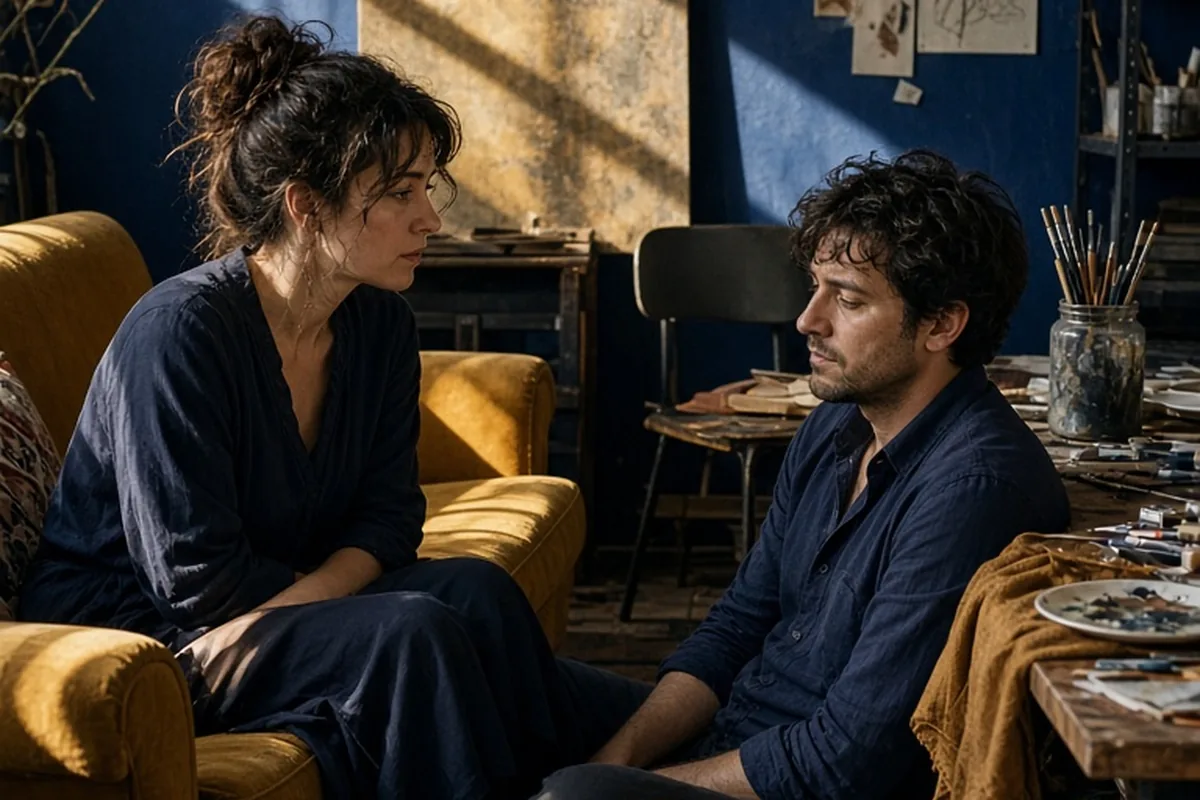
Dating an artist offers emotional depth, passion, and original perspectives, but it also requires navigating unconventional schedules, intense focus periods, and vulnerability around creative work. Success comes from respecting their need for dedicated solitude, setting clear communication rhythms, offering grounded encouragement without taking on the role of harsh critic or manager, and maintaining your own independent passions and boundaries.
Stepping into a relationship with a practicing painter, musician, writer, or performer introduces you to someone who engages deeply with the world around them. While creative energy can make dating vivid and emotionally rich, the day-to-day reality often involves unpredictable work habits, fluctuating emotional states, and periods of absorption that can challenge standard relationship routines.
Understanding Creative Flow and Intensive Focus Cycles
Creative work rarely follows a standard nine-to-five rhythm. When an artist enters an active flow state, their perception of time shifts, and their attention narrows to the project in front of them. This deep immersion is not a lack of interest in you or an intentional withdrawal; it is the cognitive state required to bring complex, self-directed work into existence. If you expect immediate text replies or rigid dinner times during these windows, you may misinterpret their concentration as emotional distance.
To navigate these cycles successfully, establish predictable check-in routines outside of studio hours. Talk openly about how both of you like to transition between focused work and shared leisure. For example, your partner might agree to send a quick text when they begin a painting session and another when they wrap up, letting you know when they are truly mentally available. The trade-off is accepting that plans may occasionally need a buffer for project deadlines, provided this flexibility remains mutual rather than one-sided.
Navigating Financial Realities and Variable Schedules
Many working artists navigate a mix of freelance commissions, seasonal sales, grant applications, or side jobs. This can create unpredictable cash flow and irregular weekly routines that differ markedly from salaried employment. Tension often arises when a partner who prefers structured budgets and predictable weekends expects an artist to match their financial pace or calendar availability without open discussion.
A healthy approach centers on financial transparency and pragmatic dating choices rather than unspoken assumptions. Focus on low-cost, quality shared activities when finances are tight, and clearly divide shared expenses based on current realities rather than rigid splits. For instance, if one person is preparing for an unpaid gallery residency, plan affordable home-cooked dinners and outdoor activities instead of expensive travel. The limit here is personal stability: supporting someone's artistic ambition should never require sacrificing your own financial safety or absorbing chronic irresponsibility.
Respecting Studio Space and the Need for Solitude
For most creative professionals, their physical workspace and quiet time are fundamental to their well-being. Whether an artist works in a rented studio across town or at a dedicated desk in a shared apartment, treating that space with clear boundaries is essential. Dropping in unannounced, rearranging their materials, or treating their workspace as general communal area can disrupt their creative process and create preventable friction.
Discuss explicit ground rules for visiting and interacting in their workspace. Ask whether they prefer complete solitude while working or if they are comfortable with quiet companionship, like reading a book in the same room. For example, you might agree that a closed studio door means do not disturb unless there is an emergency, while an open door invites a brief conversation. Respecting physical and temporal boundaries reinforces mutual trust and lets your partner recharge creatively without guilt.
Giving Constructive Support Without Becoming an Art Critic
Because creative work is deeply personal, sharing unreleased projects can evoke significant vulnerability. When an artist asks for your thoughts on a draft, track, or visual piece, they are often seeking an authentic emotional reaction or an encouraging presence rather than an exhaustive technical analysis. Jumping directly into unsolicited criticism or trying to fix flaws can leave them feeling defensive and emotionally exposed.
Clarify what type of feedback they want before offering your opinion. You can ask a simple question: 'Are you looking for encouragement, honest high-level impressions, or specific critique today?' If they want an honest impression, describe your genuine sensory or emotional response rather than attempting to speak as an industry expert. For instance, saying 'This color palette feels energetic and bold' provides genuine connection without imposing an analytical judgment that might undermine their creative momentum.
Managing Vulnerability and Sensitivity Around Rejection
Artists frequently encounter rejection through declined proposals, harsh reviews, or quiet sales periods. Because so much personal identity is often tied to their craft, professional setbacks can temporarily affect their mood, confidence, and energy levels. A supportive partner provides steady emotional grounding rather than minimizing the loss with hollow platitudes or taking on the burden of cheering them up single-handedly.
Practice active listening when they experience career disappointment. Acknowledge the frustration of the setback without rushing to offer generic solutions or dismissing their feelings. For example, saying 'I know how much effort you poured into that application, and it makes sense that you are disappointed' validates their experience without dramatizing it. The boundary to maintain is ensuring that creative frustration does not turn into prolonged withdrawal, irritability, or taking out professional stress on the relationship.
Maintaining Your Own Identity and Independent World
The magnetic quality of creative energy can sometimes lead a non-artist partner to center their entire social and emotional life around the artist's scene, shows, and circles. While attending gallery openings, readings, or performances is an excellent way to show solidarity, subordinating your own interests to become a perpetual audience member or administrative helper can erode personal fulfillment and relationship balance.
Protect your own hobbies, social connections, and professional ambitions with equal priority. If you love fitness, technology, hiking, or community organizing, continue dedicating time and enthusiasm to those pursuits. A relationship flourishes when both partners bring distinct experiences and separate stories back to the dinner table. Having an independent world also prevents you from feeling neglected when your partner needs several uninterrupted days to finish a major project.
Illustrative Scenarios
Handling Studio Disconnection During an Exhibition Push
Marcus was dating Elena, an oil painter preparing for her first solo gallery show. Over three weeks, Elena became increasingly quiet, frequently delayed replying to texts, and canceled a weekend dinner to rework several canvases. Marcus initially felt anxious and assumed Elena was losing interest in their relationship. Instead of sending an irritated text or demanding an immediate explanation, Marcus asked for a brief fifteen-minute phone call. He acknowledged her intense workload, expressed admiration for her effort, and proposed pausing their typical date schedule until the opening night while keeping a brief five-minute bedtime check-in call.
Key point: Recognizing a partner's intense deadline helps you replace personal insecurity with clear, temporary communication agreements that protect the relationship.
Clarifying Roles During a Vulnerable Creative Review
Tanya was dating David, an aspiring songwriter finishing an extended musical project. David played an acoustic demo for Tanya and asked what she thought. Wanting to be helpful, Tanya immediately pointed out three spots where the vocal pitch sounded uncertain and suggested rewriting the bridge. David grew quiet and visibly withdrawn for the rest of the evening. Later, Tanya recognized that David had needed emotional reassurance before technical critique. She initiated a calm conversation, apologized for jumping into editing mode, and asked David how he preferred to share unfinished work moving forward.
Key point: Asking what type of response a creative partner wants before giving feedback avoids unintended defensiveness and preserves emotional safety.
Frequently asked questions
What should I do if my artist partner's moods depend heavily on their creative success?
Offer a consistent, steady perspective that separates their worth as a person from their recent creative output. Encourage healthy routines like regular meals, sleep, and non-art activities to help them maintain perspective during dry spells. If mood swings become pervasive or harmful to the relationship, set gentle boundaries about how emotional stress is communicated.
How can I show support without constantly spending money on their art?
Support comes in many non-financial forms, including showing genuine curiosity about their process, attending free exhibitions or performances, and giving them uninterrupted time to create. You can also assist with simple everyday logistics, like cooking a quiet meal during a crunch week, which provides meaningful relief without financial strain.
Is it normal for an artist to need significant alone time during a project?
Yes, creative synthesis often requires extended solitude and mental quiet to develop complex ideas. As long as the need for solitude is communicated respectfully in advance and balanced with present, attentive time together when work is paused, it is a healthy part of creative life.
How do I handle it if my partner includes aspects of our relationship in their art?
Have an open, candid conversation about privacy, personal comfort, and narrative boundaries early in the relationship. Clarify which personal experiences or private moments should remain strictly between the two of you and which themes are acceptable to explore publicly in their work.
Your next step
Choose one upcoming creative milestone or busy period your partner has mentioned and agree in advance on a simple communication and date rhythm that keeps you both feeling valued.