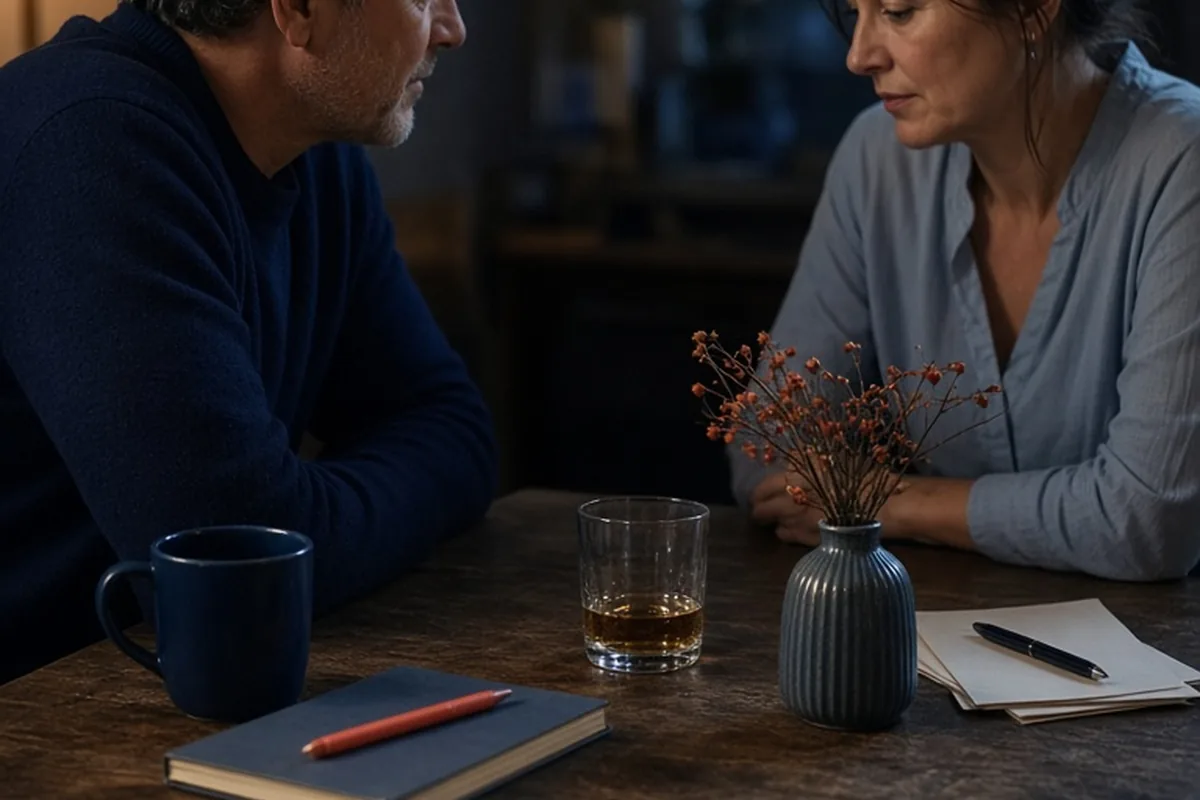
The most effective dating apps for divorcees are platforms that prioritize intentional matchmaking, detailed bios, and lifestyle filters, such as Match, Hinge, Bumble, and mature niche platforms like SilverSingles. Selecting the right app involves clarifying whether you seek companionship, casual dating, or long-term partnership, creating a profile that reflects your present identity rather than your past marriage, and maintaining steady emotional pacing.
Re-entering the dating scene after a marriage ends can feel like landing in an unfamiliar culture with its own unwritten language, rapid swiping mechanics, and unspoken expectations. While the transition can feel daunting, digital dating platforms offer divorced adults a practical way to meet potential partners who share similar life stages, parenting responsibilities, and emotional goals.
Selecting the Right Platform for Your Relationship Goals
Choosing a dating app after a divorce requires matching the platform's culture with your current emotional capacity and relationship intent. Mainstream apps cater to different dynamics: long-standing subscription platforms like Match encourage deeper biographical details and deliberate searching, making them popular for divorcees seeking serious partnership. Curated matching apps like Hinge emphasize conversation prompts that highlight personality and lifestyle values, while Bumble gives women control over initiating dialogue, which often reduces unwanted spam and fosters mutual respect.
For older divorcees or those seeking peers with comparable life experiences, age-tailored platforms such as SilverSingles or OurTime provide a concentrated pool of midlife singles who already understand the complexities of past marriages, adult children, and blended routines. Conversely, high-volume swiping apps like Tinder can work well if your current goal is simply rebuilding social confidence or exploring casual dating, though they typically demand thicker boundaries and more patience to filter out misaligned matches. Clarifying what you want before downloading an app prevents burnout and keeps your expectations realistic.
Crafting an Authentic Profile Without Dwelling on the Past
Your dating profile should showcase who you are as an autonomous individual today, not serve as an explanatory defense of your previous marriage. Select four to six clear, recent photos that show you smiling, engaging in hobbies, and dressed in clothes that make you feel confident. Avoid group shots where you must be cropped out, outdated pictures from several years ago, or photos that feature your children, which helps protect their privacy and keeps the focus firmly on romantic compatibility.
When writing your bio, state your passions, daily lifestyle, and general dating goals with upbeat clarity rather than airing grievances about past relationships. Mentioning your divorce can be as simple as selecting a relationship status tag or writing a brief, positive phrase indicating you are divorced, settled, and excited to meet someone grounded. A clear, self-assured tone signals emotional stability far more effectively than lengthy paragraphs detailing past legal battles or emotional healing journeys.
Navigating Co-Parenting and Family Boundaries Early On
Balancing child custody schedules, co-parenting obligations, and personal dating time is one of the most common friction points for divorced singles. You do not need to deliver a full breakdown of your parenting agreement in your opening message, but mentioning that you have children in your bio or during early conversations sets transparent expectations around your availability. Frame your time constraints matter-of-factly, showing that while your parenting commitments are non-negotiable, you remain capable of making dedicated time for someone you value.
Protecting your children's emotional well-being also means establishing strict internal boundaries about introductions. Meeting someone from a dating app is an adult exploration phase, not an audition for a stepparent. A healthy standard is keeping dates away from your home and delaying introductions to your kids until a relationship has demonstrated consistent stability, mutual commitment, and genuine longevity over several months.
Pacing Communication and Avoiding the Trauma-Bonding Trap
After going through a divorce, finding someone who genuinely listens can feel intoxicating, leading to rapid oversharing or marathon texting sessions before meeting in person. While empathy is crucial in any partnership, venting deeply about custody disputes, asset division, or bitter ex-partners creates an artificial sense of intimacy based on shared grievance rather than genuine mutual attraction. Keep early messaging focused on mutual interests, communication styles, humor, and lifestyle compatibility.
Transition from app messages to a low-pressure phone call, video chat, or casual first date within one to two weeks of matching. A brief forty-five-minute coffee or an afternoon walk provides enough context to gauge chemistry, body language, and respect without requiring a heavy emotional or financial investment. Keeping the first few encounters short allows both people to process their feelings without pressure.
Handling Rejection, Ghosting, and App Fatigue with Self-Respect
Modern dating apps move quickly, and encountering sudden silences, canceled plans, or lukewarm responses can trigger old wounds of rejection or inadequacy, especially after a painful divorce. It is vital to remember that an unreturned message or a mismatch on an app is rarely a reflection of your worth; rather, it indicates the other person's schedule, bandwidth, or specific preferences. Taking mismatched interactions personally drains your energy and leads to early dating fatigue.
Establish sustainable app habits to protect your peace of mind. Limit your app usage to ten or fifteen minutes once or twice a day instead of keeping notifications constantly active. If an interaction fizzles out or someone behaves inconsistently, unmatch promptly without sending accusatory paragraphs. Preserving your dignity and redirecting your energy toward people who demonstrate active, reciprocal interest keeps the process enjoyable and grounded.
Recognizing Genuine Emotional Availability in Potential Matches
As a divorced individual, one of the most valuable skills you can develop is distinguishing between someone who is genuinely ready for connection and someone who is merely avoiding loneliness. An emotionally available match communicates with consistency, respects your established boundaries, asks thoughtful questions about your life, and speaks about their past relationships with accountability rather than lingering resentment. They do not send mixed signals, disappear for days without context, or demand immediate intimacy.
Conversely, exercise caution with matches who rush the relationship by declaring intense affection within days, those who constantly complain about their ex-spouse, or individuals who are vague about their current separation status. If someone claims they are separated but still living together or actively negotiating their settlement, be honest with yourself about whether you have the emotional fortitude to navigate their transition while maintaining your own peace.
Illustrative Scenarios
Setting Clear Pacing After a Long Marriage
David, a 44-year-old accountant divorced after sixteen years of marriage, joined a dating app and immediately felt overwhelmed by rapid back-and-forth messaging. When a match shared detailed grievances about her recent split on their second day of texting, David felt obligated to reciprocate by detailing his own difficult divorce settlement. The conversations quickly turned exhausting, feeling more like therapy sessions than romantic exploration, and both felt drained before ever meeting in person. Recognizing the burnout, David adjusted his approach: he updated his profile to emphasize his outdoor interests, kept his messaging friendly and light, and suggested brief coffee dates to assess chemistry. When conversations turned toward divorce details too early, he politely noted that he preferred discussing their present lives first.
Key point: Early conversations should build mutual curiosity rather than serving as emotional debriefs of past marriages.
Establishing Co-Parenting Boundaries Without Apology
Rachel, a 39-year-old project manager with two elementary school children, felt anxious about how prospective matches would view her custody schedule. Initially, she avoided mentioning her kids on her profile, but she found herself repeatedly canceling dates or scrambling for last-minute babysitters whenever a match suggested spontaneous evening drinks. Frustrated by the friction, Rachel revised her profile to clearly state that she was a proud, active mother seeking someone who appreciated a planned, steady dating schedule. When a match suggested a spontaneous weekend trip, she confidently proposed an alternate date night during her scheduled off-duty parenting time, ensuring her commitments were respected without feeling guilty.
Key point: Transparent communication about your family commitments filters out incompatible matches and attracts partners who value your time.
Frequently asked questions
How long should I wait after a divorce before joining a dating app?
There is no universal calendar for dating readiness, but you should generally feel comfortable with your independence, have a finalized or stable separation agreement, and experience minimal emotional reactivity regarding your ex. If thinking about dating produces excitement rather than panic or a desire for validation, you are likely ready to explore apps at a comfortable pace.
Should I state that I am divorced directly on my dating profile?
Yes, being straightforward about your divorce status saves time and attracts matches comfortable with your history. Most modern apps provide simple demographic tags for marital status, allowing you to be transparent without needing to dedicate your written bio space to explaining your past.
How should I handle questions about why my marriage ended?
Keep early explanations concise, honest, and free of bitter blame by focusing on fundamental differences in long-term goals or lifestyle values. A simple statement like 'We grew in different directions and decided it was healthier to separate' communicates maturity and emotional closure.
What is the best way to handle dating app burnout?
When swiping or messaging feels like a chore, take an intentional hiatus by pausing your accounts for a few weeks to recharge. Focus your energy on personal hobbies, friendships, and daily routines, returning to the apps only when you feel genuinely curious and open to meeting new people.
Your next step
Take one small, practical action today: choose a single dating app aligned with your intentions, draft a simple bio focused on your present passions, and set a daily fifteen-minute timer to engage without pressure.