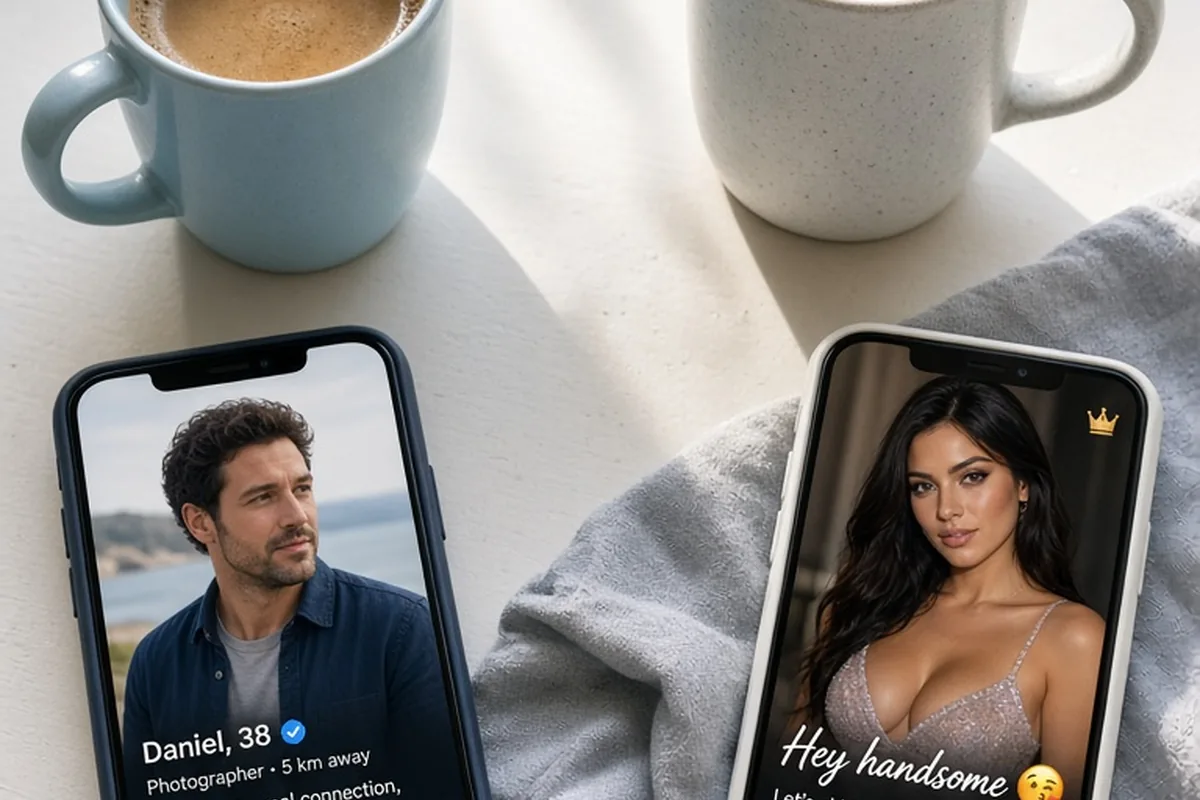
Dating apps connect you with millions of singles, but they also host bots, scammers, and emotionally dishonest users. To distinguish authentic people from fake profiles, look for verified badges, specific local details, and natural conversational flow. Propose a brief video call or a public, low-pressure coffee date early on. Genuine people welcome transparent verification, while deceptive accounts routinely deflect, escalate intimacy instantly, or avoid meeting in person.
Swiping through profiles often feels like navigating two completely different worlds at once. On one side are sincere adults looking for mutual companionship, and on the other are automated bots, commercial accounts, and individuals seeking digital validation without any intention of meeting. Learning to recognize the difference protects your emotional energy and keeps you focused on genuine opportunities.
Understanding the Spectrum of Inauthentic Dating Profiles
Inauthentic accounts on dating platforms are not all created for the same reason. At one end of the spectrum are automated scripts and organized scammers designed to extract financial information, redirect users to paid adult portals, or run cryptocurrency schemes. These profiles usually rely on stolen images of professional models or influencers, automated messaging templates, and rapid attempts to redirect the interaction away from the platform's moderation systems.
At the other end of the spectrum are emotionally inauthentic users: real people who misrepresent their relationship status, use outdated photographs, or participate purely for the dopamine rush of receiving matches. While not criminal, interacting with these users can be just as draining. Recognizing whether an account is technically fake or behaviorally insincere allows you to disengage early rather than spending days investing in a dead end.
Visual and Biography Red Flags to Watch for Immediately
A profile often reveals its authenticity before a single message is exchanged. Deceptive accounts frequently display high-glamour, studio-quality images that lack candid, everyday contexts like local landmarks, casual dining, or varied lighting. If every photo looks like a magazine spread, or if there is only one photo uploaded without any linked social accounts or verification checks, exercise caution. Conversely, real users usually feature a blend of portrait shots, candid moments with friends or hobbies, and varied environments.
The written biography provides additional context. Automated or low-effort fake accounts often feature vague, overly inspirational quotes, awkward syntax, or an immediate invitation to follow an external account on another platform. Be wary of profiles that list specific, distant geographical locations while showing up in your local radius, as scammers frequently manipulate location settings to target specific metropolitan markets.
Conversational Clues: Scripts Versus Organic Dialogue
Once you begin messaging, the rhythm of communication quickly highlights whether you are speaking with an authentic person. Automated accounts often reply almost instantaneously at all hours with generic compliments that ignore the specific points you made in your opening message. If you ask a localized question—such as their favorite neighborhood park or a local event—and receive an evasive or completely unrelated response, you are likely interacting with an automated script or someone operating from a distant region.
Human deceivers, such as romance scammers, tend to employ intense emotional pacing known as love bombing. Within a handful of messages, they may proclaim that they feel a profound spiritual connection, call you terms of endearment prematurely, or share elaborate personal hardships designed to evoke sympathy. Authentic connection develops gradually through mutual curiosity and shared humor, not manufactured urgency.
Practical Verification Techniques That Respect Boundaries
Verifying that a match is genuine does not require invasive interrogation. One of the most effective, respectful ways to confirm identity is suggesting a brief, five-minute video call or exchanging voice notes within the app before meeting. You can frame this casually by saying you like to put a voice to a face before coordinating schedules. An authentic match who is interested in meeting will generally understand and agree to a short check-in.
It is important to recognize the difference between reasonable hesitation and persistent avoidance. A real person might have a busy schedule, temporary camera shyness, or personal safety boundaries, but they will offer an alternative way to establish comfort. A fake profile or scammer will offer repeated, dramatic excuses—such as broken cameras, strict military deployments, or sudden travel emergencies—while continuing to insist on text-only communication.
Filtering Out Pen Pals and Validation Seekers
Not all problematic profiles are automated; many belong to real individuals who have no intention of ever meeting in the real world. These users enjoy the constant stream of compliments, attention, and casual texting to pass the time or boost their self-esteem. If you find yourself in an engaging messaging exchange that extends past ten days without any movement toward a phone call or an in-person meeting, you may be functioning as an unpaid source of entertainment.
To filter for real-world intent, propose a low-pressure, public first meeting after a few days of solid conversational rapport. Suggesting a straightforward coffee or a casual drink gives the other person a low-investment opportunity to say yes. If they repeatedly deflect, cancel at the last minute without rescheduling, or revert to endless digital small talk, their goals do not align with real-world dating.
Essential Safety Habits to Protect Your Privacy and Focus
Maintaining clear personal boundaries keeps online dating productive and safe. Never share sensitive personal details—such as your home address, workplace location, financial circumstances, or private social media accounts—until you have met in person and established mutual trust. Furthermore, treat any unsolicited financial advice, cryptocurrency discussions, or requests for emergency monetary help as an immediate reason to block and report the profile.
Protecting yourself also means managing your internal expectations. Treat every unverified profile as a tentative possibility rather than an established reality. When you avoid projecting idealized traits onto a digital screen, you naturally maintain the objectivity needed to spot red flags early and invest your time in people who show consistent, reciprocal interest.
Illustrative Scenarios
Recognizing Early Off-Platform Deflection
Mark matched with an attractive profile featuring pictures of an avid traveler. Within three messages, the match praised Mark's appearance and asked him to switch immediately to an encrypted third-party messaging app, claiming she rarely logged into the dating app. When Mark asked which part of town she lived in, she gave a vague response and repeated her off-platform request. Recognizing the rushed pacing and lack of local familiarity, Mark politely suggested continuing their conversation on the dating app for a few more days. The account unmatched him immediately.
Key point: Scammers often rush matches off dating platforms to avoid moderation filters; holding your boundary on the app quickly filters out bad actors.
Addressing the Endless Texting Cycle
Elena had been texting a match named David for over two weeks. Their digital rapport was witty and steady, but whenever Elena suggested grabbing coffee over the weekend, David cited demanding work deadlines while continuing to send daily, affectionate good-morning messages. Feeling her time was being wasted, Elena sent a polite message explaining that while she enjoyed their texts, she was on the app to date in person and asked if he was free to meet that Friday. When David offered another open-ended excuse without proposing an alternate day, Elena ended the interaction.
Key point: Clarifying your preference for in-person connection protects you from becoming a perpetual texting companion for validation seekers.
Frequently asked questions
How quickly should I propose meeting in person on a dating app?
Most healthy interactions transition from text to a short call or in-person invitation within four to seven days of consistent chatting. This timeframe allows enough room to establish basic rapport and mutual safety while preventing the conversation from stalling into endless texting.
Are verified photo badges on dating apps completely safe?
Verification badges confirm that the person who uploaded the selfies matches the photos on the account, which significantly reduces the risk of automated bots and traditional catfishes. However, a verified badge does not guarantee emotional honesty, relationship readiness, or good intentions, so you should still maintain standard dating boundaries.
What should I do if a match asks for money or financial help?
Never send money, gift cards, or financial details to someone you have only met online, regardless of how compelling or tragic their story sounds. Report the account immediately to the platform moderation team and block all communication without engaging in further debate.
What is the best way to handle a match who refuses a video chat?
Acknowledge their comfort level without compromising your own need for safety. You can offer an alternative like an in-app voice message or a quick public meeting in a busy daytime cafe; if they decline all low-risk alternatives, it is best to move on.
Your next step
Audit your current matches today and invite those with strong conversational rapport to a brief phone call or a casual public coffee date, politely disengaging from anyone who persistently avoids moving beyond text.