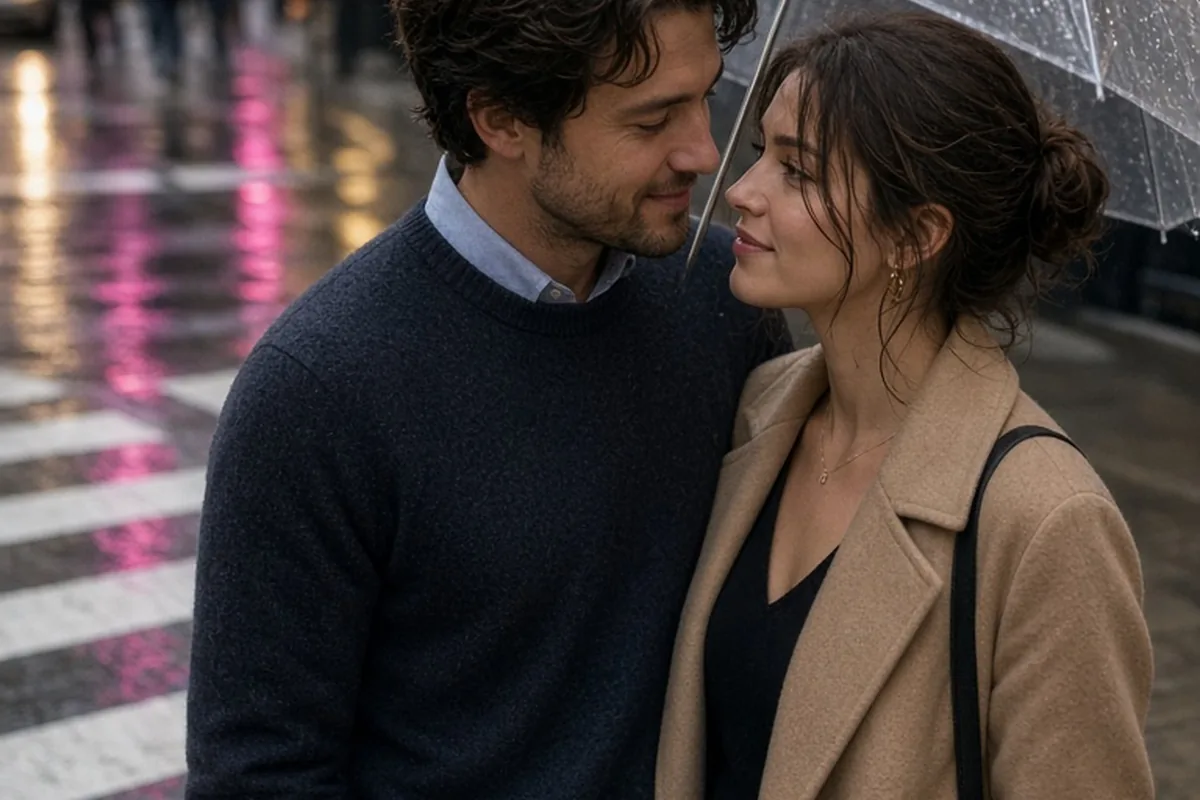
The best dinner date outfit balances the venue atmosphere with your authentic personal style and physical comfort. For casual eateries, pair well-fitted dark denim or tailored chinos with a knit sweater, casual button-down, or structured jacket. For upscale venues, choose tailored trousers with a crisp shirt and blazer, a classic midi dress, or an elevated matching set paired with polished footwear.
Getting ready for an evening out should feel like an enjoyable prelude to good conversation rather than an exercise in second-guessing your wardrobe. When your clothes fit well and match the setting, you can stop thinking about how you look and focus entirely on connecting with your companion.
Assessing the Venue to Match the Setting and Vibe
The first step in choosing what to wear is understanding the environment of the restaurant. A dimly lit wine bar with small plates calls for a different aesthetic than an energetic taco spot or a white-tablecloth establishment. Look up the restaurant online beforehand to view photos of the interior and get a sense of the lighting, seating arrangements, and general dress code. If the space features plush booths and ambient low lighting, rich colors and tactile fabrics like velvet, silk blends, or fine wool create depth and look intentional. In contrast, outdoor patio dining or casual neighborhood bistros welcome relaxed textures like raw denim, soft cotton, and unstructured outerwear.
A common dilemma happens when the location remains a surprise or has an ambiguous dress code. In these situations, aiming for a smart-casual middle ground is your safest and most versatile strategy. You can achieve this by pairing one structured, dressy piece with something more relaxed, such as combining dark tailored trousers with a soft knit polo or pairing an elegant slip skirt with a fitted knit and leather jacket. The trade-off of this balanced approach is that while you may rarely be the most formally dressed person in the room, you will never be inappropriately casual, allowing you to walk into any dining room feeling composed.
Casual and Bistro Dinners: Relaxed Yet Intentional Combos
Casual dining spots require an outfit that conveys effort without appearing stiff or overdressed. For a reliable base, start with clean, dark-wash jeans free of heavy distressing, or a pair of tailored chinos in neutral tones such as olive, navy, or charcoal. Pair these bottoms with a well-fitted crewneck sweater, a textured waffle knit, or an Oxford cotton button-down worn untucked with the sleeves rolled once or twice. Layering a suede bomber jacket, an overshirt, or an unstructured chore coat adds visual interest and allows you to adjust to fluctuating indoor temperatures.
If you prefer dresses or skirts, a ribbed knit midi dress paired with clean leather sneakers or low-heeled ankle boots strikes the right balance between relaxed charm and thoughtful preparation. Another great option is high-waisted wide-leg trousers worn with a tucked-in fitted tee and an oversized cardigan. The key to making casual clothing feel date-ready lies in the fit and condition of the garments. Freshly pressed items, clean hemlines, and spotless footwear communicate care and intentionality, even when the pieces themselves are inherently relaxed.
Fine Dining and Upscale Lounges: Polished and Tailored Styles
Upscale venues provide an opportunity to wear sharper silhouettes and richer materials that feel distinct from your everyday routine. Men and masculine dressers can opt for a modern tailored suit worn without a tie, substituting the traditional dress shirt with a fine-gauge merino wool turtleneck or a crisp linen-cotton blend shirt. If a full suit feels too formal, pairing charcoal wool trousers with a tailored navy blazer and brown leather Chelsea boots creates an elevated, contemporary look that fits seamlessly into high-end dining rooms.
For women and feminine dressers, a tailored wrap dress, a sleek jumpsuit with waist definition, or an elegant midi-length bias-cut skirt paired with a structured blazer offers timeless sophistication. In formal settings, darker hues such as burgundy, forest green, deep navy, and classic black naturally complement evening lighting. However, remember the trade-off between formality and physical comfort. Restrictive garments or shoes that make walking from the car to the table difficult can distract you throughout the meal, so prioritize tailored cuts that allow for comfortable sitting and easy movement.
The Role of Fabric, Texture, and Strategic Layering
Restaurants frequently present unpredictable microclimates, ranging from drafty air conditioning near kitchen doorways to warm ambient heat near open kitchens. Strategic layering solves this problem while adding depth and texture to your outfit. Fabrics with subtle surface texture, such as brushed cotton, corduroy, cashmere, silk, and lightweight tweed, catch evening restaurant lighting favorably and create a polished, multi-dimensional aesthetic without needing loud patterns or bright colors.
When planning your layers, make sure each individual layer looks complete on its own. For example, if you wear a lightweight sweater over a collared shirt under a tailored coat, ensure that removing the coat or the sweater still leaves a balanced, cohesive silhouette. Avoid heavy synthetic fabrics that trap heat and moisture, which can cause discomfort in crowded or warm dining rooms. Natural, breathable fibers keep you comfortable during the meal and transition easily if the date continues to a walk or an evening nightcap.
Selecting Footwear That Balances Form and Function
Footwear often anchors an entire outfit and sends an immediate signal about your attention to detail. For casual to mid-range dinners, clean minimalist leather sneakers in white, black, or tan offer modern versatility when paired with tailored trousers or dark denim. Suede loafers, desert boots, and clean Chelsea boots provide an easy upgrade that looks refined without crossing into rigid business attire. Ensure your shoes are clean, scuff-free, and well-maintained before heading out.
For more formal dinners, classic leather dress shoes, polished ankle boots, or elegant block heels elevate your overall presentation. Comfort is a crucial factor here; opting for a manageable heel height or well-broken-in dress shoes ensures you are not in pain if you decide to take a post-dinner stroll or end up waiting for a table at a busy lounge. A visually striking pair of shoes loses its appeal if it causes visible discomfort or restricts your mobility throughout the evening.
Finishing Details: Grooming, Understated Accessories, and Fragrance
The finishing touches of your outfit tie everything together and reinforce a sense of understated confidence. Keep accessories purposeful and cohesive with the rest of your look. A classic wristwatch with a leather or metal strap, subtle stud or hoop earrings, a delicate pendant necklace, or a simple leather belt completes an ensemble without creating distracting focal points. Avoid overly loud, jingling jewelry or bulky accessories that might clatter against the dining table during conversation.
Personal grooming and fragrance application should also be calibrated for close-quarters dining. A subtle scent adds an intimate and pleasant dimension to your presence, but heavy application can overwhelm delicate food aromas and become unpleasant in tight seating areas. Apply a single spray of fragrance to pulse points like the collarbone or wrists at least twenty minutes before meeting. Clean, well-kept hands and nails are equally noticeable across a dining table, making basic grooming just as important as the clothes you choose.
Illustrative Scenarios
Navigating a High-End Dinner Straight After Work
Marcus was heading to a stylish downtown Italian restaurant directly from his corporate job. His initial plan was to stay in his standard dark business suit and tie, but he worried he would look overly rigid and seem like he had not transitioned into a relaxed social mindset. Instead of staying in his full office uniform, Marcus removed his tie, swapped his stiff dress shirt for a charcoal merino wool crewneck beneath the blazer, and switched his formal oxford shoes for polished leather Chelsea boots. The revised outfit maintained the sophisticated standard of the restaurant while softening the corporate edge, allowing him to feel relaxed, approachable, and appropriately dressed for the romantic setting.
Key point: Swapping one or two formal work staples for softer knitwear or modern boots creates a smooth transition from professional to date-ready.
Dressing for a Surprise Destination Without Stress
Jordan agreed to a dinner date where the venue was kept a surprise until arrival. Initially anxious about choosing between a casual sweater and a dressy cocktail outfit, Jordan risked either feeling underdressed or awkwardly formal. To resolve the uncertainty, Jordan chose a tailored dark midi skirt, a fitted cream ribbed top, a structured black leather jacket, and low-heeled leather boots. When the date turned out to be a lively tapas lounge, the leather jacket and boots brought an effortless edge, while the tailored skirt and clean silhouette ensured the outfit would have looked equally at home in a white-tablecloth dining room.
Key point: Pairing one structured staple with versatile layers creates a reliable look that adapts smoothly to almost any dining environment.
Frequently asked questions
How should I dress if I do not know the restaurant in advance?
Choose a versatile smart-casual outfit built around tailored dark trousers or an understated midi skirt paired with quality knitwear and a clean jacket. This middle-tier approach prevents you from feeling out of place whether the destination leans casual or upscale. You can easily adjust your level of formality by removing or adding a structured outer layer.
Is it generally better to be slightly overdressed or underdressed?
Leaning slightly overdressed is almost always preferable to being underdressed, as it demonstrates care and preparation for your time together. To keep from feeling stiff, ensure your elevated pieces have comfortable fits and soft textures rather than rigid formal tailoring. A sharp jacket or tailored pants can always be toned down by rolling up sleeves or leaving collars open.
What colors work best for evening dinner dates?
Deep, rich tones like navy, charcoal, burgundy, olive, and warm neutrals look exceptionally flattering under soft restaurant lighting. Classic black is timeless and sleek, though incorporating tactile fabrics like cashmere, silk, or corduroy prevents dark monochrome outfits from appearing flat. Choose shades that make you feel confident and complement your natural complexion.
How can I ensure my outfit stays comfortable throughout a long meal?
Prioritize garments that offer natural give or slight stretch around the waist and shoulders, avoiding excessively tight bands or stiff fabrics that feel restrictive when seated. Test your outfit beforehand by sitting down in front of a mirror to verify that the hemline, neckline, and buttons remain comfortable and secure during movement. Comfortable footwear completes the foundation, ensuring you can walk with ease if the evening continues.
Your next step
Take five minutes to check the venue photos online, then select an outfit that combines one tailored piece with comfortable natural fabrics so you can focus entirely on enjoying your date.