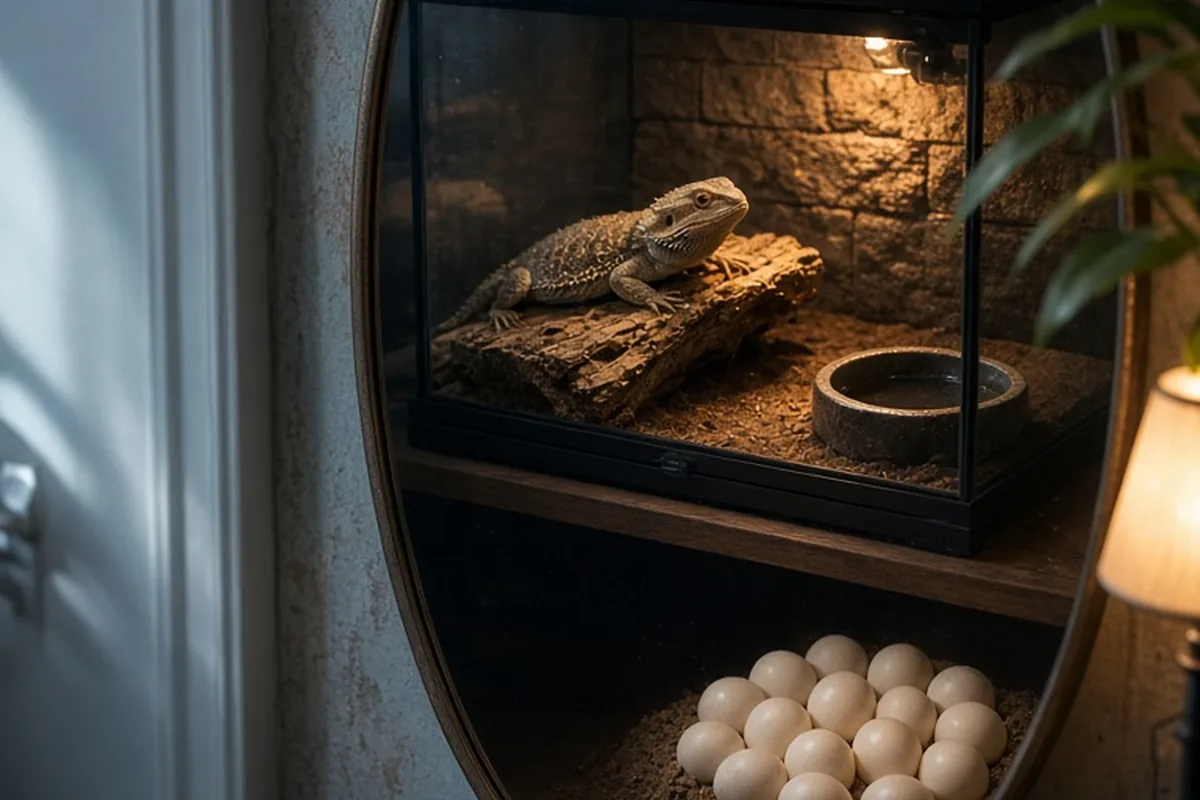
Yes, female bearded dragons can lay eggs without a male. Solitary female bearded dragons can develop and deposit clutches of infertile eggs once they reach sexual maturity, typically between two and four years of age. These infertile eggs cannot hatch and will rot if left in the enclosure, requiring a proper nesting box and prompt disposal to protect your pet's overall well-being.
Discovering a clutch of eggs in a solitary reptile enclosure is often surprising for keepers who assumed mating was required for egg production. Understanding why ovulation happens naturally in solitary females allows you to prepare appropriate nesting spaces, provide crucial nutritional support, and prevent dangerous reproductive complications.
The Biological Mechanism Behind Infertile Clutches
Female bearded dragons possess an innate reproductive system that responds primarily to environmental triggers rather than the physical presence of a mate. As seasonal conditions shift, changes in ambient room temperature, daylight duration, and dietary abundance stimulate the ovaries to produce follicles. These follicles absorb nutrients, expand into eggs, and travel down the oviduct whether sperm is present to fertilize them or not. Because solitary females have not bred, these clutches contain only yolk and shell structures with no genetic material capable of development.
Not every female bearded dragon will lay infertile eggs during her lifetime. Some individuals cycle repeatedly every spring and produce multiple clutches per year, while others live their entire lives without producing a single clutch. The onset typically coincides with full physical maturity between eighteen months and three years of age. Recognizing that clutch production is an individual hormonal response helps pet owners stay calm while maintaining the specialized care and husbandry standards needed to support a laying dragon.
Recognizing Gravid Behavior and Activity Changes
When a female bearded dragon is carrying eggs, she enters a physiological state known as being gravid. Keepers usually notice dramatic behavioral shifts two to three weeks prior to egg deposition. A previously relaxed lizard may become extraordinarily restless, spending hours pacing the perimeter of her habitat, scratching vigorously at the glass corners, or frantically digging into tiles and enclosure decor. This behavior reflects the wild instinct to seek out soft, sheltered ground with optimal moisture and warmth for burying a clutch.
Alongside relentless digging, a gravid dragon often displays shifts in feeding patterns. In the early stages of follicle growth, her appetite may surge as she metabolizes calories to build the eggs. However, as the mature eggs fill the body cavity and press against her stomach, she will frequently undergo an abrupt feeding strike several days before oviposition. While skipping meals is normal right before laying, keepers must ensure the dragon remains energetic, hydrated, and alert rather than weak or unresponsive.
Physical Indicators and Safe Handling Precautions
Physical changes accompany behavioral shifts as the eggs reach full development inside the abdominal cavity. A gravid dragon develops a visibly wider, distended abdomen that looks round or pear-shaped when viewed from above. In the final days before laying, subtle rounded contours resembling small marbles may become visible through her flanks when she flattens her body under the basking lamp. Her total body weight will steadily rise during egg development and drop sharply immediately after deposition.
While checking for eggs by touch is common, physical palpation must be conducted with extreme gentleness. Applying heavy pressure to a dragon's belly can crack or rupture egg membranes internally, triggering egg yolk coelomitis, an inflammatory condition that often requires intensive veterinary treatment. To inspect safely, let the dragon rest comfortably across your open palm and lightly support the underside of her belly without squeezing. If distinct, firm lumps are perceptible with minimal contact, she is carrying a mature clutch.
Constructing an Effective Lay Box for Nesting
Providing an adequate nesting box is one of the most critical interventions for a gravid female. When dragons lack a suitable substrate to dig deep tunnels, they may withhold their eggs out of distress, leading to dangerous health risks. A standard lay box can be built using an opaque plastic storage container measuring at least twenty-four inches in length, eighteen inches in width, and twelve to sixteen inches in depth, which allows the dragon to construct a secure burrow without feeling exposed.
The ideal nesting substrate consists of a balanced blend that maintains its structural integrity while digging.
Place the prepared container in a quiet area with minimal foot traffic. Suspend a low-wattage basking lamp over one side of the box to achieve a gentle surface temperature between eighty and eighty-five degrees Fahrenheit. Transfer the dragon into the box once she shows intense digging signs in her enclosure, giving her undisturbed privacy for several hours to work.
- A 50/50 mixture of organic, pesticide-free topsoil and washed play sand
- Pure moistened coconut coir blended with play sand for easy burrow support
- Substrate moisture calibrated so the mix clumps firmly without squeezing out excess standing water
Nutritional Adjustments and Calcium Supplementation
Producing fifteen to thirty eggs places an intense metabolic burden on a female dragon's bodily reserves. Shell formation draws heavily on circulating calcium, and if dietary calcium is insufficient, the body pulls minerals directly from skeletal bones, leaving the reptile vulnerable to metabolic bone disease. During the weeks surrounding egg development, dust every offered insect meal with high-grade calcium powder with vitamin D3 to prevent catastrophic mineral depletion.
In addition to calcium, maintaining robust hydration and ultraviolet lighting is essential. A dragon cannot absorb and process dietary calcium without adequate exposure to high-output linear UVB lighting, making it vital to confirm that your UVB tube is not expired and is positioned at the correct basking distance. Offer water directly via a dropper onto the dragon's snout daily, along with nutrient-dense leafy greens such as collard greens, mustard greens, and turnip greens to sustain internal hydration.
Identifying and Managing the Risk of Egg Binding
Egg binding, medically termed dystocia, occurs when a female is unable to pass one or more eggs through the reproductive canal. Dystocia can result from inadequate nesting substrate, insufficient environmental temperatures, calcium deficiency, or unusually large or misshapen eggs. An egg-bound dragon will rapidly transition from active digging to severe lethargy, exhibiting visible straining, a dark black beard, sunken eyes, and hind leg weakness or dragging.
Dystocia is a serious medical emergency that cannot be treated with home remedies. If a dragon spends more than forty-eight hours actively digging without depositing eggs, or if she appears exhausted, dull, and unresponsive, she must be examined by an experienced reptile veterinarian immediately. Veterinary interventions may include therapeutic warm soaks, supportive fluid therapy, injectable calcium gluconate, hormonal stimulation to induce contractions, or emergency surgical extraction.
Post-Laying Care and Terrarium Restoration
Once the dragon completes oviposition, she will methodically pack substrate over the nesting site using her head and snout before emerging from the burrow looking visibly thin and deflated. Promptly lift the dragon out of the lay box and inspect the nesting area to collect and count the clutch. Infertile eggs must be discarded in household trash, as they decompose rapidly and create bacterial buildup if left inside the habitat.
After removing the eggs, place the dragon into a shallow, lukewarm bath for fifteen minutes to rinse away clinging soil and promote vital rehydration through drinking. Return her to a clean, sanitized main terrarium with appropriate basking heat. Over the following two to three weeks, feed her protein-rich insects and calcium-dusted greens to replenish spent fat pads and muscle mass, monitoring her stool quality and energy levels until she returns to baseline health.
Frequently asked questions
How many infertile eggs does a bearded dragon lay in one clutch?
A female bearded dragon typically lays between fifteen and thirty eggs in a single clutch. Younger dragons or those experiencing their very first reproductive cycle may lay smaller clutches of ten to fifteen eggs.
How can you tell if bearded dragon eggs are fertile or infertile?
Infertile eggs are generally soft, yellowish, dented, and rubbery, whereas fertile eggs are chalky white, firm, and symmetrical. Shining a small flashlight behind an egg in a dark room will reveal pink blood vessels in fertile eggs, while infertile eggs show only uniform yellow yolk.
How long does the egg-laying process take from start to finish?
Once a dragon begins actively digging her final burrow in a suitable lay box, the actual laying process usually takes two to four hours. If active straining and nesting continue for multiple days without any eggs appearing, veterinary evaluation is necessary.
Can you stop a female bearded dragon from producing infertile eggs?
You cannot completely eliminate natural hormonal cycles, but you can minimize excessive laying by adjusting environmental cues. Maintaining stable day-night light cycles, preventing habitat overheating, and avoiding high-fat or excess protein diets can help keep reproductive hormones balanced.
Your next step
Prepare a dedicated lay box with damp substrate at the first sign of frantic digging, increase daily calcium dusting, and contact an exotic veterinarian promptly if your dragon shows prolonged lethargy or straining.