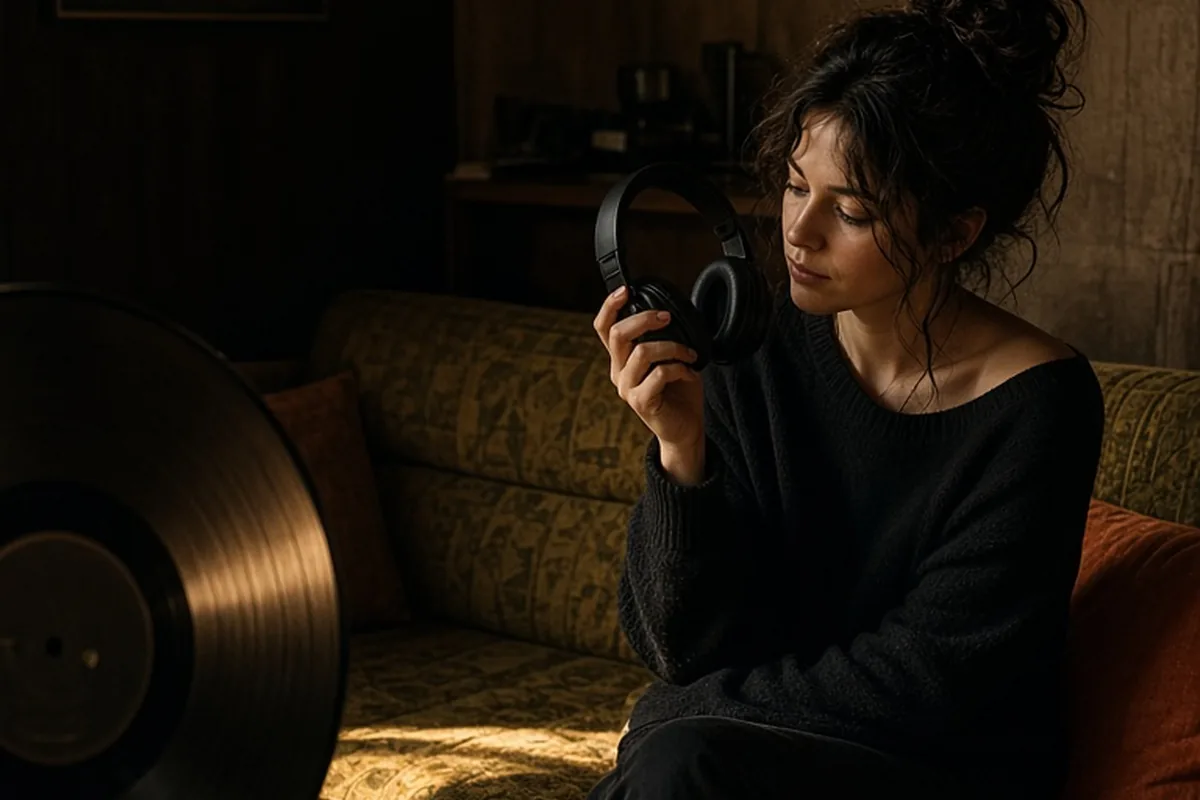
Historically, general heavy metal audiences have skewed male, and doom metal shares much of that broader audience base. However, doom metal and its related subgenres attract a notably diverse and gender-balanced following compared to faster, hyper-aggressive styles. While men still form a numerical majority at many live shows, women and non-binary listeners represent a substantial, visible, and rapidly expanding presence among fans, musicians, and organizers across the scene.
Exploring alternative subcultures often brings up questions about who participates, what community norms look like, and how comfortable the space feels for newcomers. Understanding the audience profile and cultural dynamics of doom metal offers helpful context for anyone curious about attending shows, joining community discussions, or diving into heavy music.
Historical Heavy Metal Demographics and the Doom Metal Context
Heavy metal originated in the late 1960s and 1970s with roots firmly planted in working-class counterculture, blues music, and amplified rock experimentation. Early audience studies and live concert demographics across the wider metal umbrella historically showed a significant male majority. This trend was reinforced by marketing practices, masculine posturing in mainstream media, and localized subcultures that were not always actively welcoming to women or marginalized groups. Because doom metal traces its lineage directly back to Black Sabbath and early heavy blues, it inherited a significant portion of this established fan demographic.
Despite sharing historical roots with the broader genre, doom metal developed a distinct identity that diverges sharply from the high-speed aggression of thrash, power, or early death metal. By prioritizing downtuned resonance, slow tempos, and psychological weight over frenetic energy or machismo, the subgenre naturally created space for a broader variety of listeners. Over recent decades, as access to music expanded through digital distribution and grassroots underground networks, the listener base has shifted. While older male fans remain a stable pillar of the community, contemporary doom audiences display far greater gender diversity than traditional metal stereotypes suggest.
Why Doom Metal Appeals Across Gender Lines
The artistic core of doom metal centers on emotional vulnerability, atmospheric depth, existential contemplation, and expansive soundscapes. Unlike subgenres that emphasize hyper-technical speed, competitive aggression, or shock value, doom focuses on mood, melancholy, and immersive sonic weight. Themes often explore personal grief, mythology, nature, human frailty, and spiritual reflection. These artistic elements resonate universally, drawing in listeners who value contemplative and deeply emotive listening experiences regardless of their gender identity.
Furthermore, doom metal frequently intersects with adjacent musical genres such as post-rock, gothic rock, shoegaze, psychedelic rock, and ambient music. Subgenres like funeral doom, stoner rock, and atmospheric sludge incorporate textured vocals, warm analog fuzz, and dynamic pacing that attract fans from outside traditional heavy metal circles. This cross-pollination means that audiences at a doom show are often composed of music enthusiasts from diverse backgrounds, creating a community vibe that values aesthetic immersion over rigid genre gatekeeping.
The Impact of Visible Women and Non-Binary Artists
Representation on stage plays a critical role in shaping the demographics of any musical subculture. Doom metal has a long and celebrated history of women musicians, vocalists, and bandleaders who have shaped the foundational sound of various subgenres. From the ethereal, operatic contributions in gothic doom to the thunderous basslines and crushing riffs in traditional and sludge bands, women have maintained an influential presence as creators rather than mere spectators.
When prospective fans see diverse artists commanding stages, headlining festivals, and releasing acclaimed albums, it fundamentally alters the atmosphere of the community. Visible leadership on stage encourages more women and non-binary individuals to participate as concertgoers, audio engineers, tour managers, and label owners. This ongoing normalization of diverse voices helps dismantle outdated assumptions about who belongs in heavy music spaces and fosters an environment where creative contribution matters far more than traditional gender norms.
What the Atmosphere Feels Like at Live Doom Metal Shows
For anyone deciding whether to attend a live performance, the atmosphere of a doom metal show is often a pleasant surprise compared to common metal tropes. Because tempos are slow and the physical volume is crushing yet steady, doom concerts generally lack high-impact mosh pits, stage diving, or chaotic crowd surges. Instead, audiences typically stand in place, head-nodding rhythmically and absorbing the physical vibration of massive amplifier stacks in a shared, almost meditative state of listening.
This lower-energy physical environment makes live shows far more accessible to people who feel uncomfortable in chaotic or physically aggressive spaces. Concertgoers tend to be respectful of personal space and focused on the auditory experience. While baseline safety awareness is always sensible in any nightlife setting, doom metal crowds are widely regarded within the underground music scene as polite, observant, and community-minded, making them welcoming entry points for solo attendees and newcomers alike.
Navigating Online Communities and Residual Gatekeeping
While the physical doom metal scene is generally warm, newcomers may occasionally encounter residual gatekeeping, particularly in unmoderated online comment sections or niche forums. Historical stereotypes about heavy music can lead some individuals to question the authenticity of newer fans, women, or non-binary listeners through trivia checks or condescending remarks. Recognizing that this behavior reflects individual insecurity rather than the consensus of the broader community is essential for maintaining confidence in your own musical interests.
To find supportive and enriching spaces, seek out moderated fan groups, artist-run Discord servers, Bandcamp community hubs, and local independent record stores that prioritize inclusive communication. Many modern metal collectives, music zines, and grassroots promotional groups actively champion safe, respectful dialogue. Surrounding yourself with fellow enthusiasts who are excited to share recommendations rather than police authenticity makes participating in the subculture significantly more rewarding.
Practical Ways to Explore and Enjoy the Doom Metal Subculture
If you are interested in exploring doom metal but feel uncertain about where to start, building a personal path of discovery can help you engage comfortably on your own terms. You do not need an encyclopedic knowledge of underground tape releases to be a legitimate fan. Engaging with the music should feel like an exciting personal exploration rather than an obligation to meet external standards.
Consider trying a few practical approaches to broaden your connection with the music and community:
Exploring different subgenres allows you to discover the specific sonic textures that resonate with your personal taste, giving you a strong foundation of favorite artists before you ever step into a concert venue.
- Start with gateway styles like stoner rock or melodic doom to get accustomed to lower tempos and heavy distortion without overwhelming harshness.
- Use platforms like Bandcamp to explore independent labels and follow artists directly, which connects you with authentic underground releases.
- Attend small local club shows with a pair of high-fidelity earplugs, giving yourself the freedom to experience the physical presence of the music in a low-pressure environment.
- Connect with local vinyl shops or independent record fairs to speak with knowledgeable staff who can offer tailored recommendations based on what you already enjoy.
Frequently asked questions
Is doom metal a safe and welcoming space for solo women attendees?
Yes, doom metal shows generally feature respectful, stationary crowds focused on sound rather than aggressive physical contact. While standard personal awareness applies to any concert venue, many solo women report feeling comfortable and unbothered at doom performances compared to more chaotic music events.
Why do doom metal demographics differ from faster metal genres?
Doom metal emphasizes atmospheric weight, emotional vulnerability, and blues-derived pacing rather than competitive aggression or rapid speed. These aesthetic qualities naturally draw a broader audience from various musical backgrounds, including post-rock, gothic music, and independent alternative scenes.
What should someone wear or bring to their first doom metal concert?
There is no strict dress code; casual dark clothing, jeans, or band shirts are standard, but attendees wear whatever feels comfortable. The single most important item to bring is quality ear protection, as doom metal bands frequently perform at very high amplifier volumes.
Are there online communities dedicated to diverse heavy metal fans?
Yes, numerous independent blogs, Discord channels, and social media collectives actively support women, non-binary, and diverse listeners in heavy music. Seeking out community hubs associated with inclusive independent labels or artist pages is an effective way to connect with welcoming peers.
Your next step
Pick one classic or modern doom metal album to listen to with high-quality headphones this week, focusing on your own emotional reaction to the sound rather than scene expectations.