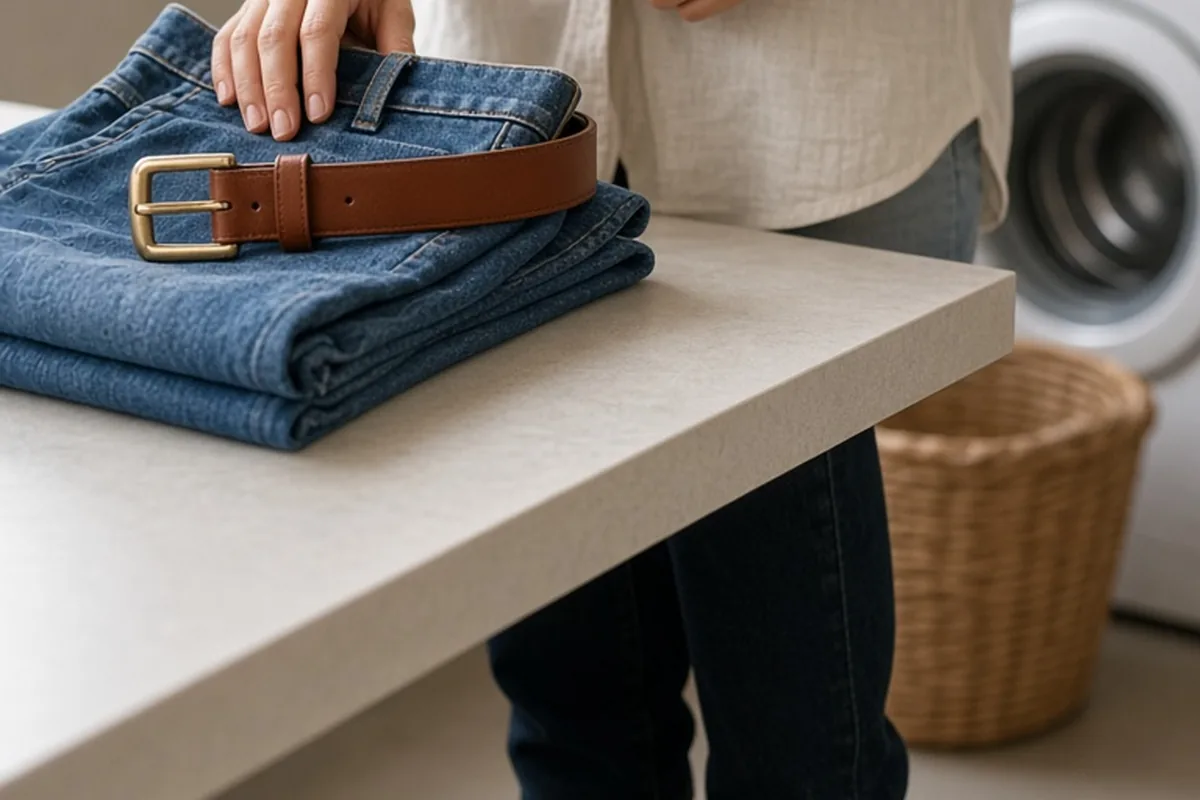
No, women's belts and shoes do not have to match. While strict matching was once considered a traditional fashion rule, modern style emphasizes tonal harmony, balanced contrast, and overall outfit cohesion instead of identical duplication. You can freely mix different leather shades, textures, and materials, provided your accessories complement each other and reflect the overall mood, color palette, and proportions of your clothing.
Traditional styling guidelines often insisted that accessories share the exact same dye lot and texture, leaving many people feeling restricted when assembling everyday outfits. Shifting away from rigid rules toward intentional coordination allows you to create versatile looks that feel contemporary, comfortable, and tailored to your personal taste.
The Evolution from Strict Matching to Visual Balance
Historically, formal etiquette and mid-century retail conventions dictated that a woman's shoes, belt, and handbag match exactly in shade, finish, and grain. This practice emerged during an era when garments were largely tailored to order and maintaining coordinated accessories signaled wealth, propriety, and careful planning. Departures from a matched set were frequently perceived as an accidental mismatch rather than a deliberate sartorial decision. Retailers capitalized on this convention by selling coordinated sets, reinforcing the idea that an outfit was incomplete without identical leather goods.
Over recent decades, contemporary styling has shifted decisively toward personal expression, relaxed tailoring, and effortless cohesion. When every accessory matches precisely today, an ensemble can unintentionally appear stiff, outdated, or overly staged. Modern fashion treats accessories as complementary layers that communicate with one another through shared undertones, silhouette harmony, or deliberate contrast. For example, pairing warm cognac ankle boots with a deep mahogany belt creates visual depth because both pieces belong to a rich earth-toned palette without mimicking each other. The primary constraint to keep in mind is avoiding aimless contrast; pairing pieces with conflicting aesthetic identities, such as an athletic neon belt with evening heels, can look unintentional unless a deliberate avant-garde contrast is your goal.
Pairing Neutral Leathers Without Visual Friction
The most common accessory dilemma involves mixing foundational neutrals such as black, brown, camel, navy, and cream. Trying to match two browns that are almost identical often results in a subtle clash where the tones compete rather than harmonize. Embracing noticeable shade differences avoids this issue entirely. Rich tan shoes pair gracefully with chocolate or espresso belts, grounding an outfit without introducing harsh color boundaries. Black and brown, once considered an unbridgeable clash, make an exceptionally chic combination when the contrast is sharp and framed by a third unifying color, such as dark-wash denim or charcoal knitwear.
To combine different neutral leathers successfully, observe the color temperature of your accessories. Warm neutrals like honey tan, cognac, camel, and warm taupe naturally complement one another, while cool neutrals such as slate grey, charcoal, cool beige, and inky black form their own natural grouping. For instance, wearing an off-white leather belt with stone-colored loafers creates a soft, minimalist palette suitable for linen trousers or light denim. The main trade-off comes from introducing too many competing neutrals at once; wearing black shoes, a brown belt, a burgundy bag, and an olive jacket can scatter visual focus. Limiting your leather accessories to one dominant neutral and one secondary neutral maintains a clean look.
Using Textures and Hardware to Unify Separates
Texture is one of the most effective tools for tying unmatched accessories together. When your belt and footwear share a similar material profile—such as brushed suede, woven leather, or embossed animal print—they create a cohesive visual thread even if their colors differ slightly. Conversely, varying texture helps break up monochromatic outfits so they do not feel monotonous. Wearing smooth black leather boots with a black croc-embossed or suede belt introduces tactile contrast that makes an all-black work ensemble appear rich and dimensional rather than flat.
Buckles and metallic accents also influence how well your accessories sit together. Belts frequently feature prominent hardware, from polished brass to brushed silver, which interacts with shoe buckles, jewelry, and handbag closures. You do not need to match every metallic element across your entire outfit, but choosing compatible finishes helps prevent visual clutter. Warm brass or antique gold hardware pairs comfortably with warm leather tones and tortoiseshell details, while polished chrome or silver naturally suits cooler leathers. If your footwear already features loud hardware, such as heavy zippers or metallic studs, choosing a belt with a quiet, minimal buckle prevents your look from becoming visually overwhelming.
Assessing Formality Levels Between Work and Casual Wear
The degree to which your belt and shoes should coordinate depends heavily on the setting and the formality of your outfit. In conservative corporate environments, formal boardrooms, and legal workplaces, traditional standards still carry weight. Wearing a tailored black trouser suit with a black leather belt and black pointed-toe pumps remains an effortless standard because it conveys polish without drawing attention to individual components. In these structured settings, staying within the same color family and leather sheen ensures your wardrobe communicates understated professionalism.
Conversely, casual, smart-casual, and creative work settings encourage more flexible styling choices. Casual staples like denim, knit dresses, linen button-downs, and utility trousers thrive on relaxed combinations. For example, wearing clean white leather sneakers with a vintage tan leather belt over high-waisted jeans creates an approachable, lived-in aesthetic. The white sneakers provide a sporty brightness, while the tan belt defines the waistline with warm structure. The trade-off is context; while white sneakers and a tan belt are ideal for weekend brunches and informal offices, that same pairing would feel out of place at a formal dinner or professional symposium.
Balancing Standout Accessories with Understated Accents
When you want to incorporate a statement accessory into an outfit, allowing one item to take the spotlight creates immediate balance. If you choose an eye-catching element, such as leopard-print calf-hair mules or a wide metallic chain belt, the counterpart accessory should ideally function as a neutral supporting piece. Pairing leopard loafers with a simple black or chocolate leather belt lets the distinctive print draw the eye without competing against ornamentation around your waist.
Attempting to match two vivid statement pieces often creates an overly coordinated look that can appear dated or theatrical. For instance, pairing a bright crimson patent belt with matching crimson patent pumps can overpower an outfit unless you are intentionally creating a themed retro ensemble. Instead, if your belt features vibrant embroidery, rich color, or sculptural buckle hardware, pair it with understated shoes in neutral leather, canvas, or suede. This deliberate hierarchy directs attention where you want it while keeping your overall styling effortless and refined.
Curating a Versatile Accessory Capsule
Building a functional wardrobe does not require buying a matching belt for every pair of shoes in your closet. A well-chosen core of three to four versatile belts can accommodate almost any footwear collection. A medium-width black leather belt with a clean buckle, a rich cognac or saddle-brown leather belt, and a textured option like woven raffia or neutral suede provide ample versatility. These foundational belts pair seamlessly across sneakers, ankle boots, summer sandals, and classic loafers without demanding exact color coordination.
In addition to color and texture, always consider visual weight and proportion when coordinating belts and shoes. Heavy footwear, such as lug-sole loafers or chunky combat boots, pairs best with belts of medium to substantial width to maintain proportional balance across your frame. In contrast, delicate footwear like strappy sandals, pointed ballet flats, or kitten heels looks most harmonious alongside slender, minimalist belts. Matching the scale and mood of your accessories creates an intrinsically cohesive outfit, even when the colors and materials are entirely distinct.
Frequently asked questions
Can I wear a black belt with brown shoes?
Yes, pairing a black belt with brown shoes works well when the rest of your outfit bridges the two neutrals. Combining rich brown boots with a black belt over medium-wash denim or charcoal trousers creates an intentional, modern contrast. Sticking to clean hardware and balanced proportions prevents the pairing from appearing accidental.
Should my handbag match my belt and shoes?
Your handbag does not need to match your belt or shoes. Coordinating all three items in identical leather often feels rigid, whereas treating your bag as an independent accent creates a more natural look. A helpful rule of thumb is to let two accessories share a similar tone or texture while the third provides a complementary neutral.
What color belt should I wear with white sneakers?
White sneakers are a clean neutral that pairs comfortably with almost any belt color or material. A warm cognac leather belt, woven canvas belt, or classic black belt all coordinate effectively with white sneakers depending on your trousers. Matching the relaxed mood of the sneakers with an equally casual belt ensures the combination feels balanced.
How should I coordinate belt buckles with shoe hardware?
You do not need to strictly match belt metals to shoe hardware, but choosing harmonious tones creates a cleaner appearance. Mixing warm brass and cool silver is acceptable as long as the finishes are understated rather than conflicting in high shine. If your shoes feature prominent metallic buckles, an understated belt buckle keeps your outfit visually grounded.
Your next step
Before getting dressed tomorrow, select your shoes first, then choose a belt based on compatible tone and visual weight rather than searching for an exact color match.