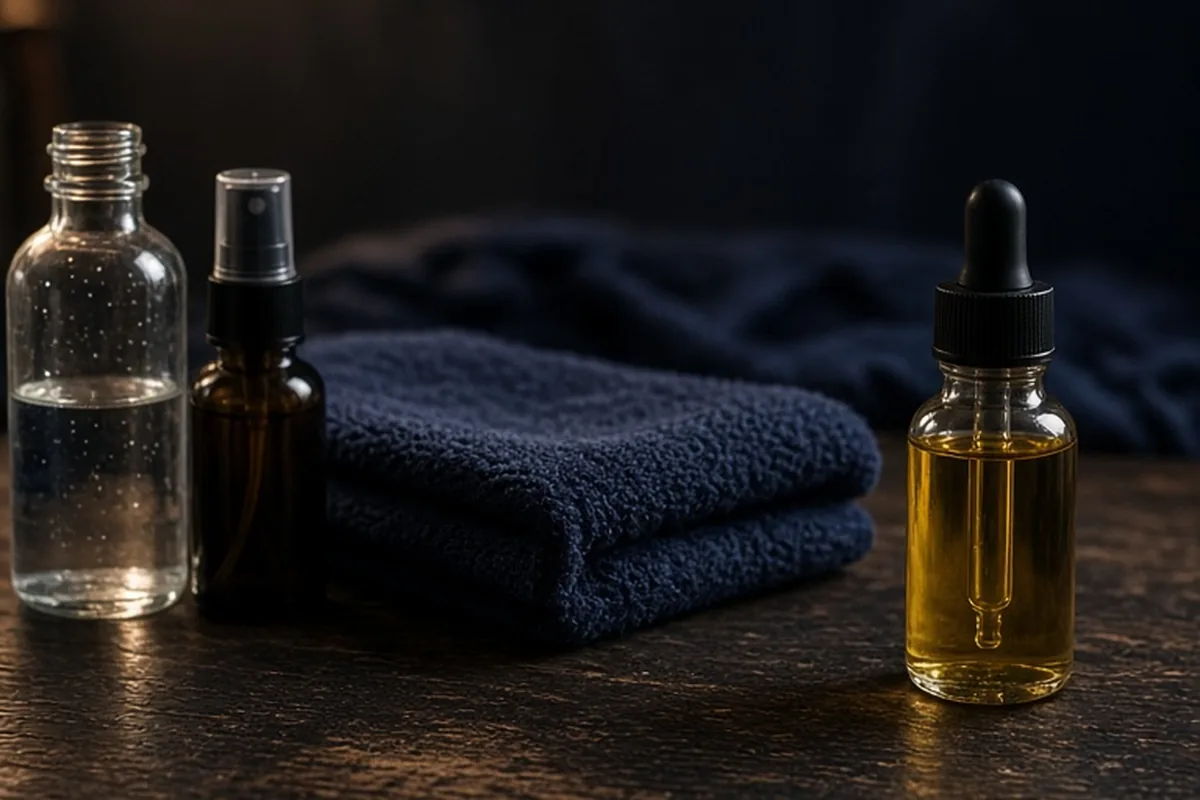
Hair oil does not moisturize hair on its own because true moisture requires water or water-based hydrating ingredients. Pure oils act primarily as sealants or lubricants that coat the hair fiber, locking in existing hydration and reducing friction. To properly moisturize your hair as a beginner, you must first apply water or a water-based leave-in product, followed by an oil to seal that hydration inside the hair shaft.
Starting a new hair care routine can feel overwhelming when shelves are packed with serums, pure plant oils, and rich butter blends that all claim to rescue dry strands. Many beginners purchase hair oils expecting them to act like instant moisturizers, only to find their hair feeling stiff, greasy, or still brittle after several days of application.
The Difference Between Hydration, Moisture, and Hair Oil
To understand why pure oils cannot moisturize dry hair on their own, it helps to look at the basic physics of hair hydration. True moisture in hair fibers comes exclusively from water molecules. Water penetrates the outer cuticle layer and enters the inner cortex, restoring flexibility, elasticity, and softness to strands that feel parched. Humectants like glycerin, aloe vera, and panthenol assist this process by drawing water from the surrounding air into the hair fiber. Without water or water-soluble ingredients, moisture simply cannot enter the structure of the strand.
Oils, by contrast, are hydrophobic lipids. Because oil and water naturally repel each other, applying a layer of pure oil to dry hair creates an effective barrier that prevents ambient moisture from getting in while trapping existing dryness inside. When hair is already dry and unwashed, brushing oil over the surface merely coats the exterior cuticle. This surface coating can give hair a temporary cosmetic shine and reduce comb friction, but the interior cortex remains dehydrated. Over time, layering oil repeatedly onto dry hair without introducing water leads to buildup, dullness, and increased breakage.
Sealing Oils Versus Penetrating Oils for Beginners
Not all hair oils behave the same way once they touch the hair fiber. For a beginner, the most useful distinction is between sealing oils and penetrating oils, which depends largely on fatty acid composition and molecular weight. Sealing oils have larger molecular structures that sit primarily on top of the cuticle layer. Examples include jojoba oil, mineral oil, argan oil, and castor oil. These oils work best as final protective coats that lock in water, smooth the outer cuticle, reduce moisture loss to dry air, and provide slip during styling.
Penetrating oils possess smaller molecular structures and specific triglyceride compositions that allow small amounts of the oil to pass beneath the outer cuticle into the cortex. Coconut oil, babassu oil, and olive oil are well-known examples of oils with higher penetration capacity. While penetrating oils do not deliver water, they can strengthen the internal protein structure and reduce the rate at which the hair absorbs and loses water rapidly during washing. Beginners should decide whether their main goal is internal lubrication and protein preservation with penetrating oils, or external environmental protection and smoothing with sealing oils.
How to Layer Water-Based Products and Oils in Your Routine
Applying hair products in the proper sequence ensures that your hair receives genuine moisture first and retains it over multiple days. The most reliable method for beginners is the liquid-oil-cream or liquid-cream-oil technique. Every effective routine begins with a liquid base, which can be clean tap water from a spray bottle, a freshly washed head of hair, or a lightweight water-based leave-in conditioner. Water must always be listed as the first ingredient on any hydrating product you choose for this foundational step.
Once the hair is damp and saturated with water-based hydrators, apply your chosen oil or oil-infused cream to seal the surface. If you have fine or low-density hair, using just a liquid leave-in followed by a few drops of a light sealing oil prevents heavy buildup while protecting the moisture. If you have thick, coarse, or tightly coiled hair, applying a rich water-based cream before finishing with an oil seal helps hold water in the strand for several days between wash cycles. Distribute the product evenly from mid-lengths to ends, keeping heavier oils away from your scalp unless you are doing a pre-wash scalp treatment.
Choosing the Right Oil Formulation for Your Hair Texture and Porosity
Hair porosity describes how easily your hair cuticles open and close to absorb or lose moisture, making it a critical factor in selecting an oil product. Low-porosity hair has tightly bound, flat cuticles that resist moisture absorption and become weighed down easily. Beginners with low-porosity strands should look for lightweight oils with high spreadability, such as sweet almond oil, grapeseed oil, or fractionated coconut oil. Heavy butters and thick oils tend to sit on low-porosity hair as a greasy film, blocking water from entering during subsequent wetting.
High-porosity hair has raised, chipped, or damaged cuticles caused by chemical treatments, heat styling, or natural structure. This hair type absorbs water rapidly but loses it just as quickly, resulting in chronic dryness. For high-porosity strands, heavier sealing oils like Jamaican black castor oil, shea butter, avocado oil, and rich argan blends provide the substantial barrier needed to plug gaps in the damaged cuticle. Medium-porosity hair generally tolerates a wider variety of oils, allowing you to choose based on your preferred styling finish and hair thickness rather than extreme barrier needs.
Common Mistakes When Using Oils on Dry or Damaged Hair
One of the most frequent mistakes beginners make is using pure hair oil as a heat protectant prior to blow-drying, curling, or flat-ironing. While specialized heat-protectant serums often contain silicone-oil blends formulated to diffuse heat, pure kitchen oils or raw botanical oils can heat up directly on the hair shaft, effectively frying the cuticle and accelerating thermal damage. Always verify that a product carries a specific thermal protection rating on its packaging before exposing oiled hair to hot tools.
Another widespread pitfall is applying oil directly to an itchy, flaking scalp in an attempt to treat dry skin. Flaking on the scalp is frequently caused by an overgrowth of naturally occurring yeast that feeds on lipids, rather than simple skin dryness. Pouring heavy oils onto the scalp can feed this yeast and worsen irritation, flaking, and redness. Keep styling oils focused on the mid-lengths and ends of the hair shaft, and use gentle, medicated or clarifying shampoos if scalp flaking persists.
How to Clarify and Reset Hair After Regular Oil Use
Because sealing oils and heavy lipid formulations are designed to resist water, relying on gentle, sulfate-free cleansers or co-washes indefinitely can leave behind an invisible film of stubborn buildup. Over several weeks, accumulated oil attracts environmental dust, lint, and residue from other styling products. The result is hair that looks dull, feels perpetually dry despite frequent product application, and repels water during showers instead of absorbing it easily.
To prevent buildup, beginners using hair oils should integrate a clarifying shampoo into their routine once or twice a month depending on washing frequency. A clarifying wash strips away accumulated silicone, butter, and oil layers, opening the cuticle so that fresh water and leave-in conditioners can penetrate the fiber once more. Follow every clarifying session with a hydrating deep conditioning treatment to rebalance moisture levels before resuming your standard oil-sealing routine.
Frequently asked questions
Can I apply hair oil every single day?
Daily application is usually unnecessary and can lead to heavy buildup, especially for fine or straight hair. Most people benefit from applying a few drops of oil only on wash days or every two to three days after refreshing their hair with water or a leave-in spray.
Is coconut oil a moisturizer or a sealant?
Coconut oil is a penetrating lipid rather than a moisturizer. It helps prevent protein loss and slows moisture exchange by penetrating the hair shaft, but it contains no water and must be paired with hydrating products to keep hair flexible.
Why does my hair feel drier after I put oil on it?
Hair feels drier after oil application if you put the oil directly onto dry, unwashed strands. The oil creates a water-repellent seal that locks out ambient moisture and prevents water from entering the cuticle, worsening underlying dehydration.
What is the best way to test if an oil is too heavy for my hair?
Apply one single drop of oil to a damp section of hair near the back of your head and let it air dry completely. If that strand looks greasy, separates into stiff clumps, or feels coated rather than soft, switch to a lighter oil like grapeseed or jojoba.
Your next step
Inspect your current hair routine to confirm that water or a water-based leave-in product is applied first, then use only two to three drops of oil on damp ends to seal in the moisture.