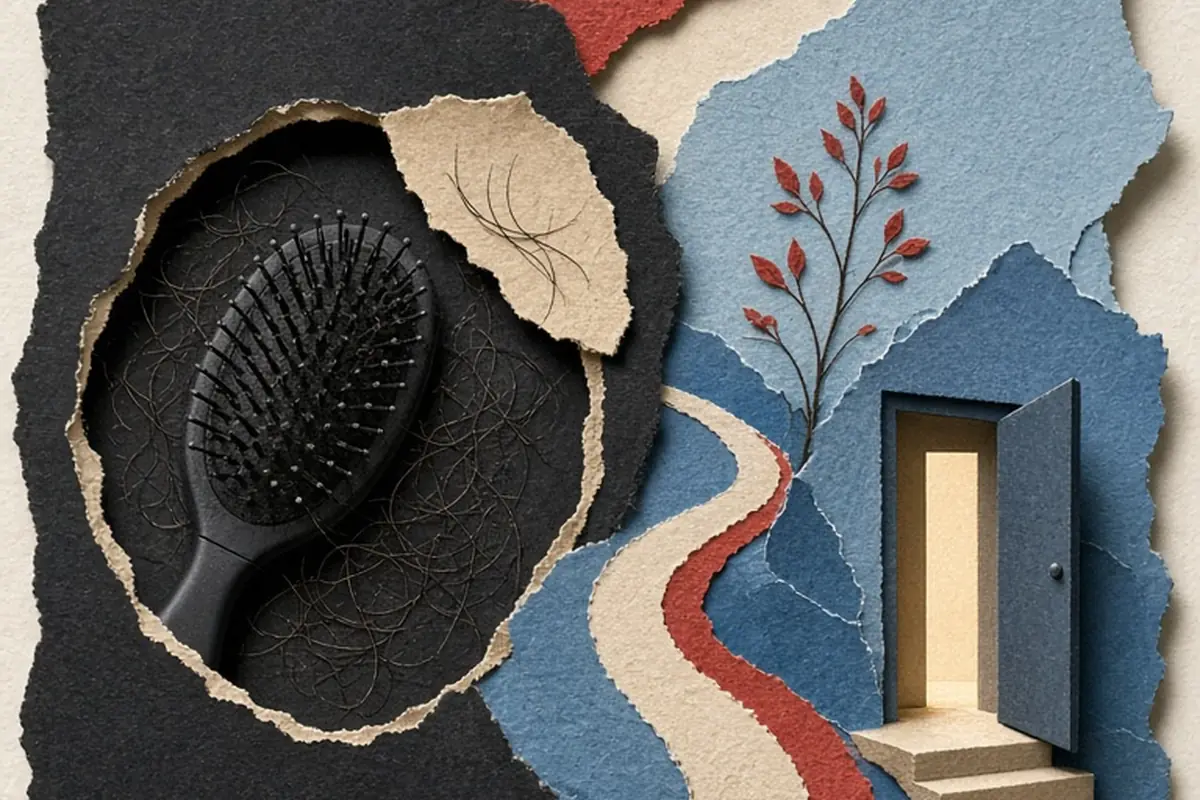
Vaping may indirectly contribute to hair thinning in females, though it is rarely the sole cause. Nicotine acts as a vasoconstrictor, which can temporarily reduce blood circulation and nutrient delivery to hair follicles. Nicotine and aerosol additives also trigger oxidative stress, potentially nudging vulnerable follicles into a premature shedding phase. Addressing lifestyle factors, hormonal shifts, and tapering vape usage can help clarify underlying triggers.
Noticing an unexpected increase in shedding on your hairbrush, pillowcase, or shower drain can feel deeply distressing, especially when you are trying to pinpoint which daily habits might be driving the change.
How Nicotine and Blood Flow Affect Hair Follicles
Hair follicles rely on a continuous, dense network of tiny capillaries to deliver the micronutrients, proteins, and oxygen required for active cell division. Nicotine, whether delivered through traditional tobacco or modern electronic devices, functions as a potent systemic vasoconstrictor. When you inhale vapor containing nicotine, your blood vessels temporarily narrow, which slows microcirculation across peripheral tissues, including the upper layers of your scalp.
When microcirculation is repeatedly restricted throughout the day, the dermal papilla—the regulatory center at the base of each follicle—may receive fewer essential resources. Over time, chronic under-nourishment can shorten the anagen, or active growth, phase of your hair cycle. This shift can cause hair strands to emerge finer and weaker, eventually predisposing them to premature shedding.
Consider a scenario where someone uses a high-strength disposable vape steadily while working at a desk. Because vaping does not require stepping outside or lighting a match, frequent puffing can maintain sustained nicotine levels in the bloodstream for hours on end. The resulting prolonged vascular constriction keeps scalp tissues under intermittent circulatory strain. It is important to note that nicotine constriction alone rarely triggers complete baldness; rather, it creates an unfavorable physiological baseline that leaves hair more susceptible to everyday environmental and physical stressors.
Oxidative Stress, Free Radicals, and Growth Cycles
Beyond direct vascular constriction, the aerosol generated by electronic cigarettes introduces chemical compounds and thermal byproducts that can stimulate systemic oxidative stress. When e-liquids are heated by metal coils, trace metals, volatile organic compounds, and reactive oxygen species can enter the bloodstream. Oxidative stress occurs when the balance between damaging free radicals and protective cellular antioxidants becomes skewed.
Hair follicle cells are among the most metabolically active units in the human body, dividing rapidly to produce the keratin shaft. This high metabolic rate makes them exceptionally vulnerable to oxidative damage. When cellular structures in the scalp experience oxidative strain, the body may respond by signaling actively growing follicles to transition abruptly into the telogen, or resting, phase. A few months after this shift occurs, those resting hairs shed in larger numbers than usual, a physiological condition often categorized as diffuse shedding or telogen effluvium.
For example, an individual who transitioned from smoking occasional cigarettes to frequent pod vaping might notice increased hair fall two to three months later. Because the hair growth cycle exhibits a built-in delay between an internal stress event and visible shedding, people often fail to connect their current hair changes with a habit change made months prior. However, oxidative stress represents an accumulative process, meaning that reducing exposure allows endogenous antioxidant systems to gradually regain balance and support healthier cell turnover.
Distinguishing Vaping from Other Common Female Thinning Causes
While exploring the potential impact of vaping is a logical step, it is critical not to overlook other biological and hormonal mechanisms unique to female physiology. Hair thinning in females is frequently multifactorial, and attributing all hair changes exclusively to an e-cigarette could lead you to miss an underlying medical imbalance that requires clinical attention.
Female pattern hair loss, also known as androgenetic alopecia, presents primarily as gradual widening of the central part line while preserving the frontal hairline, driven by genetic sensitivity to circulating androgens. Conversely, nutritional deficits and endocrine shifts produce widespread, diffuse shedding across the entire scalp. Key contributors frequently observed in women include:
Ferritin and systemic iron deficiency, which directly starves the metabolic engine of follicular matrix cells.
Thyroid dysfunction, including both hypo- and hyperthyroidism, which disrupts full-body metabolic regulation.
Polycystic ovary syndrome (PCOS) or rapid fluctuations in estrogen levels following pregnancy, perimenopause, or stopping oral contraceptive pills.
Severe caloric restriction, low dietary protein intake, or rapid weight loss from restrictive eating patterns.
If you vape but also struggle with heavy menstrual cycles, unexplained fatigue, dry skin, or cold sensitivity, vaping may only be a secondary amplifier rather than the primary driver. Evaluating the full clinical picture with routine laboratory tests ensures that treatable deficiencies receive prompt, targeted care rather than assuming an e-cigarette is the solitary culprit.
The Nicotine-Stress-Sleep Triangle
Many women reach for a vape during moments of high cognitive load, emotional strain, or professional fatigue under the impression that it acts as a calming ritual. In reality, nicotine is a central nervous system stimulant that triggers transient spikes in heart rate, blood pressure, and adrenal output. While the initial inhale temporarily satisfies a dopamine craving, the subsequent dip in serum nicotine triggers mild withdrawal symptoms that the brain interprets as acute stress.
This dynamic creates an artificial loop where perceived relaxation is actually just the temporary relief of nicotine-induced restlessness. Heightened baseline stress sustains elevated circulating cortisol. Cortisol is known to exert inhibitory effects on the synthesis of hyaluronan and proteoglycans within the hair follicle, signaling the growth machinery to enter a protective pause.
Furthermore, vaping late in the evening frequently compromises sleep architecture by reducing slow-wave deep sleep and increasing micro-awakenings. Deep sleep is the primary window during which human growth hormone is secreted and tissue repair occurs across the epidermis. If your body spends its nights managing nicotine withdrawal and elevated heart rates, scalp micro-repair takes a backseat. Breaking this stimulant-stress loop is often one of the most effective non-medical interventions for restoring overall vitality to hair and skin alike.
Practical Daily Habits to Support Scalp and Follicle Recovery
If you suspect vaping is exerting an unwanted toll on your hair density, taking proactive lifestyle steps can establish a nourishing environment for new growth. Scalp recovery does not rely on expensive topical miracles; rather, it centers on consistent daily behaviors that promote unimpeded blood circulation and deliver the structural building blocks of the hair shaft.
Gradually stepping down the nicotine concentration in your e-liquid is a gentle approach to reducing vascular strain without enduring sharp withdrawal symptoms that spike stress levels. Alongside nicotine reduction, supporting your body with nutrient-dense foods ensures that the cells responsible for keratin production have the raw materials they require. Consider integrating these practical daily practices:
Prioritize complete dietary proteins, such as eggs, legumes, fish, poultry, or tofu, aiming for adequate intake at every meal to supply essential amino acids like cysteine and lysine.
Drink ample water throughout the day to support blood volume and offset the mild dehydrating effects associated with propylene glycol in vape vapor.
Practice gentle scalp stimulation through manual finger massages for three to five minutes daily to encourage natural peripheral microcirculation without pulling on delicate roots.
Avoid high-tension hairstyles, such as tightly pulled ponytails, buns, or heavy extensions, which create mechanical traction that compounds physiological shedding.
Be patient with your body as you implement these shifts. Hair shafts grow at an average rate of roughly half an inch per month, meaning visible improvements in density along your part or hairline typically require twelve to twenty-four weeks of sustained healthy habits to become noticeable.
When to Consult a Dermatologist or Primary Care Physician
While lifestyle modifications form a strong foundation, persistent or rapid hair loss warrants a formal professional evaluation. A board-certified dermatologist specializes in hair and scalp disorders and can perform physical assessments—such as a pull test or dermoscopic scalp examination—to pinpoint precisely which type of shedding or thinning is taking place.
Seeking guidance promptly is particularly important if you observe specific warning signs that point toward scarring alopecias or acute autoimmune activity. Schedule an appointment with a healthcare provider if you notice any of the following circumstances:
Shedding that presents in discrete, smooth circular patches across the scalp, eyebrows, or body.
Accompanying scalp sensations such as burning, tenderness, persistent itching, scaling, or visible redness around follicular openings.
Sudden, massive shedding that produces clumps of hair when washing or gently running your hands through your strands.
Hair loss that fails to stabilize after four to six months of reducing vape usage and optimizing nutrition.
Your physician can order comprehensive blood panels covering complete blood counts, ferritin, thyroid stimulating hormone, and relevant reproductive hormones. Arriving at your visit with an open, honest description of your vaping frequency, diet, and recent life stressors allows your doctor to construct an accurate, individualized recovery roadmap.
Frequently asked questions
Will hair grow back after quitting vaping?
If hair loss is linked to nicotine-induced vasoconstriction, stress, or temporary telogen effluvium, hair often regrows once the trigger is removed. Because follicles need time to reset their growth cycle, visible regrowth typically takes between three to six months. However, recovery depends on whether underlying genetic or nutritional factors are also present.
Does nicotine-free vaping cause hair thinning?
Nicotine-free vaping eliminates the primary vasoconstrictor that restricts blood flow to hair follicles, making it less disruptive to circulation. However, inhaling heated flavoring agents and aerosol carriers can still generate mild oxidative stress. While significantly less harmful to the hair cycle than nicotine-based products, completely clean air remains the optimal choice for bodily recovery.
How quickly does vaping affect your hair?
Vaping does not cause immediate hair fall overnight due to the natural timing of follicular biology. When systemic stressors such as oxidative damage or reduced blood circulation trigger a shift in the growth cycle, the affected hairs typically take two to three months to detach and shed. Consequently, shedding you notice today often reflects physiological stresses from several months ago.
Can taking hair vitamins offset the effects of vaping?
Supplements like biotin, vitamin D, or zinc can help correct verified nutritional deficiencies, but they cannot neutralize the direct vascular constriction caused by nicotine. If blood vessels feeding the follicle remain persistently narrowed, ingested nutrients struggle to reach the dermal papilla effectively. A balanced diet combined with tapering nicotine is far more effective than relying on supplements alone.
Your next step
Begin by tracking your daily vaping habits alongside your hair shedding over the next two weeks, and schedule a routine blood panel with your primary care provider to rule out underlying iron or thyroid imbalances while you gradually taper your nicotine intake.