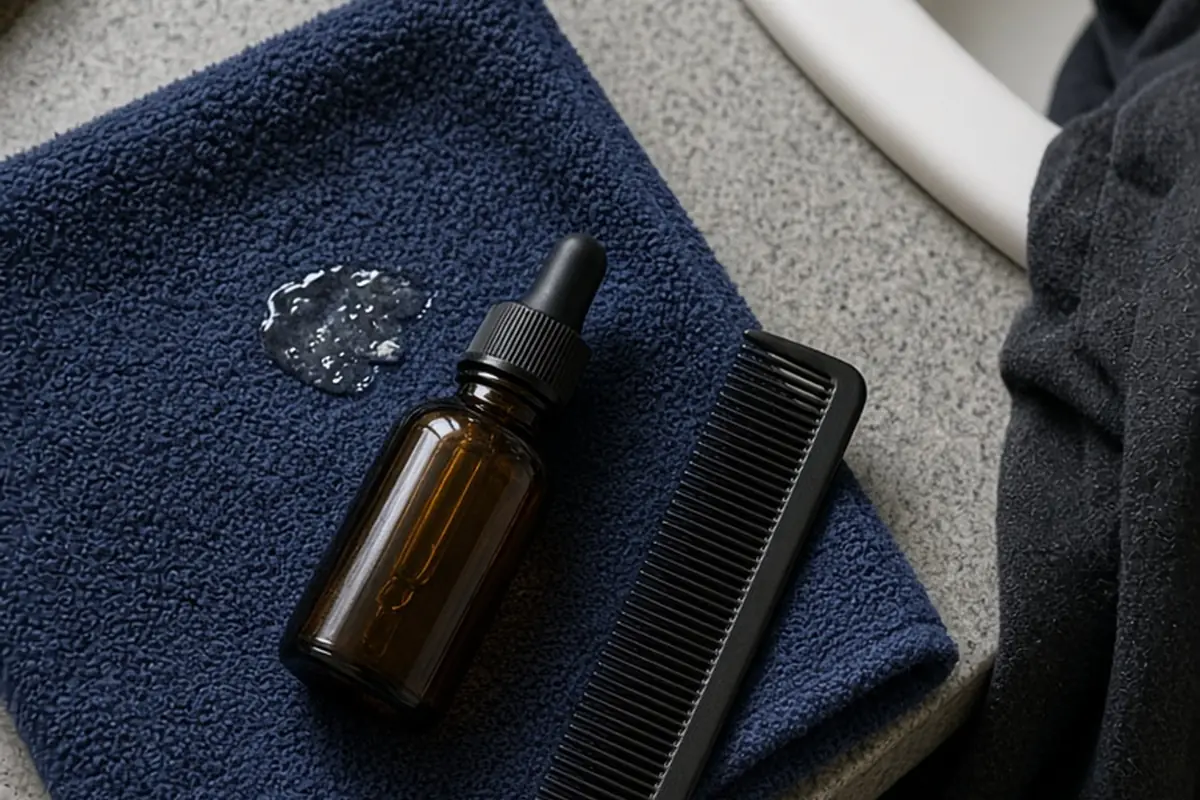
Dry scalp care for curly hair requires delivering targeted moisture directly to the skin at your roots without stripping the hair shaft or disrupting your curl pattern. This balance is achieved by swapping harsh sulfates for gentle, hydrating cleansers, applying water-based humectant serums to cleanly parted roots, keeping heavy styling butters off the skin, and incorporating regular gentle clarification to prevent styling buildup from suffocating the scalp barrier.
Caring for a dry scalp when you have textured hair presents a unique mechanical and cosmetic challenge. Curly hair naturally resists the downward flow of natural sebum from the roots to the ends, leaving the lengths thirsty, while the scalp itself may suffer from dehydration, environmental stress, or product accumulation.
Distinguishing Dry Scalp From Dandruff and Product Buildup
Before changing your routine, you need to identify whether your scalp is genuinely dehydrated, dealing with fungal overgrowth, or clogged with styling residue. A true dry scalp stems from a lack of moisture or impaired barrier function in the skin. The flakes are typically tiny, white, dry, and loose, easily shedding when you move your hair, and they are often accompanied by a sensation of tightness or general itchiness across the entire head.
In contrast, dandruff, or seborrheic dermatitis, is linked to an inflammatory response to Malassezia yeast, which feeds on scalp sebum. Dandruff flakes tend to be larger, oily or waxy, yellowish, and clumped to the base of the hair shaft, frequently accompanied by localized redness and greasy patches. Treating fungal dandruff with rich oils or heavy moisturizers will often worsen the condition by feeding the yeast, whereas treating a simple dry scalp with harsh, drying zinc pyrithione or coal tar cleansers can strip remaining moisture and exacerbate flaking.
Product buildup adds a third layer of confusion for curly hair. Leave-in conditioners, curl creams, gels, and polyquats can accumulate on the scalp over successive non-wash days, drying into powdery or gummy white flakes that resemble dry skin. If the flaking only appears after using specific styling products or concentrates along the hairline where stylers are heavily applied, product congestion is the likely culprit rather than intrinsic skin dehydration.
Selecting Cleansers That Balance Scalp Hygiene and Curl Health
Curly hair thrives on moisture retention, leading many people to rely almost exclusively on co-washing, which involves washing solely with cleansing conditioners. While co-washing preserves the delicate lipid layer along the hair shaft, it rarely provides enough surfactant power to dissolve dead skin cells, sweat, and environmental debris on the scalp. Over time, inadequate scalp cleansing leads to micro-inflammation and chronic flakiness that mimics dryness.
To maintain a healthy scalp environment without compromising curl elasticity, build a rotation between a gentle, sulfate-free low-foaming shampoo and a periodic clarifying cleanser. Look for sulfate-free cleansers that utilize mild, plant-derived surfactants such as decyl glucoside, coco-glucoside, or sodium cocoyl isethionate. These ingredients lift surface debris and excess sebum without stripping the stratum corneum of its essential ceramides and fatty acids.
Clarifying should not be avoided out of fear of dryness; rather, it should be treated as a necessary reset. Using an effective, chelating clarifying shampoo once every three to four weeks removes stubborn styling polymers, mineral deposits from hard water, and cellular debris. Once the scalp surface is genuinely clean, topical hydrators and moisturizers can penetrate the skin barrier effectively instead of resting on top of a barrier of residue.
Targeted Scalp Hydration: Humectants Versus Heavy Occlusives
A common misstep in curly hair care is applying heavy raw butters and thick carrier oils directly to an itchy, dry scalp. Raw shea butter, coconut oil, and thick castor oil are powerful occlusives designed to seal existing moisture into porous hair strands, but they contain minimal water themselves. Applying them to an unhydrated scalp creates a greasy seal over dehydrated skin, which can trap dead epidermal cells, block hair follicles, and create an ideal breeding ground for yeast.
True scalp hydration requires water-soluble humectants that draw moisture into the epidermal layers. Formulations featuring glycerin, sodium hyaluronate, aloe vera leaf juice, panthenol (provitamin B5), and urea hydrate the skin without leaving heavy residues. Lightweight serums or liquid tonics containing these humectants should be applied directly to a clean, damp scalp to replenish water content within the skin cells.
After applying humectants, you can support the skin barrier with a minuscule amount of lightweight, biocompatible oil if your skin feels tight. Jojoba oil, squalane, and meadowfoam seed oil closely mimic the molecular structure of human sebum. A few drops warmed between the fingertips and pressed gently onto the scalp provide barrier support without clogging follicles or weighing down root volume.
Application Techniques for Dense Curls and Coils
Dense curl patterns create a physical barrier that prevents topical treatments from reaching the scalp surface if applied casually over the canopy of the hair. Smearing a soothing treatment over the top layer of curls merely coats the hair fiber, which can cause frizz and ruin definition while leaving the underlying skin untouched.
To deliver treatments accurately, divide damp or dry hair into four to six manageable quadrants using non-snagging sectioning clips. Use an applicator bottle equipped with an extended nozzle or a glass dropper to trace narrow parts along the scalp within each quadrant. This mechanical delivery deposits the soothing liquid directly onto the skin without requiring aggressive parting that disrupts natural curl clumps.
Once the product is placed along the parts, use the soft pads of your fingertips—never your fingernails—to massage the treatment in gentle, circular motions. Fingernails can create micro-tears in sensitized, flaky skin, inviting secondary irritation. A gentle three-to-five-minute finger massage increases localized blood flow, distributes the humectant evenly across the scalp, and helps loosen adhering surface flakes before rinsing or styling.
Managing Environmental and Heat Stressors on the Scalp
External elements significantly influence scalp barrier function. Showering in hot water is one of the most common contributors to chronic dry scalp. High water temperatures melt the protective lipids of both the hair cuticle and the scalp skin, leading to rapid moisture loss, increased transepidermal water evaporation, and a tight, uncomfortable feeling once the hair dries. Transitioning to lukewarm water for washing and conditioning helps preserve the natural lipid barrier.
The minerals present in hard water—chiefly calcium and magnesium—can also precipitate onto the scalp, binding with cleansers to form an insoluble film. This mineral coating disrupts the natural acidic pH of the scalp, irritating the skin and worsening dryness. Installing an effective shower filter or utilizing a chelating rinse containing mild citric acid or phytic acid can counteract mineral accumulation.
Drying habits require equal attention. When diffusing curly hair, concentrated heat directed continuously at the roots can parch the scalp skin long before the dense curl lengths are dry. To mitigate heat-induced dehydration, keep your blow dryer on a medium or low heat setting with moderate airflow. Practice hover diffusing by moving the attachment continuously around the head at a slight distance rather than pressing the diffuser prongs directly into the scalp for extended periods.
Structuring a Balanced Weekly Scalp and Curl Regimen
An effective routine balances the differing needs of the scalp and the hair shaft throughout the week. On wash days, begin with a brief pre-shampoo treatment if your scalp feels particularly tight or flaky. A lightweight oil applied ten minutes before washing can protect sensitized skin from the drying effects of water exposure during cleansing.
During cleansing and conditioning, apply your sulfate-free shampoo directly to the scalp, working the lather through the roots while allowing the descending suds to cleanse the mid-lengths and ends. When applying your rinse-out conditioner or deep conditioning mask, reverse this focus: concentrate the rich emollients from the mid-shaft down to the tips, keeping heavy conditioning agents at least an inch away from the roots to prevent pore congestion.
On non-wash days, address mid-week dryness without wetting the entire head or causing frizz. Use a targeted scalp mist formulated with aloe, rosewater, or diluted glycerin directly onto parted sections, patting it into the skin with clean fingertips. This calms mid-week tightness, maintains skin hydration, and avoids the need for heavy styling product reapplication that could trigger product buildup.
Recognizing When to Consult a Dermatologist or Trichologist
While mild dryness often resolves with routine adjustments, persistent or escalating scalp symptoms warrant a professional evaluation by a board-certified dermatologist or certified trichologist. Skin conditions like scalp psoriasis, atopic eczema, contact dermatitis, and severe seborrheic dermatitis can present with symptoms that mimic simple dry scalp but require medical intervention.
Warning signs that require clinical evaluation include persistent erythema (redness), localized swelling, intense burning sensations, bleeding caused by cracking or scratching, and silvery, thick plaques that extend beyond the hairline onto the forehead, ears, or neck. Attempting to self-treat these conditions with over-the-counter curl products can delay proper medical care and risk long-term damage to hair follicles.
When attending a clinical consultation, bring a comprehensive list of all hair products you use, including leave-in conditioners, styling gels, scalp oils, and edge controls. Note how often you wash your hair, your typical drying methods, and when the irritation first appeared. A specialist can perform a dermoscopic examination of your scalp, accurately diagnose underlying conditions, and prescribe targeted topical anti-inflammatory solutions or antifungals that fit safely alongside your curl care routine.
Frequently asked questions
Can I put coconut oil on my scalp to cure dryness?
While coconut oil is an effective conditioning sealant for hair strands, it does not add water to dehydrated skin and can clog scalp pores or feed Malassezia yeast. If your scalp is dry, use a water-based humectant serum containing glycerin or hyaluronic acid first, and reserve small amounts of lightweight oils like jojoba for sealing.
How often should I wash curly hair if my scalp is dry and itchy?
Most people with dry scalp and curly hair benefit from washing every 4 to 7 days with a gentle, sulfate-free cleanser. Leaving the scalp unwashed for longer periods allows sweat, shed skin cells, and product residue to accumulate, which often increases itching and flakiness.
Will clarifying my curls make my dry scalp worse?
Clarifying with a gentle, chelating shampoo once every 3 to 4 weeks actually helps a dry scalp by removing product buildup and mineral deposits that block moisture absorption. Follow your clarifying wash immediately with a targeted hydrating scalp serum and a rich conditioner applied exclusively to the hair lengths.
Your next step
Check your current hair products for heavy styling butters or drying alcohols, and switch your next wash day to a gentle sulfate-free cleanser followed by a lightweight, water-based scalp hydrator applied directly to your roots.