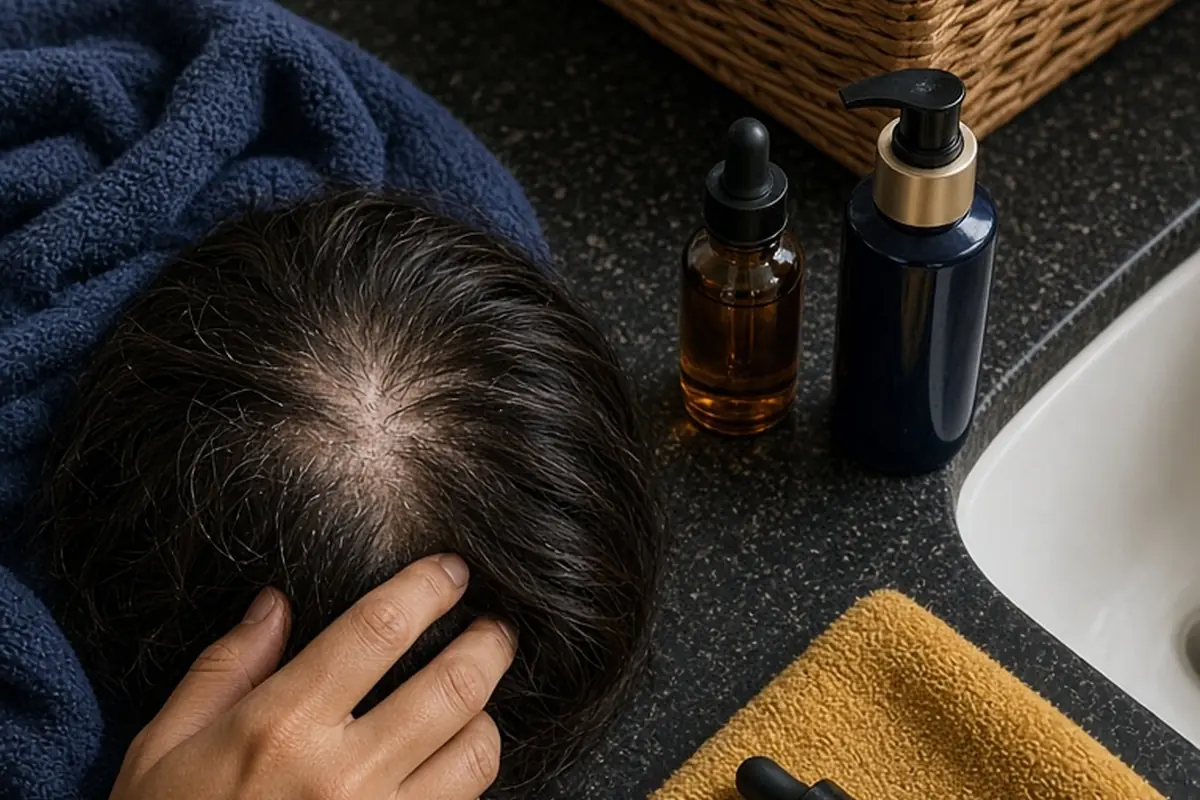
Dry scalp care for women over 40 focuses on restoring the skin barrier, replenishing lost moisture, and reducing irritation caused by shifting hormone levels. Effective care involves switching to sulfate-free, hydrating cleansers, applying targeted scalp serums containing hyaluronic acid or ceramides, reducing hot water exposure, and spacing out wash days to protect natural protective oils without causing product buildup.
Entering your forties brings noticeable shifts in skin elasticity, oil production, and moisture retention across the body, and your scalp is no exception. Understanding how to adapt your hair and scalp routine ensures long-term comfort, healthier hair follicles, and consistent barrier protection.
Distinguishing True Dry Scalp from Dandruff and Product Buildup
Before changing your routine, you need to confirm whether your scalp lacks moisture or is reacting to an overgrowth of yeast or cosmetic residue. A dry scalp is essentially dehydrated skin that sheds small, powdery, white flakes accompanied by a feeling of tightness or mild itching. This condition mirrors dry skin elsewhere on the body and often worsens in cold, dry weather or after using harsh clarifying detergents.
In contrast, dandruff or seborrheic dermatitis typically produces larger, greasy, yellowish flakes that cling to the hair shafts and scalp surface, often accompanied by noticeable redness and persistent inflammation. Treating dandruff requires antifungal ingredients like zinc pyrithione or ketoconazole, whereas applying those strong treatments to a dry scalp will strip natural lipids further and worsen irritation. Inspecting the texture of the flakes and feeling the moisture level of your roots helps you select hydrating solutions rather than drying medicated washes.
How Hormonal Changes in Women Over 40 Affect Scalp Hydration
During perimenopause and menopause, declining estrogen levels directly influence sebum production. Estrogen supports skin thickness, moisture retention, and collagen synthesis, while sebum acts as a natural protective seal across the scalp surface. When estrogen declines, the sebaceous glands produce less natural oil, leaving the scalp vulnerable to moisture loss, external irritants, and environmental dryness.
At the same time, the cellular turnover rate of the scalp slows down, meaning the outer barrier takes longer to repair itself after heat styling, chemical coloring, or mechanical stress. This hormonal shift often coincides with thinning hair strands, which exposes more of the scalp surface to dry indoor air and ultraviolet light. Recognizing that your scalp's baseline oil level has changed helps you treat it with the same gentle, barrier-repair focus you would apply to aging facial skin.
Choosing Gentle Cleansers and Hydrating Shampoo Formulas
Standard clarifying shampoos and high-foaming formulas often rely on strong surfactants that strip away delicate lipid layers. For women over forty experiencing dryness, switching to a sulfate-free shampoo formulated with gentle amphoteric or non-ionic cleansing agents provides a balanced cleanse without tight after-wash sensations. Look for ingredients such as glycerin, aloe vera juice, panthenol, and oat extract, which draw moisture into the stratum corneum during washing.
Avoid shampoos with high concentrations of synthetic fragrance, denatured alcohol, or aggressive clarifying agents unless you are removing heavy swimming pool chlorine or mineral deposits. If you color your hair regularly to cover gray, select moisture-preserving color-safe formulas that prioritize lipid replenishment. When lathering, focus the cleanser strictly on the roots and scalp surface, allowing the running suds to cleanse the lengths without subjecting dry ends to friction.
Applying Leave-In Scalp Serums, Humectants, and Lightweight Oils
Hydrating the scalp requires water-based humectants followed by light occlusives to lock that moisture in place. Water-soluble scalp serums featuring hyaluronic acid, niacinamide, and amino acids can be applied directly to damp or towel-dried skin after washing. These ingredients penetrate the outer layers of the scalp to bind water molecules, easing tight sensations without making fine or thinning hair look greasy.
For areas of stubborn flaking or rough patches, lightweight plant-derived oils such as squalane, jojoba oil, or argan oil can be massaged into the scalp in tiny amounts as a pre-shampoo treatment or an overnight barrier seal. Because squalane and jojoba closely mimic natural human sebum, they nourish the lipid barrier without suffocating hair follicles or encouraging fungal overgrowth. Always patch test any new oil or botanical extract on a small area of the neck or inner arm before full scalp application.
Modifying Water Temperature, Washing Frequency, and Styling Habits
Daily lifestyle habits heavily influence the integrity of your scalp barrier. Washing your hair with hot water dissolves protective surface lipids rapidly, leaving the scalp parched and prone to reactive redness. Transitioning to lukewarm water preserves the moisture barrier and helps hair cuticles lie flat, which improves both scalp comfort and overall hair shine.
Reassessing your wash frequency is equally valuable. Many women find that washing two to three times per week is sufficient once natural oil production decreases with age. If you exercise frequently, try rinsing with plain water or applying a gentle hydrating tonic rather than performing a full shampoo wash every day. Additionally, keep blow dryer heat on medium settings and hold the nozzle at least six inches away from the scalp to avoid direct thermal dehydration.
Managing Chemical Processing and Gray Coverage Without Scalp Irritation
Covering gray hair with permanent dyes, root touch-up kits, or bleach can significantly irritate an already dry scalp. Alkaline chemicals used in permanent coloring raise the cuticle and alter the natural acidic pH of the scalp skin, leading to post-color itching, burning, or flaking. To minimize this, ask your stylist to apply a barrier cream or a scalp-protecting serum before applying permanent dye formulas.
Consider switching to ammonia-free or demi-permanent formulas if your gray blending goals allow for gentler processing. Extending the time between full root applications by using temporary mineral powders or tinted touch-up sprays gives the scalp barrier adequate time to rebuild between chemical exposures. Always ensure hair color is rinsed thoroughly with lukewarm water, followed by an acidic post-color rinse or conditioning treatment to restore the scalp's normal pH balance.
When to Consult a Medical Professional for Persistent Symptoms
While simple routine adjustments resolve standard dry scalp, persistent symptoms warrant an evaluation by a board-certified dermatologist or trichologist. Conditions such as scalp psoriasis, contact dermatitis from hair cosmetics, and autoimmune scalp disorders can mimic ordinary dryness in their early stages but require targeted medical management rather than over-the-counter moisturizers.
Seek a medical evaluation if you notice thick, silvery plaques, bleeding cracks, localized hair shedding, severe tenderness, or swelling. A dermatologist can perform a close examination or skin scraping to rule out fungal infections and prescribe targeted topical anti-inflammatory solutions or barrier-restoration treatments tailored to your exact scalp condition and medical history.
Illustrative Scenarios
Adjusting Daily Washing and Heat Styling
A 46-year-old marketing manager noticed increasing scalp tightness and fine white flakes along her part line each afternoon. Assuming she had dandruff, she began using a strong zinc shampoo daily and dried her roots with maximum blow dryer heat to add volume. The flaking became noticeably worse, leaving her scalp red and sensitive to the touch. Realizing her scalp was parched rather than oily, she replaced the clarifying formula with a gentle, sulfate-free hydrating shampoo, lowered her wash frequency to three times a week, and applied a hyaluronic acid scalp serum to damp roots.
Key point: Treating moisture-depleted skin with harsh clarifying cleansers worsens barrier damage, whereas gentle hydration restores balance.
Protecting the Scalp Barrier During Gray Coverage
A 52-year-old teacher experienced intense burning and dry peeling for days following her monthly permanent root-touchup appointments. She initially assumed the discomfort was an unavoidable part of gray maintenance. After discussing her symptoms with her stylist, she switched to an ammonia-free color formula and had a protective scalp oil applied before chemical application. She also used a squalane oil treatment at home two nights prior to appointments.
Key point: Pre-treating the scalp and selecting milder chemical coloring alternatives prevents moisture barrier breakdown.
Frequently asked questions
Can drinking more water fix a dry scalp on its own?
While systemic hydration supports general skin health, drinking water alone cannot repair a damaged external scalp barrier. Topical lipid replenishment, mild cleansers, and humectants are necessary to protect the skin from surface moisture evaporation.
How often should women over 40 wash their hair if their scalp is dry?
Most women with dry scalps benefit from washing two to three times per week. This cadence allows natural sebum to lubricate the skin barrier without letting sweat, dead skin cells, or cosmetic residue accumulate.
Will applying natural oils make fine hair look flat and limp?
Heavy vegetable oils can weigh down fine hair, but lightweight options like squalane or hemisqualane absorb quickly without heavy buildup. Applying serums directly to the skin with a dropper rather than spreading oil over hair strands keeps roots lifted.
Is dry scalp linked to menopausal hair thinning?
Both conditions often stem from declining estrogen levels, which reduce natural oil production and alter hair follicle cycling. Hydrating the scalp creates a healthier environment for remaining follicles, though specific hair thinning treatments may also be required.
Your next step
Examine your current shampoo bottle today, check for harsh sulfate cleansers, and switch to a gentle, hydrating formula paired with lukewarm wash water.