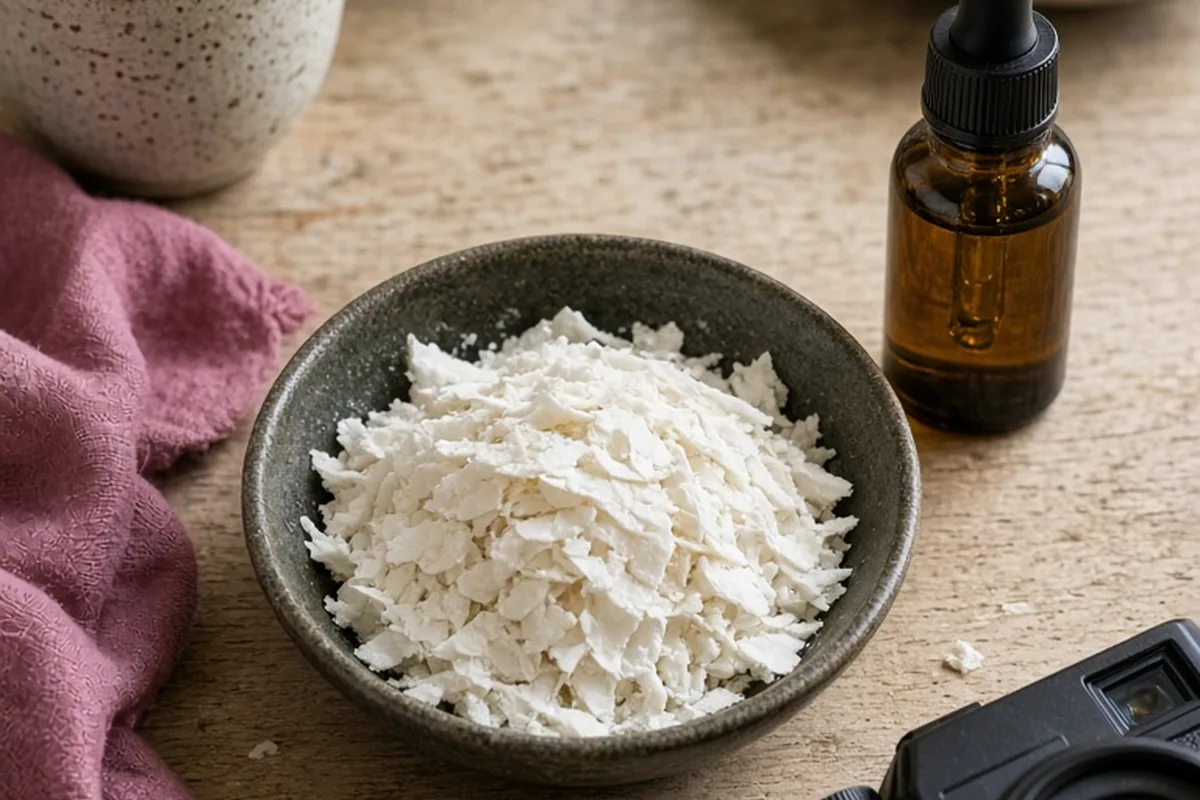
Effective dry scalp care product ingredients focus on restoring moisture and protecting the epidermal barrier. Look for humectants like glycerin, hyaluronic acid, and panthenol to bind water to the skin; soothing agents like aloe vera, colloidal oatmeal, and allantoin to calm irritation; and lightweight lipids such as squalane, ceramides, and jojoba oil to seal in hydration. Avoid harsh sulfates, high-proof denatured alcohols, and heavy synthetic fragrances that strip essential natural oils.
A persistent dry scalp often presents as tightness, mild itching, and fine, powdery flakes that shed easily onto clothing. Treating this discomfort requires treating the scalp with the same ingredient-focused care typically reserved for facial skincare routines.
Humectants That Draw Hydration into Parched Scalp Skin
Humectants are water-loving molecules that attract moisture from the surrounding environment and the deeper dermis into the outermost layer of the scalp, the stratum corneum. In dry scalp formulations, humectants are the primary mechanism for rehydrating tight, dehydrated tissue. Glycerin remains one of the most reliable humectants due to its low molecular weight, which allows it to penetrate superficial epidermal layers easily without leaving a greasy or sticky residue on hair strands. Formulations incorporating glycerin help maintain moisture balance even between wash cycles, making it a foundational ingredient in both rinse-off shampoos and leave-on scalp tonics.
Hyaluronic acid and sodium hyaluronate offer advanced moisture binding. While high molecular weight hyaluronic acid forms a breathable protective film across the scalp surface to prevent trans-epidermal water loss, smaller multi-molecular weights penetrate deeper to hydrate dehydrated skin cells. Panthenol, also known as pro-vitamin B5, functions both as a potent humectant and an effective conditioning agent. Once absorbed, panthenol converts into pantothenic acid, which improves moisture retention, increases elasticity, and helps smooth rough, peeling patches on the scalp surface.
Low-concentration lactic acid and urea represent another tier of humectant action. Urea acts as a natural moisturizing factor (NMF) component, softening hardened keratin around hair follicles while simultaneously binding water within the skin matrix. In mild concentrations, lactic acid provides gentle hydration while loosening dry, clinging skin cells, allowing subsequent conditioning agents to reach the scalp surface more effectively.
Barrier-Repairing Lipids and Lightweight Oils for Moisture Retention
Hydrating the scalp with water-binding humectants is only half of the solution; without protective lipids, that moisture evaporates rapidly into the air. Barrier-repairing lipids and botanical oils mimic the natural sebum produced by sebaceous glands, forming a flexible sealant over the epidermis. Ceramides are lipid molecules naturally found within the skin barrier, holding epidermal cells tightly together. Scalp treatments fortified with ceramide blends help patch compromised lipid layers caused by hot water, frequent blow-drying, or cold weather, directly addressing chronic dryness.
Squalane, derived from plant sources like olives or sugarcane, is an exceptional emollient for hair-bearing areas. Because squalane is a hydrogenated, highly stable version of squalene (a natural component of human sebum), it absorbs quickly without leaving a heavy film or suffocating the hair follicle. It replenishes moisture, smooths rough scalp flaking, and softens coarse roots without weighing down fine or thinning hair textures.
Jojoba oil is technically a liquid wax ester with a molecular profile remarkably similar to human sebum. When applied to a dry scalp, jojoba oil conditions the skin surface, regulates natural lipid balance, and prevents moisture loss without encouraging buildup. Other beneficial botanical oils include argan oil, rich in oleic and linoleic fatty acids, and meadowfoam seed oil, recognized for its oxidative stability and moisture-locking capabilities. Conversely, heavy, highly saturated fats such as unrefined coconut oil or thick shea butter should be used sparingly on the scalp, as they can sometimes accumulate near the follicle base and resist clean rinsing.
Anti-Inflammatory and Soothing Actives to Relieve Scalp Itch
A dry scalp is frequently an irritated scalp. When the moisture barrier breaks down, micro-cracks form in the stratum corneum, leaving nerve endings exposed to environmental irritants and friction. Incorporating dedicated soothing ingredients helps calm active redness, reduce the urge to scratch, and provide immediate comfort while the skin barrier regenerates. Aloe vera leaf juice is widely utilized as a soothing base in scalp serums due to its high concentration of polysaccharides, vitamins, and minerals that provide an immediate cooling, anti-inflammatory effect.
Colloidal oatmeal and oat extract (Avena sativa) contain avenanthramides, unique antioxidant compounds known for calming pruritus (itching) and reducing cutaneous inflammation. Formulations that include colloidal oatmeal deposit a microscopic protective veil over the scalp, buffering raw areas against water friction during washing. Allantoin, an active compound found naturally in comfrey roots, accelerates natural cell desquamation while soothing irritated skin, making it particularly useful for scalps experiencing tight stinging sensations.
Centella asiatica, commonly referred to as cica or gotu kola, along with its isolated active compound madecassoside, offers therapeutic benefits for compromised scalp tissue. It supports collagen synthesis and calms localized irritation caused by chemical treatments, dyes, or harsh weather exposure. Bisabolol, derived from chamomile, provides another layer of soothing relief by reducing the cellular release of inflammatory mediators without creating medicinal odors or residue.
Gentle Surfactants and Chemical Exfoliants for Flake Management
Managing scalp flakes requires distinguishing between harsh physical stripping and controlled, gentle cleansing. Traditional clarifying shampoos frequently rely on aggressive surfactants like sodium lauryl sulfate (SLS) or sodium laureth sulfate (SLES), which remove dirt by dissolving the scalp's protective lipid barrier. For a dry scalp, look for sulfate-free, amphoteric, or non-ionic cleansers such as cocamidopropyl betaine, sodium cocoyl isethionate, decyl glucoside, or lauryl glucoside. These cleansing agents lift excess debris, product residue, and loose skin while leaving essential barrier lipids intact.
When dry flakes accumulate, physical scrubs containing walnut shells, large salt crystals, or coarse sugar grains can cause micro-tears across delicate scalp tissue, exacerbating inflammation and dehydration. Gentle chemical exfoliation offers a safer alternative for smoothing rough texture and removing surface buildup. Salicylic acid, a lipid-soluble beta hydroxy acid (BHA), penetrates sebum within follicles to dissolve the cohesive bonds holding dead skin cells together, allowing them to rinse away without friction.
For sensitive scalps that react poorly to standard hydroxy acids, polyhydroxy acids (PHAs) such as gluconolactone or lactobionic acid provide an ultra-mild exfoliating mechanism. PHAs have larger molecular structures than alpha or beta hydroxy acids, meaning they penetrate more slowly and act exclusively on the very surface of the skin. Additionally, PHAs possess natural humectant properties, allowing them to gently clear flaking while concurrently attracting moisture into the newly exposed skin layer.
Distinguishing Dry Scalp Active Ingredients from Dandruff Treatments
Selecting the correct active ingredients depends heavily on diagnosing whether the issue is true scalp dryness or seborrheic dermatitis (dandruff). While both conditions produce flaking, their root causes and ingredient requirements are entirely distinct. Dry scalp results from insufficient hydration, environmental dryness, or lipid depletion, producing small, white, dry flakes accompanied by a sensation of overall skin tightness. In contrast, dandruff is driven by an overgrowth of Malassezia yeast feeding on excess sebum, producing larger, yellowish, greasy flakes that adhere to the scalp and hair shafts.
Treating a true dry scalp with traditional anti-dandruff ingredients—such as ketoconazole, selenium sulfide, or zinc pyrithione—often worsens the problem. These targeted antimicrobial and antifungal actives are formulated to reduce scalp yeast and cut through heavy oil production, meaning their drying side effects can strip an already dehydrated scalp of its remaining lipid reserves. If your scalp lacks natural oil, using an antifungal clarifying wash can lead to increased peeling, irritation, and rebound tightness.
If you suspect a mixed condition—where mild fungal activity occurs alongside underlying barrier dryness—seek balanced formulations that pair antifungal agents with substantial hydrating buffers. For pure dry scalp conditions, skip strong medicinal washes entirely in favor of barrier-restoring cleansers, hydrating peptide leave-ins, and emollient pre-wash oils designed to nourish the skin matrix.
Formulation Additives and Harsh Ingredients to Avoid
Evaluating a product's ingredient deck requires equal attention to what is omitted. Certain common cosmetic additives routinely undermine scalp hydration, even when marketed alongside beneficial botanical extracts. High concentrations of simple, short-chain drying alcohols—such as alcohol denat, SD alcohol 40, isopropyl alcohol, and ethanol—are often added to hair tonics and sprays to ensure fast evaporation. However, these volatile alcohols dissolve natural surface lipids, accelerating trans-epidermal water loss and leaving the scalp prone to chronic dehydration.
Synthetic fragrances and high concentrations of volatile essential oils represent another frequent cause of scalp irritation. While ingredients like peppermint oil, tea tree oil, and eucalyptus oil provide a tingling sensation that consumers often associate with cleanliness, they can act as contact sensitizers on a compromised moisture barrier. If your scalp is already tight, inflamed, or shedding dry flakes, concentrated essential oils can trigger contact dermatitis and intensify itchiness.
Silicones present a nuanced trade-off. Water-soluble silicones (such as dimethicone copolyol or PEG-modified dimethicones) rinse cleanly, but non-water-soluble silicones (such as high-viscosity dimethicone or amodimethicone) can build up on the scalp if not thoroughly washed out with clarifying agents. Over time, this buildup can prevent topical humectants and serums from penetrating the stratum corneum, creating a barrier that locks external moisture out while sealing dead cells to the scalp surface.
Structuring a Hydrating Scalp Routine with Target Ingredients
To maximize the benefits of dry scalp ingredients, products must be applied in a logical sequence that supports absorption without weighing down your hairstyle. The routine typically starts with an optional pre-shampoo oil treatment applied 15 to 30 minutes before washing. Applying a lipid-rich oil containing squalane, argan oil, or jojoba oil directly to dry sections of the scalp softens hardened flakes and shields the skin against the drying effects of warm water and shampoo surfactants.
During cleansing, use a mild, sulfate-free shampoo packed with humectants like glycerin or panthenol. Focus the shampoo application directly on the scalp roots rather than rubbing it down the lengths of the hair. Use lukewarm water rather than hot water, as elevated temperatures melt away protective skin ceramides. Rinse thoroughly to ensure no surfactant residue remains lodged against the base of the hair follicles.
After washing and gently towel-drying, apply a water-based leave-in scalp serum or tonic containing hyaluronic acid, aloe vera, and soothing peptides while the skin is still damp. Damp skin allows humectants to bind residual surface moisture effectively. Massage the serum gently with your fingertips rather than nails, avoiding vigorous friction. For individuals with extreme dryness, finishing with a microscopic drop of squalane over problematic dry spots locks in the serum without interfering with natural hair volume.
Frequently asked questions
Can I use facial hyaluronic acid or squalane on my dry scalp?
Yes, water-based facial hyaluronic acid serums and pure plant-derived squalane oils can be safely used on the scalp. Ensure the product is free from heavy pore-clogging silicones, pore-filling thickeners, or strong exfoliating acids before applying it to your roots.
How often should I wash my hair if I have a dry scalp?
Most individuals with a dry scalp benefit from washing their hair two to three times per week using a gentle, sulfate-free cleanser. Washing too frequently can strip natural lipids, while waiting too long can allow dead skin cells and environmental dust to accumulate.
How quickly will my scalp improve after switching to hydrating ingredients?
Symptomatic relief from tightness and itching often occurs within one to two applications of humectant and soothing tonics. However, full barrier repair and significant reduction in flaking typically require three to four weeks of consistent use.
Are natural oils alone enough to fix a dry scalp?
Oils alone are generally insufficient because they only provide lipids (emollients) to seal the skin rather than water (hydration). For lasting improvement, combine oils with water-attracting humectants like glycerin or hyaluronic acid to address both water and lipid deficits.
Your next step
Inspect your current hair care ingredient labels today, set aside products containing sulfates or drying alcohols, and incorporate a leave-in serum featuring glycerin or hyaluronic acid after your next wash.